Common HVAC Problems & Homeowner Troubleshooting Steps
HVAC Troubleshooting TX | Homeowner HVAC Tips
Scroll down to discover more

Before You Call for Service: A Homeowner’s HVAC Troubleshooting Guide
That sinking feeling when you adjust the thermostat and nothing happens is all too familiar, especially when the Texas heat is bearing down. Your mind might jump straight to costly repairs or a full system failure, but often, the solution is much simpler. Many common HVAC issues have straightforward fixes you can handle yourself in just a few minutes.
Before you pick up the phone, a few simple diagnostic steps can save you time, money, and frustration. Think of this as your pre-call checklist. We’ll walk you through the most common culprits, from simple setting errors to minor blockages, helping you identify what’s wrong and empowering you to fix it safely.
Step 1: Start with the Brain—The Thermostat
Your thermostat is the command center for your entire HVAC system. An incorrect setting or a simple power issue here can make it seem like your entire system is down when it's actually just waiting for the right instructions.
What to Check:
- Confirm Your Settings: Is the system set to "Cool" or "Heat" as desired? It’s a simple mistake, but it happens. Also, check that the fan is set to "Auto," not "On." If the fan is set to "On," it will run continuously even when the air isn't being conditioned.
- Verify the Temperature: Make sure the set temperature is at least 5 degrees below (for cooling) or above (for heating) the current room temperature. Your system won't turn on if it has already reached the target temperature.
- Look for a Blank Screen: If the thermostat display is blank, it's likely a power issue. For digital thermostats, the first step is to replace the batteries. This simple fix resolves a surprising number of service calls.
If you’ve checked these settings and the system still isn't responding, it’s a good indicator that the problem lies elsewhere.
Step 2: Investigate the Power Supply
Like any major appliance, your HVAC system needs a dedicated and uninterrupted power supply. A tripped breaker or a forgotten switch is another frequent cause of a system that refuses to start. Research shows that electrical failures are one of the most common reasons for air conditioning breakdowns, but sometimes the fix is as easy as flipping a switch.
What to Check:
- Your Home’s Breaker Panel: Locate your main electrical panel. Find the breaker labeled for your "Air Conditioner," "Furnace," or "HVAC." If the switch is in the middle or "Off" position, flip it completely off and then back on again.
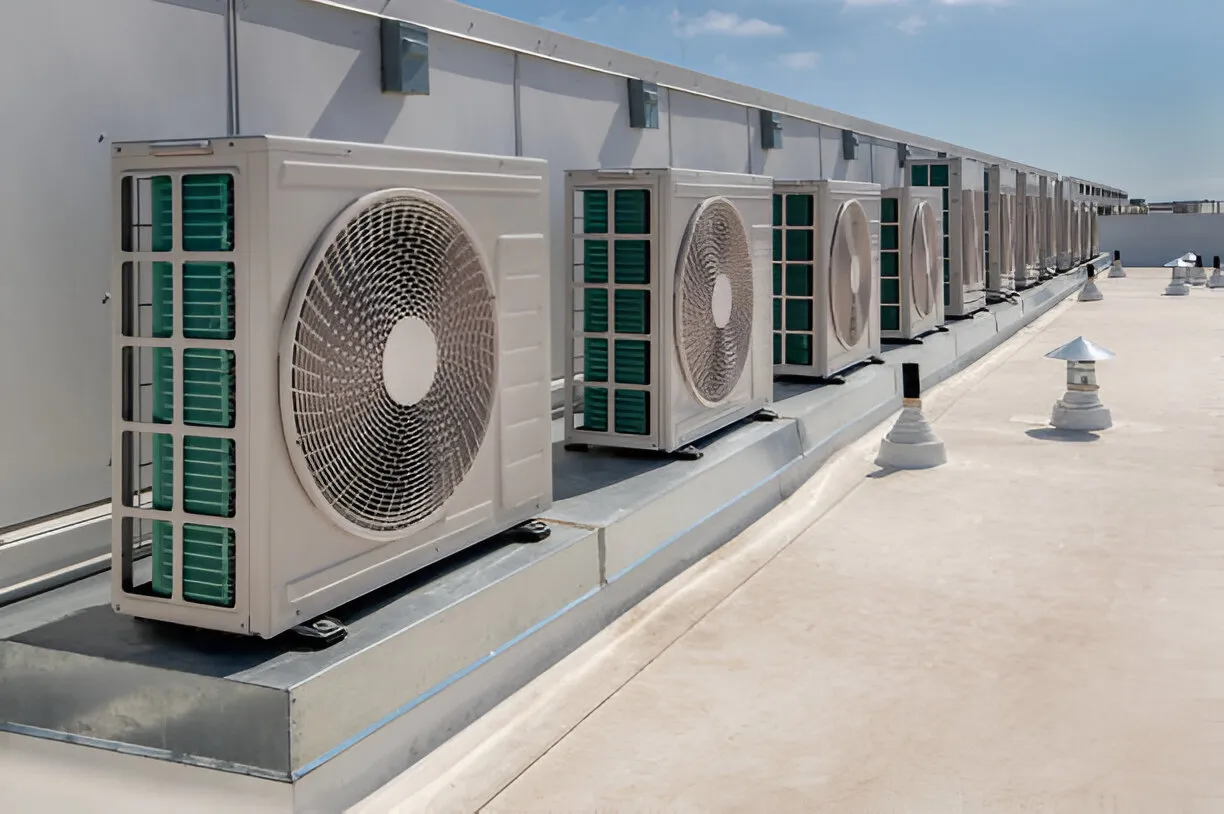
- The Outdoor Unit Disconnect: Your outdoor condenser unit has a separate power shut-off switch, often located in a metal box on the wall nearby. Ensure this switch is in the "On" position. Sometimes these can be accidentally turned off during yard work or by a guest.
If the breaker trips again immediately after you reset it, do not try to reset it again. This indicates a more serious electrical issue that requires professional HVAC repair.
Step 3: Clear the Airway for Better Flow
Your HVAC system is like a breathing organism—it needs clear pathways to pull in air, condition it, and circulate it back through your home. When this airflow is restricted, the system has to work much harder, leading to poor performance, increased energy bills, and even total shutdowns.
A severely clogged filter can reduce your system's efficiency by up to 15%, forcing it to run longer and harder to cool your home. Over time, this strain can lead to premature component failure.
What to Check:
- The Air Filter: This is the number one cause of airflow problems. A dirty filter suffocates your system. Pull out your filter and hold it up to a light. If you can't see light through it, it's time for a replacement.
- Vents and Registers: Walk through your home and check that all supply and return air vents are open and not blocked by furniture, rugs, or drapes. Even a single blocked return vent can disrupt the pressure balance in the entire system.
- The Outdoor Unit: Your outdoor condenser needs space to breathe, too. Clear away any leaves, grass clippings, or debris that may have collected around the unit. A good rule of thumb is to maintain at least two feet of clear space on all sides.
Keeping your system's airways clear not only improves comfort but is also a critical part of maintaining healthy air inside your home. For a more comprehensive approach, consider our indoor air quality solutions.
Step 4: Listen to What Your System is Telling You
Unusual noises are your HVAC system's way of telling you something is wrong. Paying attention to these sounds can help you diagnose a problem before it becomes a major breakdown.
Common Noises and What They Mean:
- Banging or Clanking: A loud banging noise often indicates a loose or broken part, such as a fan blade or connecting rod. If you hear this, turn your system off immediately to prevent further damage and call a professional.
- Hissing or Whistling: This can signal a refrigerant leak or, in some cases, a leak in your ductwork. Refrigerant is a hazardous substance and should only be handled by a certified technician.
- Buzzing or Humming: A persistent buzzing noise frequently points to an electrical issue, such as a failing capacitor or a problem with the contactor. While the system may still run, this is a clear warning sign that a component is about to fail.
Preventing these issues is always better than reacting to them. Regular HVAC maintenance can catch failing parts and potential electrical problems before they lead to a noisy, disruptive breakdown.
Knowing When to Call a Professional
This guide is designed to help you solve the small stuff. But it’s just as important to recognize when a problem is beyond a simple DIY fix. Your safety and your system's integrity are the top priorities.
Call a trusted HVAC professional if you experience any of the following:
- You smell gas or a strong burning odor.
- A circuit breaker trips repeatedly.
- You hear loud, persistent mechanical noises like grinding or squealing.
- Your system is blowing warm air and you see ice forming on the refrigerant lines.
- You've gone through all the troubleshooting steps above and the system still won’t work.
For older units, persistent issues can also be a sign that it’s time to consider an HVAC replacement to improve reliability and efficiency.
Frequently Asked Questions
Why did my AC suddenly stop working?
The most common reasons are a tripped circuit breaker, incorrect thermostat settings, or a dead thermostat battery. Always check these three things first.
How often should I really change my air filter?
For standard 1-inch filters, we recommend checking them monthly and replacing them at least every 90 days. If you have pets or live in a dusty area, you may need to change it every 30-45 days.
Is it safe for me to hose down my outdoor AC unit?
Yes, it's generally safe and a good way to clean off dirt and debris. First, turn off the power to the unit via the breaker and the disconnect switch. Then, use a gentle spray from your garden hose to rinse the fins from the inside out. Avoid using a high-pressure nozzle, which can bend the delicate fins.
Can a dirty filter really cause my system to freeze up?
Absolutely. A clogged filter restricts airflow over the evaporator coil. When warm indoor air can't reach the coil, the condensation on it can freeze solid, turning your unit into a block of ice and preventing it from cooling at all.
Your Partner in Home Comfort
Understanding how your HVAC system works is the first step toward keeping it running smoothly. By running through this checklist, you can resolve many common issues yourself and make a more informed decision when you do need professional help.
If you’ve tried these steps and your system still isn’t performing as it should, Stat Air Care is here to help. We provide full consultations to walk you through your options, ensuring you get the right solution for your Montgomery home. Reach out to our team today for reliable service you can trust.
Hear What Our Satisfied Clients Have To Say

Ready to Transform Your Home?
Get inspired to enhance your living space with practical tips and expert advice. Ready to transform your home into a comfortable, stylish, and efficient haven? Start your journey today.