
Heat Pump Inspection in Willis, TX
Heat pump inspection in Willis, TX ensures safe operation and efficient performance. Schedule a pre-season or pre-purchase inspection today.
Scroll down to discover more

Heat Pump Inspection in Willis, TX
A professional heat pump inspection in Willis, TX by Stat Air Care Air Conditioning & Heating ensures your system is safe, efficient, and ready for the region’s hot, humid summers and the occasional cool snap. Homeowners in Montgomery County face higher cooling loads, persistent humidity, and seasonal pollen and storm debris that accelerate wear on heat pumps. A thorough inspection finds problems early, restores performance, prevents emergency breakdowns, and gives a clear pathway for repairs or replacement when needed.
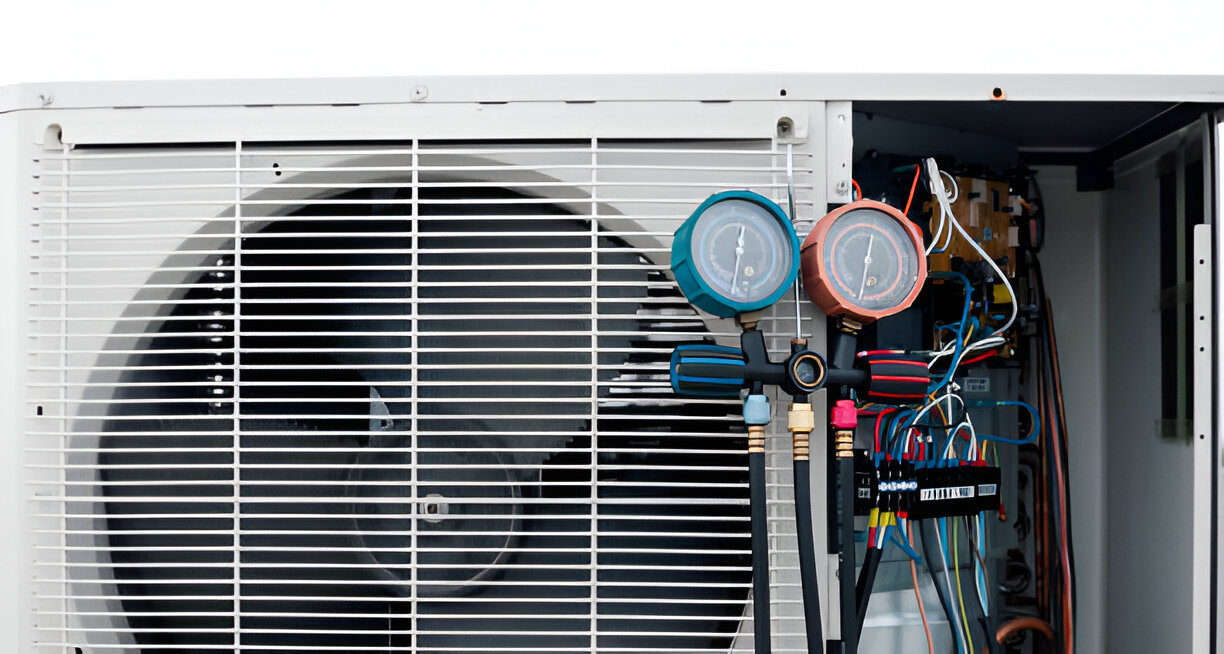
Why a heat pump inspection matters in Willis, TX
Willis homes endure long cooling seasons where a marginal issue quickly becomes costly. High humidity causes coils to foul and encourages corrosion, while frequent storms and tree pollen can clog filters and outdoor coils. An inspection verifies refrigerant charge, airflow, electrical safety, and thermostat accuracy so your system runs reliably when you need it most. Pre-season inspections before spring and pre-purchase inspections for buyers protect comfort, indoor air quality, and energy bills.
Common heat pump issues in Willis, TX
- Reduced cooling capacity due to low refrigerant or dirty coils.
- Short cycling caused by thermostat or compressor issues.
- Icing or improper defrosting in cooler weather.
- High energy use from failing components or poor airflow.
- Duct leaks and poor insulation leading to uneven temperatures.
- Electrical problems: failed capacitors, contactors, or loose wiring after storms.
Comprehensive inspection checklist
A complete heat pump inspection in Willis, TX includes both visual checks and targeted diagnostic testing to deliver a full picture of system condition.
Visual inspection
- Outdoor unit: cabinet integrity, coil cleanliness, debris, fan blades, and base level.
- Indoor coil and cabinet: dirt, corrosion, and condensate drainage.
- Ductwork: visible leaks, disconnected joints, insulation gaps, and attic access.
- Air filters: size, condition, and correct installation.
- Thermostat: placement, wiring, and user settings.
- Safety devices: float switches, secondary drainage, and combustion-clearances if present.
Electrical tests
- Voltage and amp draw for compressor and fan motors to detect overload.
- Capacitor testing for correct microfarad values.
- Contactor and relay function and contact wear.
- Wiring integrity and proper grounding.
Refrigerant pressure checks
- Low-side and high-side pressure measurement under steady-state conditions.
- Superheat and subcooling calculations to verify correct refrigerant charge.
- Leak detection using electronic detectors or UV dye if needed.
Airflow and duct assessment
- Temperature split (supply vs return) to evaluate system performance.
- Static pressure measurement to quantify duct restrictions.
- Blower motor operation and CFM estimates.
- Visual duct inspection for leaks, blockages, or poor insulation.
Thermostat operation
- Calibration and cycle testing to confirm accurate temperature control.
- Verification of proper communication with the heat pump and staging.
Diagnostic testing explained (in plain terms)
Diagnostic tests translate symptoms into actionable fixes. Measuring amp draw tells us if motors are straining. Refrigerant pressure and superheat/subcooling reveal whether the system has the right refrigerant amount or a leak. Static pressure and temperature split expose airflow problems that often cause premature compressor failure. Electrical continuity and capacitor tests identify parts about to fail before they cause an emergency shutdown.
Written condition report with recommended options
After testing, an inspection delivers a clear, written condition report with:
- Summary of findings and safety concerns.
- Prioritized recommended repairs (urgent, recommended, optional).
- Estimated lifespan and efficiency concerns based on age and performance.
- Replacement options with explanations: when repair is sensible and when replacement is likely more cost-effective.
- Notes on expected energy impacts and indoor air quality improvements for each option.
Replacement considerations typically include repeated refrigerant leaks, compressor failure, severe coil corrosion, or when the unit is past its typical 10–15 year effective life and operating at markedly lower efficiency.
Pre-season and pre-purchase inspections
Pre-season inspection (best done in late winter or early spring)
- Ensures the heat pump is ready before the heaviest cooling demand.
- Identifies deferred maintenance items like dirty coils, weak filters, or failing capacitors.
- Helps avoid peak-season emergency failures and higher cooling costs.
Pre-purchase inspection
- Verifies system capacity and age versus home sizing.
- Checks maintenance history evidence, signs of refrigerant leaks, and compressor health.
- Documents any immediate repairs needed for safe, reliable operation and informs negotiation decisions for buyers.
Typical repairs and solutions
- Refrigerant recharge and leak repair: fixes low charge and restores cooling.
- Coil cleaning and condenser maintenance: improves heat transfer and efficiency.
- Capacitor or contactor replacement: resolves hard starts and intermittent operation.
- Blower motor or fan repairs: corrects airflow issues and uneven comfort.
- Duct sealing and insulation: reduces losses and improves temperature balance.
- Thermostat replacement or recalibration: optimizes control and efficiency.
When multiple major components are failing or efficiency is very low, replacement may provide better long-term value and lower monthly energy costs.
Maintenance tips to extend life and performance
- Replace or clean filters every 1–3 months during high-use seasons.
- Keep outdoor unit clear of debris, foliage, and mower clippings.
- Maintain attic and crawlspace insulation to reduce duct heat gain.
- Schedule annual inspections before peak cooling season.
- Use programmable thermostats or smart controls to reduce unnecessary cycling.
Benefits of timely inspections
A professional heat pump inspection in Willis, TX improves comfort, reduces energy bills, extends equipment life, and lowers the risk of costly emergency repairs. Inspections provide clarity—documented findings and prioritized recommendations—so homeowners can make informed decisions about repairs or replacement based on safety, performance, and long-term cost.
This type of inspection is the most reliable way to ensure your heat pump meets the demands of Willis’ climate and keeps your home comfortable year-round.
Maintenance Plan You Can Rely On
Basic Care
Perfect for newer systems or budget-conscious homeowners wanting essential protection.
$149/year

Annual comprehensive system inspection
Filter replacement (standard filters included)
15% discount on repairs
Priority scheduling within 48 hours
Premium Protection
Ideal for homes with systems 5+ years old or with moderate usage patterns.
$249/year

Bi-annual system inspections (spring & fall)
Filter replacement (premium filters included)
25% discount on all repairs
Priority scheduling within 24 hours
Free diagnostic fees ($89 value)
Elite Coverage
Best for older systems, luxury homes, or properties with critical climate control needs.
$349/year
Quarterly system inspections
All filters and minor parts included
30% discount on major repairs
Same-day emergency service
Extended 2-year warranty on repairs
Annual system efficiency optimization
Basic Care
Perfect for newer systems or budget-conscious homeowners wanting essential protection.
$149/year
Annual comprehensive system inspection
Filter replacement (standard filters included)
15% discount on repairs
Priority scheduling within 48 hours
Premium Protection
Ideal for homes with systems 5+ years old or with moderate usage patterns.
$249/year
Bi-annual system inspections (spring & fall)
Filter replacement (premium filters included)
25% discount on all repairs
Priority scheduling within 24 hours
Free diagnostic fees ($89 value)
Elite Coverage
Best for older systems, luxury homes, or properties with critical climate control needs.
$349/year
Quarterly system inspections
All filters and minor parts included
30% discount on major repairs
Same-day emergency service
Extended 2-year warranty on repairs
Annual system efficiency optimization
Hear What Our Satisfied Clients Have To Say