
Heating Inspection in Montgomery, TX
Heating inspection in Montgomery, TX ensures safety, efficiency, and reliability. Learn more about what’s inspected and schedule your service today.
Scroll down to discover more

A thorough heating inspection from Stat Air Care Air Conditioning & Heating protects your family, your property, and your heating system performance. In Montgomery, TX, where hot humid summers are punctuated by occasional cold snaps, a professional heating inspection helps ensure safe combustion, efficient operation, and reliable warmth when temperatures drop.
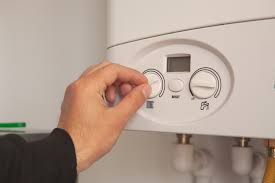
Why a heating inspection matters in Montgomery, TX
Montgomery sits in a humid subtropical zone with long cooling seasons and relatively short but sometimes severe winter events. That climate pattern creates specific challenges:
- Systems may sit unused for months, increasing the chance of mechanical or ignition failures when first needed.
- High humidity and pollen can accelerate corrosion, clog filters, and reduce airflow.
- Occasional cold snaps make system reliability critical; undetected issues can lead to unsafe operation or sudden loss of heat.A pre-season or pre-purchase heating inspection addresses these risks by verifying safety and performance before you rely on the system.
What a comprehensive heating inspection includes
A full inspection evaluates safety, efficiency, and reliability. Typical components covered:
- Safety and performance assessment of furnace, heat pump, or packaged system
- Carbon monoxide testing at flue, vents, and living spaces
- Combustion testing (gas appliances) to verify correct fuel-to-air ratio and safe exhaust
- Visual inspection of heat exchanger, burners, ignition system, flue, and venting
- Electrical checks: control voltages, capacitors, and wiring integrity
- System diagnostics: thermostat calibration, airflow measurements, and temperature rise test
- Filter, duct, and blower inspection for obstructions and proper airflow
- Written inspection report with prioritized recommendations and estimated urgency
- Optional pre-purchase or pre-season checklist tailored for Realtors and homebuyers
Common heating issues found in Montgomery homes
Technicians regularly encounter the following problems, particularly in this region:
- Dirty filters and restricted airflow from pollen, dust, and humidity-related debris
- Cracked or corroded heat exchangers from age or condensation issues
- Incomplete combustion or blocked flue vents causing elevated carbon monoxide risk
- Failing ignition components or pilot assemblies after long idle periods
- Faulty thermostats or incorrect thermostat settings leading to inefficient cycles
- Low system efficiency from dirty coils, worn belts, or failing motors
- Duct leaks that reduce comfort and increase energy use
Step-by-step inspection process
A professional inspection follows a consistent diagnostic process so issues are identified quickly and accurately:
- Visual walkaround and system history review to note obvious damage, age, and prior repairs
- Power and safety checks: ensure safe working conditions, disconnect power where required
- Fuel and combustion setup: inspect gas supply, burners, and ignition sequence
- Combustion and carbon monoxide testing using calibrated instruments
- Airflow and temperature measurements: static pressure, return and supply temps, and temperature rise across the heat exchanger
- Component testing: motors, capacitors, relays, limit switches, and controls
- Venting and flue evaluation for blockages, corrosion, and proper draft
- Final system run test through multiple cycles to confirm stable operation
Written reports and recommendations
After diagnostics, you receive a clear written inspection report that includes:
- Summary of findings and measured values (CO levels, temperature rise, static pressure)
- Safety-critical issues highlighted and classified by urgency
- Recommended repairs or maintenance actions, explained in plain language
- Replacement considerations if the system is near end-of-life or repairs are not cost-effective
- Estimated timeline for corrective steps to prevent further damage or safety exposure
What happens if issues are found
Safe operation is the priority. Depending on findings:
- Immediate safety hazards such as high carbon monoxide or severe heat exchanger damage will be flagged as non-operational until repaired
- Technicians may perform on-site repairs for common items like filter replacement, ignition cleaning, or minor electrical fixes if parts and time allow
- For complex issues, the report will recommend specific repairs, parts replacement, or full system replacement with reasons and trade-offs
- For pre-purchase inspections, documented findings help buyers and sellers understand risk, negotiate repairs, and plan accurate budgeting
Benefits of timely heating inspections in Montgomery
- Reduced safety risk: early detection of combustion problems and carbon monoxide leaks
- Improved comfort and reliability during cold snaps
- Better efficiency and lower energy use through corrected airflow and tuned settings
- Longer equipment life with preventative maintenance and early repairs
- Clear documentation for home sales and insurance or warranty claims
Practical maintenance tips after an inspection
- Replace or clean filters every 1 to 3 months during seasons of use, more often with pets or allergies
- Keep intake and exhaust vents clear of debris, vegetation, or nests
- Schedule annual inspections and tune-ups before the heating season or prior to closing on a home purchase
- Seal and insulate ducts in unconditioned spaces to reduce heat loss
- Monitor carbon monoxide detectors and replace batteries regularly
FAQs
Q: How long does a typical heating inspection take?
A: Most inspections take 45 minutes to 90 minutes depending on system complexity and whether combustion and CO testing are required.
Q: Should I schedule a heating inspection every year?
A: Yes. Annual inspections are recommended to catch wear and safety issues before winter and to keep warranties valid.
Q: Will the inspector perform repairs during the inspection?
A: Inspectors prioritize safety and may make minor adjustments or repairs on site, but larger repairs generally require separate scheduling and parts.
Q: Is carbon monoxide testing always part of the inspection?
A: Carbon monoxide and combustion testing are standard parts of a comprehensive heating inspection for gas or oil systems.
Q: What does a failing heat exchanger mean?
A: A failing heat exchanger can leak combustion gases into the home. It is a serious safety issue that usually requires replacement of the heat exchanger or the entire unit.
Q: Do pre-purchase inspections differ from regular inspections?
A: Pre-purchase inspections include the same safety and performance checks but often emphasize documentation, photos, and recommendations useful for buyers and sellers.
Maintenance Plan You Can Rely On
Basic Care
Perfect for newer systems or budget-conscious homeowners wanting essential protection.
$149/year

Annual comprehensive system inspection
Filter replacement (standard filters included)
15% discount on repairs
Priority scheduling within 48 hours
Premium Protection
Ideal for homes with systems 5+ years old or with moderate usage patterns.
$249/year

Bi-annual system inspections (spring & fall)
Filter replacement (premium filters included)
25% discount on all repairs
Priority scheduling within 24 hours
Free diagnostic fees ($89 value)
Elite Coverage
Best for older systems, luxury homes, or properties with critical climate control needs.
$349/year
Quarterly system inspections
All filters and minor parts included
30% discount on major repairs
Same-day emergency service
Extended 2-year warranty on repairs
Annual system efficiency optimization
Basic Care
Perfect for newer systems or budget-conscious homeowners wanting essential protection.
$149/year
Annual comprehensive system inspection
Filter replacement (standard filters included)
15% discount on repairs
Priority scheduling within 48 hours
Premium Protection
Ideal for homes with systems 5+ years old or with moderate usage patterns.
$249/year
Bi-annual system inspections (spring & fall)
Filter replacement (premium filters included)
25% discount on all repairs
Priority scheduling within 24 hours
Free diagnostic fees ($89 value)
Elite Coverage
Best for older systems, luxury homes, or properties with critical climate control needs.
$349/year
Quarterly system inspections
All filters and minor parts included
30% discount on major repairs
Same-day emergency service
Extended 2-year warranty on repairs
Annual system efficiency optimization
Hear What Our Satisfied Clients Have To Say