
Heating Repair in Montgomery, TX
Heating repair Montgomery, TX: fast diagnostics, emergency options, and trusted warranty support. Schedule service now for reliable, efficient warmth.
Scroll down to discover more

Keeping your home warm, safe, and efficient during Montgomery winters requires fast, accurate heating repair from Stat Air Care Air Conditioning & Heating. Even though winters in Montgomery, TX are generally mild, sudden cold fronts and high humidity can strain furnaces, heat pumps, and gas systems.
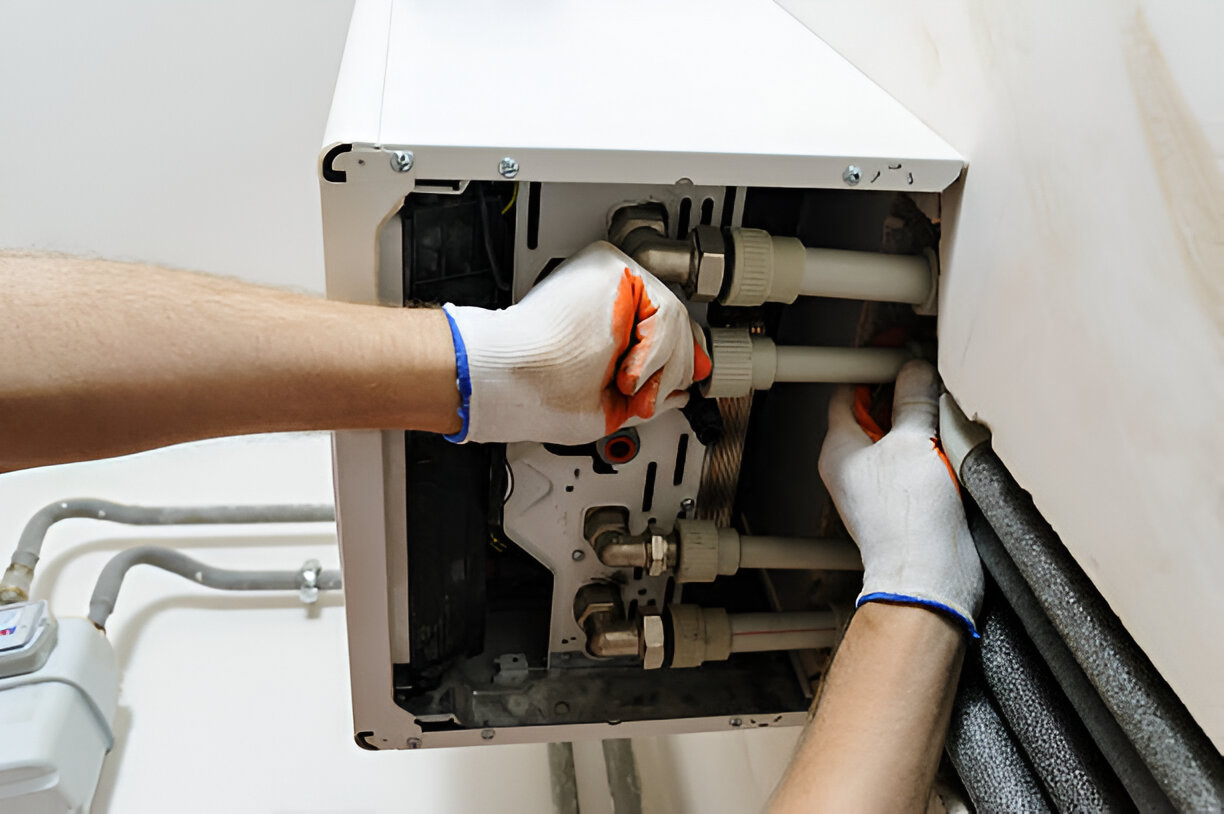
Why timely heating repair matters in Montgomery, TX
In Montgomery, extended use of heating is less frequent than in northern states, which means neglect or seasonal startup problems are common. When temperatures drop, a malfunctioning ignition, pilot, or blower motor becomes a pressing comfort and safety issue. Prompt repair prevents secondary damage (frozen pipes in rare freezes, soot buildup, or compressor lockouts in heat pumps) and restores efficient operation so your system does not run unnecessarily long or produce uneven heat.
Common heating problems we diagnose and fix
Most heating failures fall into predictable categories. In Montgomery homes you’ll commonly see:
- Ignition and pilot issues
- Failed electronic ignitors, dirty pilot assemblies, or intermittent pilot lights on gas furnaces and boilers.
- Burner and combustion problems
- Dirty burners, poor flame patterns, or incomplete combustion causing inefficiency or safety faults.
- Thermostat faults
- Sensor drift, wiring failures, or calibration errors causing short cycles or unresponsive systems.
- Blower motor and airflow issues
- Worn bearings, capacitor failures, clogged filters, or blocked ductwork leading to reduced heat delivery.
- Heat pump-specific failures
- Refrigerant leaks, compressor problems, reversing valve faults, or defrost cycle failures.
- Safety and electrical faults
- Faulty limit switches, control board failures, or tripped safety sensors that shut the system down.
- Intermittent or no-heat conditions after seasonal startup
- Common after long idle periods when components seize or sensors become contaminated.
Diagnostic procedures: what to expect
A systematic diagnostic approach ensures we find the root cause, not just a symptom. Typical steps include:
Visual inspection
- Check filters, vents, burners, wiring, and visible components for wear or blockage.
System startup and cycle observation
- Monitor ignition sequence, flame quality, blower operation, and thermostat response.
Electrical testing
- Measure voltages, currents, capacitor condition, and control signals to identify failing motors or control boards.
Fuel and combustion analysis
- Inspect gas pressure and burner combustion where applicable to confirm safe operation.
Refrigerant and pressure checks (for heat pumps)
- Verify charge, pressure, and compressor performance.
Diagnostic codes and controller analysis
- Retrieve and interpret fault codes from modern control systems.
Findings are explained in plain language with recommended repair methods and expected timelines, so homeowners in Montgomery can make informed decisions.
Emergency response and rapid-repair options
Montgomery is subject to sudden cold snaps that can make rapid response essential. Emergency and rapid-repair options typically include:
- Priority dispatch for no-heat situations or safety-related faults
- On-site temporary fixes to restore heat immediately (for example, bypassing failed components safely until full repair)
- Mobile technicians equipped with common replacement parts for same-day repairs
- Safe temporary heating recommendations while waiting for parts that require ordered replacements
These options are structured to limit downtime and prevent damage from prolonged exposure to cold or humidity.
Parts replacement and testing protocols
When replacement is required, we follow strict quality and verification steps:
- Use of OEM-equivalent or manufacturer-recommended components for longevity and compatibility
- Pre-installation inspection of replacement parts to confirm fit and function
- Professional installation adhering to safety and code requirements
- Calibration and system tuning after replacement to restore efficiency and comfort
- Multi-point testing including:
- Startup and shutdown sequences
- Temperature differential checks across the coil or heat exchanger
- Pressure and leak tests for refrigerant systems
- Combustion analysis for gas-fired equipment
- Post-repair run-in period observation to ensure stable operation
Documentation of replaced parts and the tests performed is provided for homeowner records and warranty purposes.
Typical repair timelines and cost factors
Repair timelines in Montgomery vary by issue complexity and parts availability. Typical timelines include:
- Minor repairs (filters, thermostat recalibration, capacitor swaps): same day to 24 hours
- Component replacements (ignitors, blower motors, control boards): 24 to 72 hours depending on parts in stock
- Major repairs or heat pump compressor issues: several days to a week if specialty parts need to be ordered
Factors that influence repair time and cost (without providing price estimates) include system age, accessibility of the unit, availability of OEM parts, whether the issue is intermittent, and whether additional safety or code upgrades are required. Because Montgomery homes can have diverse equipment (older furnaces, newer heat pumps), accurate diagnostics prevent unnecessary expense and repeat visits.
Warranty support and service assurances
Warranty support is an important protection after repair. Typical elements include:
- Verification of part manufacturer warranty terms
- Labor warranty on installed components as specified by the service provider
- Documentation of diagnostics, parts used, and test results to support warranty claims
- Guidance on routine maintenance intervals to preserve warranties and system life
Having clear warranty documentation ensures Montgomery homeowners can rely on ongoing support if the same issue recurs.
Maintenance tips to reduce future repairs in Montgomery
Preventive care reduces emergency calls and extends equipment life. Focus on:
- Seasonal startup inspection before the heating season
- Replacing or cleaning filters every 1 to 3 months during use
- Keeping outdoor heat pump units clear of debris and vegetation year-round
- Checking thermostat batteries and settings after power events
- Scheduling annual professional tune-ups that include combustion and safety checks for gas systems
Because Montgomery’s climate alternates between warm and cool periods, consider a biannual HVAC check to cover both heating and cooling transitions.
Frequently Asked Questions
Q: How quickly can a technician diagnose a no-heat situation in Montgomery, TX?
A: Most diagnoses can be completed within the first hour on site; complex or intermittent issues may require further testing or monitoring over several visits.
Q: Do heat pumps need different repair procedures than furnaces in Montgomery?
A: Yes. Heat pumps require refrigerant and compressor diagnostics as well as defrost cycle checks, while furnaces focus on ignition, burners, and combustion safety testing.
Q: What should I check before calling for heating repair?
A: Verify thermostat settings and batteries, inspect and change filters if dirty, ensure the power switch and breaker are on, and clear any vents or outdoor unit obstructions.
Q: Are emergency repairs available during cold snaps?
A: Emergency and rapid-repair options are available to restore heat quickly and to implement safe temporary solutions until permanent repairs or parts installation can be completed.
Q: Will replacement parts be covered by warranty?
A: Manufacturer parts typically include warranties; labor warranties depend on the service provider. Proper documentation and testing are used to support any warranty claim.
Maintenance Plan You Can Rely On
Basic Care
Perfect for newer systems or budget-conscious homeowners wanting essential protection.
$149/year

Annual comprehensive system inspection
Filter replacement (standard filters included)
15% discount on repairs
Priority scheduling within 48 hours
Premium Protection
Ideal for homes with systems 5+ years old or with moderate usage patterns.
$249/year

Bi-annual system inspections (spring & fall)
Filter replacement (premium filters included)
25% discount on all repairs
Priority scheduling within 24 hours
Free diagnostic fees ($89 value)
Elite Coverage
Best for older systems, luxury homes, or properties with critical climate control needs.
$349/year
Quarterly system inspections
All filters and minor parts included
30% discount on major repairs
Same-day emergency service
Extended 2-year warranty on repairs
Annual system efficiency optimization
Basic Care
Perfect for newer systems or budget-conscious homeowners wanting essential protection.
$149/year
Annual comprehensive system inspection
Filter replacement (standard filters included)
15% discount on repairs
Priority scheduling within 48 hours
Premium Protection
Ideal for homes with systems 5+ years old or with moderate usage patterns.
$249/year
Bi-annual system inspections (spring & fall)
Filter replacement (premium filters included)
25% discount on all repairs
Priority scheduling within 24 hours
Free diagnostic fees ($89 value)
Elite Coverage
Best for older systems, luxury homes, or properties with critical climate control needs.
$349/year
Quarterly system inspections
All filters and minor parts included
30% discount on major repairs
Same-day emergency service
Extended 2-year warranty on repairs
Annual system efficiency optimization
Hear What Our Satisfied Clients Have To Say