
Heating Installation in Montgomery, TX
Discover why proper heating installation is crucial in Montgomery, TX. Learn about system types, assessments, and safety checks to ensure efficiency.
Scroll down to discover more

Heating installation in Montgomery, TX with Stat Air Care Air Conditioning & Heating means choosing and installing a system that keeps your home or business comfortable during cool nights and occasional cold snaps while working efficiently through the hot, humid months. Montgomery-area homes face particular challenges like older ductwork, variable insulation levels, and a climate that favors heat pumps or high-efficiency hybrid systems.
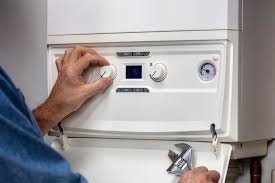
Why a proper heating installation matters in Montgomery, TX
- Local winters are usually mild but can include freezing nights that reveal undersized or inefficient systems.
- Humidity and seasonal temperature swings affect how a system performs; proper sizing and controls reduce short cycling and humidity problems.
- Older homes in Montgomery may have leaky ducts or inadequate insulation that change heating load needs and system selection.
Common reasons homeowners and businesses replace or install heating systems
- Replacing an old furnace or heat pump that is unreliable or costly to operate
- New construction or additions requiring a new heating solution
- Wanting better energy efficiency and lower utility bills
- Addressing uneven heating, poor airflow, or high indoor humidity
- Upgrading for safety concerns like cracked heat exchangers or gas leaks
Initial consultation and load/size assessments
A thorough initial consultation is the foundation of a reliable heating installation in Montgomery, TX. Key steps include:
- Reviewing the property type, square footage, number of occupants, and typical occupancy patterns.
- Inspecting insulation levels, window types, attic and crawlspace conditions, and existing ductwork.
- Performing a Manual J load calculation to determine exact heating and cooling loads.
- Using Manual S for proper equipment selection and Manual D for duct design or modifications when needed.
A professional load assessment prevents oversizing or undersizing. Oversized systems cycle on and off, causing discomfort and higher energy bills. Undersized systems struggle to maintain set temperatures during cold spells.
Choosing the right system for your home or business
Common system types and why they may be right for Montgomery properties:
- Air-source heat pumps - Efficient for most Montgomery homes because they provide both heating and cooling. Modern inverter-driven heat pumps maintain steady temperatures and handle mild winters well.
- Hybrid / dual-fuel systems - Combine a heat pump with a gas furnace for improved winter performance during rare cold extremes.
- Gas furnaces - Good where natural gas is present and preferred, especially for buildings needing higher heat output.
- Ductless mini-splits - Ideal for additions, homes without ducts, or zoned comfort solutions in mixed-use commercial spaces.
- Packaged units - Useful for small commercial properties or homes without attic/utility space.
Focus on efficiency ratings that matter: SEER and HSPF for heat pumps, and AFUE for furnaces. Variable-speed blowers and two-stage compressors improve comfort and lower operating costs.
Energy-efficient model recommendations for Montgomery, TX
- Select systems with ENERGY STAR-level performance and modern inverter technology for reliable efficiency in humid climates.
- Look for higher HSPF and SEER numbers if selecting a heat pump to maximize savings year-round.
- Consider variable-speed and modulating equipment to reduce temperature swings and control humidity.
- Account for long-term operating costs, not just upfront equipment price.
Installation steps and safety checks
A professional installation typically follows these steps:
- Pre-installation walkthrough and site prep.
- Disconnect and remove old equipment; dispose of refrigerant and materials per code.
- Modify or replace ductwork as needed and install necessary structural supports.
- Set and secure the new unit, make refrigerant line and electrical connections, and install condensate drainage.
- Gas connections and venting for fossil-fuel systems, including combustion safety setup.
- Install or configure smart/programmable thermostat and zoning controls.
- Perform safety checks: refrigerant leak test, pressure and combustion testing, carbon monoxide check for gas systems, and electrical inspections.
Safety checks ensure the system meets local code and performs reliably, protecting occupants from hazards like gas leaks or carbon monoxide.
Typical timelines and post-install performance testing
- Simple residential replacements: most can be completed in one business day (4 to 8 hours).
- New installations that require ductwork or structural changes: 1 to 3 days.
- Larger commercial jobs: timelines vary based on scope.
Post-install commissioning and performance tests:
- Verify correct refrigerant charge and airflow.
- Measure temperature split across the coil and record static pressure.
- Test electrical current draw and safety controls.
- Calibrate thermostat and verify proper zoning.
- Optional duct leakage testing or blower door testing to confirm airflow and efficiency.
Documented performance testing confirms the system meets the design load and manufacturer specifications.
Warranties and financing options
- Manufacturer warranties typically cover compressors, heat exchangers, and major components for a set period; some components have extended coverage when registered.
- Installer labor warranties protect you against workmanship issues for a defined period after installation.
- Financing options are commonly available to spread costs over time, including installment plans or financing through third-party programs. Many installations also qualify for local utility rebates or federal tax incentives for high-efficiency equipment; check current programs for eligibility.
Register equipment and retain warranty documentation to ensure coverage; ask a qualified installer about warranty registration processes and what each warranty includes.
Maintenance, longevity, and benefits of timely replacement
- Regular seasonal maintenance extends equipment life and preserves efficiency: annual tune-ups, filter changes, duct cleaning or sealing, and periodic refrigerant and safety checks.
- Typical lifespans: well-maintained heat pumps 12 to 15 years; gas furnaces 15 to 20 years, depending on use and maintenance.
- Benefits of a properly sized, professionally installed system include lower energy bills, improved indoor comfort and air quality, reduced repair costs, and safer operation.
FAQs
Q: How do professionals determine the right size system for my Montgomery home?
A: A Manual J load calculation considers square footage, insulation, windows, orientation, and local climate to determine accurate heating and cooling loads so your system is neither oversized nor undersized.
Q: Are heat pumps a good option in Montgomery, TX?
A: Yes. Modern air-source heat pumps are efficient for Montgomery’s mild winters and provide cooling in summer. Hybrid systems add gas backup for rare cold extremes if needed.
Q: How long does a typical residential heating installation take?
A: Simple replacements usually take one business day. New installs requiring ductwork or structural changes typically take one to three days.
Q: Will I need permits and inspections in Montgomery for a new heating system?
A: Most installations require local permits and inspections to ensure code compliance. A licensed installer should handle permit submission and coordinate inspections.
Q: What safety checks are performed during installation?
A: Technicians test for refrigerant leaks, correct electrical connections and load, proper combustion and venting for gas systems, and carbon monoxide safety where applicable.
Q: Do new heating systems come with warranties?
A: Yes. New equipment usually includes manufacturer warranties on major components and many installers offer labor warranties. Extended warranties may be available for additional coverage.
Q: How can I improve my system’s efficiency after installation?
A: Keep filters clean, schedule annual maintenance, seal and insulate ducts, use programmable thermostats, and ensure proper airflow in vents.
Q: Are there incentives for upgrading to a high-efficiency system in Montgomery?
A: High-efficiency systems often qualify for utility rebates or federal tax incentives depending on current programs. Review local and federal program criteria for eligibility.
Maintenance Plan You Can Rely On
Basic Care
Perfect for newer systems or budget-conscious homeowners wanting essential protection.
$149/year

Annual comprehensive system inspection
Filter replacement (standard filters included)
15% discount on repairs
Priority scheduling within 48 hours
Premium Protection
Ideal for homes with systems 5+ years old or with moderate usage patterns.
$249/year

Bi-annual system inspections (spring & fall)
Filter replacement (premium filters included)
25% discount on all repairs
Priority scheduling within 24 hours
Free diagnostic fees ($89 value)
Elite Coverage
Best for older systems, luxury homes, or properties with critical climate control needs.
$349/year
Quarterly system inspections
All filters and minor parts included
30% discount on major repairs
Same-day emergency service
Extended 2-year warranty on repairs
Annual system efficiency optimization
Basic Care
Perfect for newer systems or budget-conscious homeowners wanting essential protection.
$149/year
Annual comprehensive system inspection
Filter replacement (standard filters included)
15% discount on repairs
Priority scheduling within 48 hours
Premium Protection
Ideal for homes with systems 5+ years old or with moderate usage patterns.
$249/year
Bi-annual system inspections (spring & fall)
Filter replacement (premium filters included)
25% discount on all repairs
Priority scheduling within 24 hours
Free diagnostic fees ($89 value)
Elite Coverage
Best for older systems, luxury homes, or properties with critical climate control needs.
$349/year
Quarterly system inspections
All filters and minor parts included
30% discount on major repairs
Same-day emergency service
Extended 2-year warranty on repairs
Annual system efficiency optimization
Hear What Our Satisfied Clients Have To Say