
HVAC Inspection in Splendora, TX
HVAC inspection in Splendora, TX ensures safety, efficiency, and comfort. Schedule your inspection today to identify issues early and protect your investment.
Scroll down to discover more

HVAC Inspection in Splendora, TX
A thorough HVAC inspection in Splendora, TX by Stat Air Care Air Conditioning & Heating keeps your home or business safe, efficient, and comfortable year round. With East Texas heat, high humidity, and seasonal storms, HVAC systems here work hard and face issues that may not show up until they cause expensive breakdowns or indoor air quality problems. Whether you need a pre-purchase assessment, pre-season tune up, or a code and safety check for a commercial property, the professionals at Stat Air Care Air Conditioning & Heating identify hidden problems, document system condition, and outline the repairs or upgrades that deliver reliable performance.
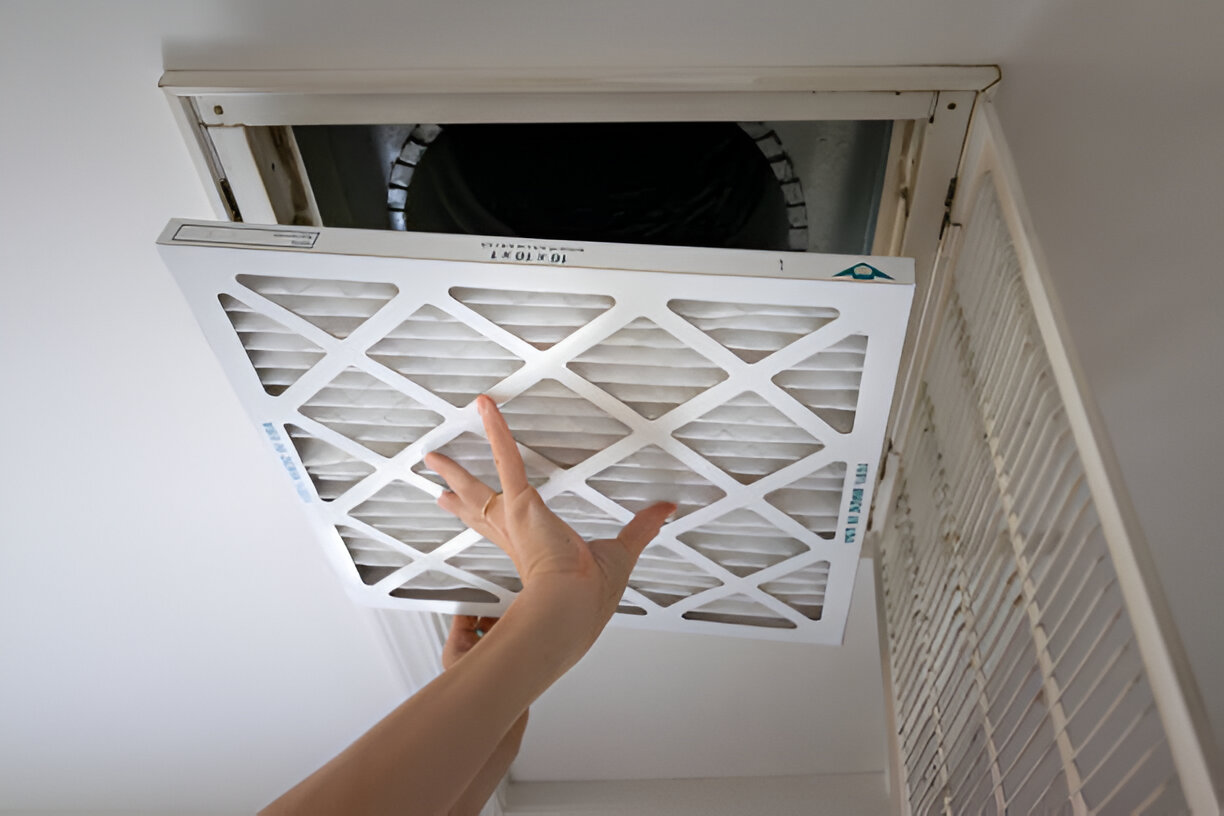
Why get an HVAC inspection in Splendora, TX
- High humidity in Splendora increases the risk of mold growth, corrosion, and condensate drain problems. Inspections catch early signs before indoor air quality or structural issues develop.
- Hot Texas summers mean extended run times for air conditioners. Inspections identify worn components, refrigerant issues, and airflow restrictions that raise energy bills and stress compressors.
- Older homes and mixed commercial systems can have safety or code compliance gaps. Inspections verify combustion safety, ventilation, electrical integrity, and proper clearances.
- For buyers and sellers, a pre-purchase inspection provides an objective report about system condition and likely near-term expenses.
Common HVAC inspection types we perform
- Residential pre-season inspections (spring for cooling readiness, fall for heating readiness)
- Pre-purchase or real estate inspection reports for buyers and sellers
- Commercial system inspections and code compliance assessments
- Safety checks: carbon monoxide testing, combustion and venting evaluation, electrical safety
- Duct and airflow assessments, including checks for leaks, insulation, and static pressure
- Diagnostic testing and performance verification, with written reports and recommended repairs or upgrades
What an inspection covers (step-by-step)
An HVAC inspection is systematic and documented so you clearly understand current condition and next steps.
- Visual system assessment
- Inspect outdoor condensing unit and indoor air handler for obvious damage, corrosion, and debris from storms or yard buildup.
- Check filter condition, cabinet seals, visible ductwork, and attic/crawlspace equipment access.
- Electrical and safety evaluation
- Test breakers, fuses, wiring, and safety controls to identify loose connections or failed components that pose fire risk.
- Perform combustion analysis and flue checks on gas equipment and test for carbon monoxide where applicable.
- Refrigerant and mechanical testing
- Measure refrigerant pressures and temperatures to detect leaks or improper charge.
- Evaluate compressor, fan motors, capacitors, and belts for wear and proper operation.
- Airflow and duct inspection
- Measure supply and return airflow, check static pressure, and visually inspect ducts for leaks, poor insulation, or mold.
- Identify rooms with poor airflow and determine whether balancing, duct sealing, or insulation is needed.
- Thermostat and control checks
- Verify thermostat calibration, programming functionality, and communication with zoning controls or building automation where present.
- Drainage and condensate evaluation
- Inspect condensate drains, pans, and pumps for clogs, leaks, or improper slope that can lead to water damage or microbial growth.
- Written diagnostic report
- Provide a clear, prioritized report listing findings, safety concerns, recommended repairs or upgrades, estimated urgency, and energy-saving opportunities.
Diagnostic testing explained in plain language
Inspections use tests that translate to clear actions:
- Refrigerant gauges and temperature readings tell whether the system has leaks or is undercharged, which reduces cooling and increases run time.
- Measured airflow and static pressure show if dirty coils, blocked filters, or undersized ducts are restricting air and causing uneven comfort.
- Electrical load checks find failing capacitors or loose wiring that can cause sudden failures.
- Combustion analysis confirms gas burners operate cleanly and safely, preventing carbon monoxide risks.
Typical recommended repairs and upgrades
Based on inspection findings, common recommendations include:
- Replace or repair leaking refrigerant lines and recharge the system correctly
- Clean evaporator and condenser coils and replace air filters
- Seal and insulate ductwork, add return paths, or rebalance airflow
- Replace failing capacitors, contactors, or motors to prevent mid-season breakdowns
- Install or service condensate pumps and clear drain lines to prevent water damage and mold
- Upgrade thermostats to programmable or smart models for better control and efficiency
- Add UV lights or enhanced filtration to reduce microbial growth in humid climates
Safety and code compliance focus for Splendora properties
Inspections check for local and general safety concerns such as proper venting of combustion appliances, electrical clearances, and system labeling. In commercial settings, inspectors verify that equipment meets applicable codes for ventilation, fire separation, and mechanical access. Timely documentation from an inspection supports permit processes, insurance requirements, and safer occupancy.
What to expect when scheduling and preparing for an inspection
- Appointment length: Most residential inspections take 60 to 90 minutes. Larger homes or commercial properties typically require more time.
- Access: Provide access to mechanical rooms, attic or crawlspace, electrical panels, and thermostat locations. Clear the area around outdoor units of debris and vegetation.
- Records: If available, have prior maintenance records or equipment manuals on hand to speed assessment and clarify warranty status.
- Report timing: Expect a written inspection report that summarizes findings and recommendations. Typical turnaround is within a few business days.
Benefits of timely HVAC inspections
- Lower utility bills by restoring proper airflow and system efficiency before peak demand
- Fewer emergency repairs and longer equipment life through early component replacement
- Improved indoor air quality by identifying mold, duct contamination, or drainage issues common in humid East Texas
- Safety assurance for gas appliances and electrical systems
- Documentation for real estate transactions, warranties, and insurance claims
Seasonal inspection and maintenance recommendations for Splendora, TX
- Cooling season (spring): Full system check, refrigerant verification, coil cleaning, and condensate drain service before sustained heat arrives.
- Mid-season check (summer): Quick inspection of filters and outdoor unit condition to prevent mid-summer failures.
- Heating season (fall): Safety check and combustion/venting inspection for gas equipment.
- Routine: Replace filters every 1 to 3 months depending on usage, keep outdoor unit clear of vegetation, and schedule comprehensive inspections annually for residential systems and semiannually for many commercial setups.
An in-depth HVAC inspection provides clarity and confidence about system condition, especially in Splendora where humidity and heat increase strain on equipment. A documented inspection report with prioritized repairs or upgrades helps protect comfort, safety, and property value while preventing unexpected failures during extreme weather.
Maintenance Plan You Can Rely On
Basic Care
Perfect for newer systems or budget-conscious homeowners wanting essential protection.
$149/year

Annual comprehensive system inspection
Filter replacement (standard filters included)
15% discount on repairs
Priority scheduling within 48 hours
Premium Protection
Ideal for homes with systems 5+ years old or with moderate usage patterns.
$249/year

Bi-annual system inspections (spring & fall)
Filter replacement (premium filters included)
25% discount on all repairs
Priority scheduling within 24 hours
Free diagnostic fees ($89 value)
Elite Coverage
Best for older systems, luxury homes, or properties with critical climate control needs.
$349/year
Quarterly system inspections
All filters and minor parts included
30% discount on major repairs
Same-day emergency service
Extended 2-year warranty on repairs
Annual system efficiency optimization
Basic Care
Perfect for newer systems or budget-conscious homeowners wanting essential protection.
$149/year
Annual comprehensive system inspection
Filter replacement (standard filters included)
15% discount on repairs
Priority scheduling within 48 hours
Premium Protection
Ideal for homes with systems 5+ years old or with moderate usage patterns.
$249/year
Bi-annual system inspections (spring & fall)
Filter replacement (premium filters included)
25% discount on all repairs
Priority scheduling within 24 hours
Free diagnostic fees ($89 value)
Elite Coverage
Best for older systems, luxury homes, or properties with critical climate control needs.
$349/year
Quarterly system inspections
All filters and minor parts included
30% discount on major repairs
Same-day emergency service
Extended 2-year warranty on repairs
Annual system efficiency optimization
Hear What Our Satisfied Clients Have To Say