
HVAC Inspection in Spring, TX
HVAC inspection in Spring, TX ensures safety and performance with clear findings and prioritized repairs. Schedule a quick check today.
Scroll down to discover more

HVAC Inspection in Spring, TX
Keeping your HVAC system safe, efficient, and reliable is especially important in Spring, TX, where Stat Air Care Air Conditioning & Heating understands that long, humid summers and seasonal storms place heavy demands on equipment. A professional HVAC inspection from Stat Air Care Air Conditioning & Heating identifies safety issues, uncovers performance problems, and provides a clear plan for repairs or upgrades so your home stays comfortable and energy-efficient when you need it most.
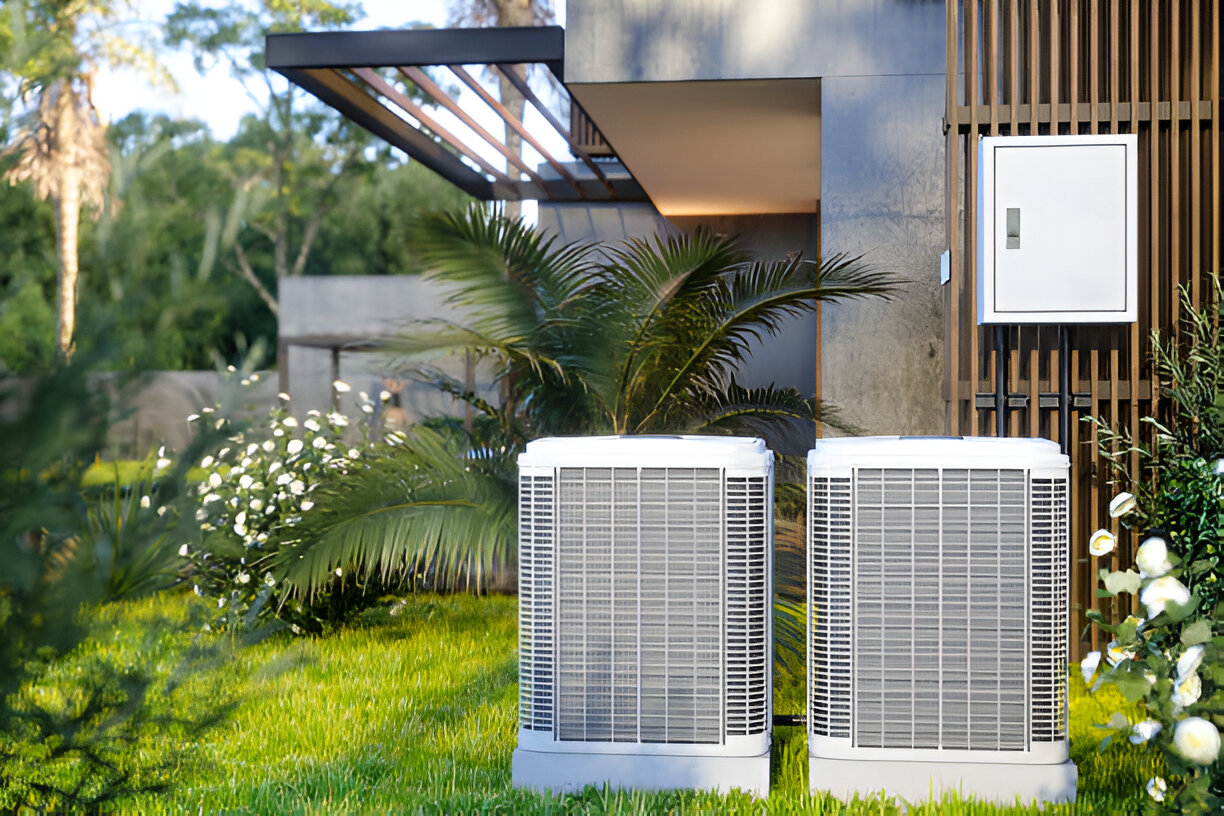
Why HVAC inspections matter in Spring, TX
Spring’s climate—hot, humid summers, frequent thunderstorms, and high pollen counts—creates specific stressors for HVAC systems. These conditions increase cooling loads, promote mold and corrosion in ductwork, and make refrigerant and airflow problems more likely to surface during peak use. Regular inspections help prevent mid-summer failures, reduce indoor allergens, and protect against safety hazards like carbon monoxide exposure in gas-equipped systems.
What a comprehensive HVAC inspection includes
A professional inspection covers both safety and performance across system components. Typical elements include:
- Safety and performance evaluation
- Visual check of system condition and mounting
- Operational startup and shutdown tests
- Electrical component testing, including capacitors and contactors
- Duct and airflow assessment
- Visual inspection for leaks, disconnected sections, and insulation gaps
- Airflow measurements and static pressure testing to find restrictions
- Carbon monoxide and combustion checks (for gas systems)
- Combustion efficiency and CO level testing at the flue
- Heat exchanger inspection for cracks or corrosion
- Refrigerant and pressure checks
- Refrigerant charge verification and pressure testing
- Leak detection when pressures or performance are abnormal
- Indoor air quality and drainage
- Condensate drain inspection and cleaning
- Filter condition check and recommendations for filter type and frequency
- Thermostat and controls
- Calibration and sequencing checks for consistent comfort
- Clear written report
- Prioritized findings with recommended repairs, upgrades, and expected benefits
- Estimated repair scopes and notes on parts or warranty considerations
Common HVAC inspection issues in Spring, TX homes
Inspections in this area routinely find problems driven by heavy seasonal use, humidity, and age:
- Reduced cooling capacity from low refrigerant or dirty coils
- Restricted airflow due to clogged filters, duct leaks, or obstructed returns
- Corroded or punctured coils from humidity and salt air exposure
- Condensate drain clogs leading to water damage or microbial growth
- Duct leakage and poor sealing causing uneven temperatures and higher bills
- Electrical component wear like failing motors, capacitors, or relays
- Heat exchanger cracks or combustion issues in older gas furnaces
- Thermostat miscalibration or outdated controls reducing efficiency
The inspection process — what to expect
Inspections are systematic and transparent, designed to give clear, actionable information:
- Arrival and safety review: Technicians conduct a visual safety sweep, noting obvious damage, debris near the outdoor unit, and accessible electrical concerns.
- Baseline performance tests: The system is started and observed through a full cooling or heating cycle to record temperatures, pressures, and run-times.
- Airflow and duct diagnostics: Supply and return airflow is measured and compared to expected ranges; technicians perform static pressure checks to identify obstructions or leaks.
- Refrigerant and leak testing: Pressures are evaluated and refrigerant levels checked; leak tools are used if abnormalities are found.
- Combustion and CO testing (gas systems): Flue gases are analyzed and carbon monoxide levels measured to confirm safe operation.
- Electrical and component checks: Voltages, currents, and start-up loads are inspected to spot worn or failing parts.
- Report and recommendations: Findings are compiled into a clear report that explains each issue in simple terms and prioritizes repairs by safety, efficiency, and cost impact.
Reports, recommended repairs, and upgrades
The inspection report is written to be easy to understand and immediately useful. Each finding includes:
- A plain-language description of the issue
- Why it matters (safety, efficiency, comfort)
- Recommended next steps and urgency (safety critical vs. efficiency improvement)
- Expected outcomes from repair or upgrade, such as reduced energy use or extended equipment life
- Estimated repair scopes and replacement considerations without unexpected surprises
Common recommended upgrades in Spring, TX include duct sealing, coil cleaning, programmable or smart thermostats to reduce cooling loads, UV lights to reduce microbial growth on coils, and improved filtration to tackle seasonal allergens.
Pre-purchase and pre-season inspections
- Pre-purchase inspections help homebuyers understand the true condition of HVAC equipment before closing. Inspectors identify costly deferred maintenance, estimate remaining useful life, and flag safety issues that could influence negotiations.
- Pre-season inspections (especially before the summer cooling season) ensure systems are ready for continuous operation. Early detection of refrigerant leaks, failing motors, or clogged drains prevents emergency service calls during peak heat.
How regular inspections support long-term system health
Routine inspections translate into tangible benefits for Spring homeowners:
- Improved energy efficiency and lower utility bills through optimized performance
- Fewer unexpected breakdowns and emergency repairs during peak demand
- Longer equipment life by addressing small problems before they escalate
- Better indoor air quality through cleaner coils, ducts, and properly functioning drains
- Increased safety via verified combustion performance and carbon monoxide checks
Practical maintenance tips for Spring, TX homes
- Replace or clean filters more frequently during pollen season and heavy use months.
- Keep the outdoor unit clear of leaves, grass, and debris; trim vegetation to maintain airflow.
- Flush condensate drains periodically to prevent clogs and microbial growth.
- Schedule inspections before the cooling season to catch issues early.
- Consider insulating ducts in unconditioned spaces and sealing visible duct seams.
- Evaluate upgrade options like high-efficiency filters, smart thermostats, or UV treatment for humid climates.
A professional HVAC inspection delivers peace of mind and a prioritized roadmap to keep your system running safely and efficiently in Spring, TX. Clear findings, explained repairs, and weather-aware recommendations help homeowners make informed decisions that protect comfort, health, and long-term value.
Maintenance Plan You Can Rely On
Basic Care
Perfect for newer systems or budget-conscious homeowners wanting essential protection.
$149/year

Annual comprehensive system inspection
Filter replacement (standard filters included)
15% discount on repairs
Priority scheduling within 48 hours
Premium Protection
Ideal for homes with systems 5+ years old or with moderate usage patterns.
$249/year

Bi-annual system inspections (spring & fall)
Filter replacement (premium filters included)
25% discount on all repairs
Priority scheduling within 24 hours
Free diagnostic fees ($89 value)
Elite Coverage
Best for older systems, luxury homes, or properties with critical climate control needs.
$349/year
Quarterly system inspections
All filters and minor parts included
30% discount on major repairs
Same-day emergency service
Extended 2-year warranty on repairs
Annual system efficiency optimization
Basic Care
Perfect for newer systems or budget-conscious homeowners wanting essential protection.
$149/year
Annual comprehensive system inspection
Filter replacement (standard filters included)
15% discount on repairs
Priority scheduling within 48 hours
Premium Protection
Ideal for homes with systems 5+ years old or with moderate usage patterns.
$249/year
Bi-annual system inspections (spring & fall)
Filter replacement (premium filters included)
25% discount on all repairs
Priority scheduling within 24 hours
Free diagnostic fees ($89 value)
Elite Coverage
Best for older systems, luxury homes, or properties with critical climate control needs.
$349/year
Quarterly system inspections
All filters and minor parts included
30% discount on major repairs
Same-day emergency service
Extended 2-year warranty on repairs
Annual system efficiency optimization
Hear What Our Satisfied Clients Have To Say