
HVAC Tune Up in Spring, TX
HVAC Tune-Up Service in Spring, TX optimizes efficiency, reliability, and air quality. Learn more and schedule your tune-up today.
Scroll down to discover more

HVAC Tune Up in Spring, TX
Keeping your HVAC system tuned and ready with Stat Air Care Air Conditioning & Heating is one of the most effective ways to protect comfort, indoor air quality, and energy costs in Spring, TX. With long, hot, humid summers and variable shoulder seasons, HVAC systems here work hard for most of the year. A seasonal HVAC tune-up from Stat Air Care Air Conditioning & Heating addresses common wear points, restores efficiency, and reduces the chance of costly emergency breakdowns when you need cooling the most.
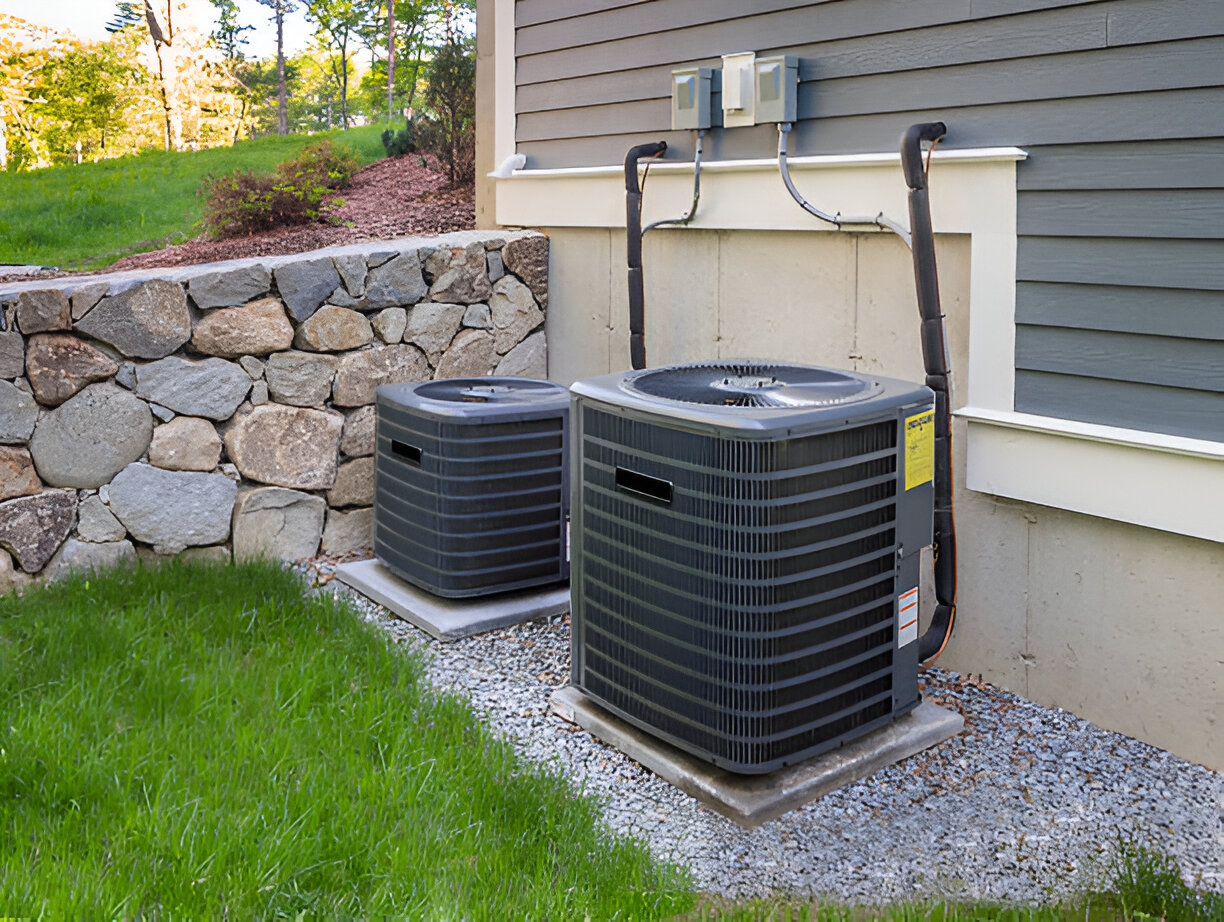
What a Seasonal HVAC Tune-Up Includes
A professional tune-up is a systematic inspection and maintenance visit that targets the components most likely to cause inefficiency or failure. Typical tasks performed during an HVAC tune-up in Spring, TX include:
- Filter check and replacement
Inspect and replace disposable or recommend cleaning of washable filters. Clean filters improve airflow and reduce strain on the system. - Refrigerant level check
Measure refrigerant pressures and inspect for leaks. Low refrigerant reduces cooling capacity and can damage the compressor. - Coil cleaning (evaporator and condenser)
Remove dirt, pollen, and residue from coils. In humid, pollen-prone climates like Spring, TX, dirty coils are a major source of reduced efficiency and frozen evaporator coils. - Motor and belt inspection
Check blower motors, belts, and pulleys for wear, alignment, and lubrication needs. Worn belts and failing motors reduce airflow and increase energy use. - Thermostat calibration and controls check
Verify thermostat accuracy, check control wiring, and ensure the system cycles properly. Miscalibrated thermostats lead to uneven temperatures and unnecessary runtime. - Electrical and safety checks
Inspect wiring, connectors, capacitors, relays, and safety switches. Tighten electrical connections and test safety cutoffs to reduce fire risk and unexpected shutdowns. - Drainage and condensate line cleaning
Clear condensate drains and pans to prevent clogs that can cause water damage or trigger emergency system shutoffs. - System performance test
Measure operating temperatures, airflow, and run-times to document current performance and identify efficiency losses.
Why Regular Tune-Ups Matter in Spring, TX
Spring’s humid subtropical climate places specific stresses on HVAC equipment. Regular tune-ups deliver these key benefits:
- Improved energy efficiency — A well-serviced system uses less electricity, which matters in Spring where AC runtime is high. Clean coils, proper refrigerant charge, and unrestricted airflow reduce utility bills.
- Greater reliability during peak heat — Preventive maintenance finds worn components before they fail during hottest months when demand is highest.
- Longer equipment life — Routine lubrication, belt and motor checks, and filter care reduce wear and extend the useful life of compressors and fan motors.
- Better indoor air quality — Filter care and coil cleaning reduce dust, pollen, and mold growth—important in Spring where pollen counts and humid conditions can aggravate allergies.
- Safety and code compliance — Electrical and safety inspections reduce fire risk and ensure safety controls operate as intended.
- Warranty protection — Many manufacturers require documented annual maintenance to keep warranties valid.
Recommended Frequency for Tune-Ups
For Spring, TX homes, schedule HVAC tune-ups seasonally for the best protection:
- Cooling system (AC): At least once annually before the heavy cooling season begins—ideally in early spring. Given extended cooling seasons in Spring, TX, many homeowners schedule an AC tune-up twice yearly (spring and late summer) if the system is older or used heavily.
- Heat components (furnace/heat pump backup): Inspect in the fall before any cold snaps. For heat pumps, include both cooling and heating checks during seasonal tune-ups since they operate year-round in many cases.
- High-use or older systems: Consider biannual tune-ups (spring and fall) to catch seasonal issues and maintain peak reliability.
Common Issues Found During Tune-Ups and How They’re Resolved
During a tune-up, technicians often identify recurring problems influenced by local conditions:
- Clogged filters and restricted airflow — Replaced or cleaned filters, inspect ductwork for restrictions. Regular filter maintenance restores airflow and prevents freeze-ups.
- Dirty or corroded coils — Professional coil cleaning restores heat exchange efficiency. In humid, coastal-influenced climates, corrosion can be an issue and should be documented for future repairs.
- Low refrigerant or leaks — Technicians trace and repair leaks, then recharge to proper levels. Operating with low refrigerant risks compressor failure.
- Electrical wear and failing capacitors — Tightening connections and replacing weak capacitors prevents motor failures and intermittent operation.
- Thermostat miscalibration — Recalibrate or recommend replacement for older thermostats to stabilize temperature control and reduce runtime.
- Clogged condensate drain — Clearing lines and installing drain treatments prevents overflow and potential water damage to ceilings or flooring.
- Unusual noises or vibration — Diagnose worn bearings, loose panels, or fan imbalance and repair or replace components to eliminate noise and prevent further damage.
What to Expect During the Tune-Up Visit
A professional tune-up is transparent and diagnostic-focused. Typical sequence:
- Visual inspection of indoor and outdoor units and ductwork areas.
- Replace or service air filter and measure airflow.
- Clean evaporator and condenser coils as needed.
- Check refrigerant pressures and inspect for leaks.
- Test electrical components, capacitors, and contactors.
- Inspect and lubricate motors and moving parts; check belts.
- Calibrate thermostat and verify control sequencing.
- Clear condensate drains and test safety switches.
- Run system through full cycle and document operating temperatures and amperage.
- Provide a clear summary of findings, recommended repairs, and maintenance notes.
Technicians typically leave a performance baseline and note any issues to monitor between visits.
Practical Maintenance Tips Between Tune-Ups
Homeowners in Spring, TX can reduce risks and extend service life by:
- Changing disposable filters every 1–3 months (monthly during high pollen or high-use periods).
- Keeping the outdoor unit clear of debris, leaves, and overgrowth; maintain 2–3 feet clearance.
- Running ceiling fans to reduce thermostat setpoints without increasing AC runtime.
- Monitoring the system for strange sounds, odors, or cycling behavior and addressing issues early.
- Keeping vents and registers unobstructed and scheduling duct inspections if air distribution feels uneven.
Regular seasonal HVAC tune-ups tailored to Spring, TX conditions keep systems running efficiently, reduce emergency repairs, and help maintain comfortable, healthy indoor environments throughout the year.
Maintenance Plan You Can Rely On
Basic Care
Perfect for newer systems or budget-conscious homeowners wanting essential protection.
$149/year

Annual comprehensive system inspection
Filter replacement (standard filters included)
15% discount on repairs
Priority scheduling within 48 hours
Premium Protection
Ideal for homes with systems 5+ years old or with moderate usage patterns.
$249/year

Bi-annual system inspections (spring & fall)
Filter replacement (premium filters included)
25% discount on all repairs
Priority scheduling within 24 hours
Free diagnostic fees ($89 value)
Elite Coverage
Best for older systems, luxury homes, or properties with critical climate control needs.
$349/year
Quarterly system inspections
All filters and minor parts included
30% discount on major repairs
Same-day emergency service
Extended 2-year warranty on repairs
Annual system efficiency optimization
Basic Care
Perfect for newer systems or budget-conscious homeowners wanting essential protection.
$149/year
Annual comprehensive system inspection
Filter replacement (standard filters included)
15% discount on repairs
Priority scheduling within 48 hours
Premium Protection
Ideal for homes with systems 5+ years old or with moderate usage patterns.
$249/year
Bi-annual system inspections (spring & fall)
Filter replacement (premium filters included)
25% discount on all repairs
Priority scheduling within 24 hours
Free diagnostic fees ($89 value)
Elite Coverage
Best for older systems, luxury homes, or properties with critical climate control needs.
$349/year
Quarterly system inspections
All filters and minor parts included
30% discount on major repairs
Same-day emergency service
Extended 2-year warranty on repairs
Annual system efficiency optimization
Hear What Our Satisfied Clients Have To Say