
HVAC Replacement in Spring, TX
Discover essential insights on HVAC replacement in Spring, TX. Learn when to replace your system and the benefits of modern upgrades for comfort and efficiency.
Scroll down to discover more

HVAC Replacement in Spring, TX
When your cooling system struggles through Spring, TX summers, an informed HVAC replacement from Stat Air Care Air Conditioning & Heating is often the smartest long-term choice. Spring’s hot, humid climate puts heavy stress on air conditioners and heat pumps. That wear shortens equipment life, increases energy bills, and reduces indoor comfort.
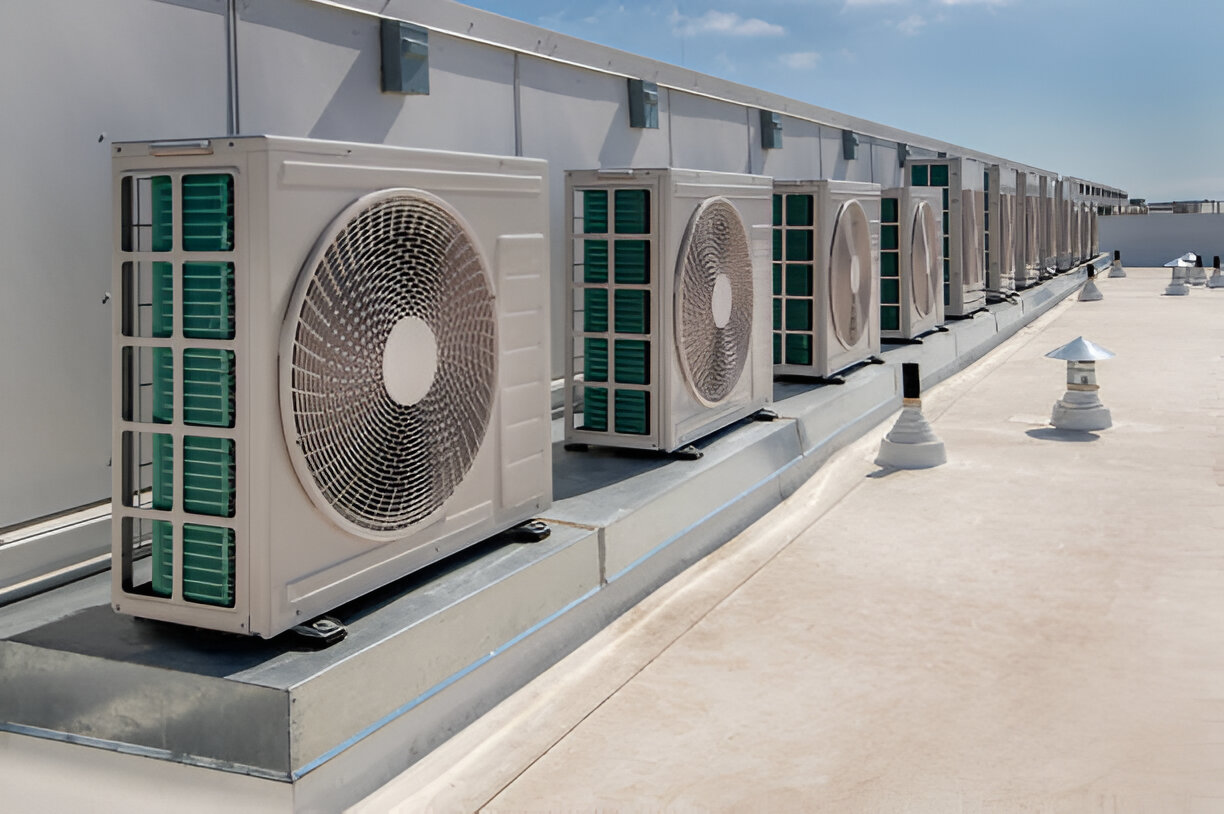
Why consider HVAC replacement in Spring, TX
Homes in Spring must manage high cooling loads and persistent humidity. Older systems sized or installed without modern load calculations often run constantly and fail to control humidity, leading to uneven temperatures, higher energy use, and more frequent breakdowns. Replacing an outdated or failing system can restore reliable cooling, deliver consistent indoor humidity control, and improve indoor air quality—benefits that matter in Gulf Coast-adjacent climates.
Common HVAC replacement issues in Spring, TX
- Constant repairs and rising bills: Frequent breakdowns and rapidly increasing energy use are signs the system is nearing end of life.
- Inconsistent comfort and humidity problems: Systems that run but never reach setpoints, or that leave rooms humid, often need replacement or a redesign.
- R-22 refrigerant or obsolete parts: Older systems that use phased-out refrigerants or hard-to-find components become expensive and unsustainable to maintain.
- Corrosion and external damage: High humidity and summer storms accelerate outdoor unit wear, refrigerant line corrosion, and electrical component failure.
- Age and runtime: Even well-maintained systems lose efficiency and reliability after their expected service life in high-use climates.
Repair versus replace: making the decision
- Repair when: The issue is isolated (a failed capacitor, clogged drain, or minor refrigerant leak), the system is relatively new, and projected remaining life is several years.
- Replace when: Repair costs approach a significant percentage of a replacement, the system is old or uses obsolete refrigerant, comfort problems persist, or energy bills remain high despite repairs.
A professional assessment should include a load calculation, duct inspection, and an analysis of life-cycle costs rather than a single repair price.
What a professional replacement process includes
- Comprehensive assessment: Manual J load calculation, duct leakage and condition check, airflow and thermostat diagnostics, and an evaluation of current electrical capacity.
- System selection: Sizing the new unit for your home’s actual load, not just replacing like-for-like, to prevent short cycling or undersized performance.
- Permits and codes: Ensuring installations meet local codes and permitting requirements common in Harris County and surrounding areas.
- Installation and commissioning: Proper refrigerant charge, airflow balance, thermostat setup, and full system testing.
- Removal and disposal: Safe recovery of refrigerant, recycling of metal and components, and disposal of electronics according to environmental rules.
Upgrade options for efficiency and comfort
- Higher SEER and efficient compressors: Modern high-efficiency systems reduce energy use during long cooling seasons.
- Heat pumps: Efficient year-round option that provides both cooling and heating with better dehumidification when matched to home needs.
- Variable-speed air handlers and compressors: Improve comfort by modulating capacity, providing steadier temperatures and better humidity control.
- Zoning and smart thermostats: Zoning dampers and smart controls deliver targeted comfort and can reduce wasted conditioning in unused areas.
- Ductwork upgrades and sealing: Sealing, insulation, and properly sized ducts improve delivery and system efficiency—this is often overlooked but critical in humid climates.
- Indoor air quality (IAQ) solutions: Whole-home filtration, UV lights, and energy recovery ventilators help manage allergens and ventilation without losing conditioned air.
Removal and disposal of old equipment
Old units must be handled safely. Professionals recover refrigerant per EPA rules, recycle metal and plastics, and dispose of fluids and hazardous components properly. If the old unit contains phased-out refrigerants, disposal needs specialized reclamation. Proper disposal reduces environmental impact and prevents future liability.
Typical project timeline
- Assessment and proposal: 1 to 3 days for a detailed on-site evaluation and equipment selection.
- Permits and scheduling: Variable; often several days to a week depending on local permitting.
- Installation: Most like-for-like residential replacements complete in 1 to 3 days. More complex replacements that include ductwork, electrical upgrades, or zoning can take longer.
- Final testing and training: Technician verifies performance and explains system operation and maintenance in your home.
Cost factors and long-term savings
Replacement cost is driven by system capacity, efficiency rating, equipment type, ductwork condition, electrical upgrades, and any needed structural work. Instead of focusing on upfront price alone, consider lifecycle expenses: installation quality, seasonal operating cost, maintenance requirements, and expected service life. Higher-efficiency equipment typically reduces monthly cooling costs and improves comfort; in many cases the energy savings, combined with available incentives, lower total ownership cost over the system’s lifetime.
Rebates, incentives, and financing considerations
Homeowners in Spring should explore federal tax credits, state or local utility rebates, and manufacturer incentives for high-efficiency equipment and heat pumps. Many local utilities and energy programs offer rebates for Energy Star or high-SEER installations and for home energy improvements like duct sealing. Confirm current offerings with your local utility and read program terms to understand qualification and documentation requirements.
Warranty and maintenance recommendations
- Manufacturer warranties: Confirm parts and compressor warranty details and register your system promptly to validate coverage.
- Extended protection: Consider extended warranties or service agreements for labor and components beyond factory coverage.
- Maintenance schedule: Biannual maintenance—pre-season cooling tune-up and a fall heating check—keeps efficiency high, prevents small issues from becoming major failures, and helps maintain warranty eligibility.
- Record keeping: Keep invoices, maintenance logs, and warranty paperwork organized for future service and to support warranty claims.
Maintenance Plan You Can Rely On
Basic Care
Perfect for newer systems or budget-conscious homeowners wanting essential protection.
$149/year

Annual comprehensive system inspection
Filter replacement (standard filters included)
15% discount on repairs
Priority scheduling within 48 hours
Premium Protection
Ideal for homes with systems 5+ years old or with moderate usage patterns.
$249/year

Bi-annual system inspections (spring & fall)
Filter replacement (premium filters included)
25% discount on all repairs
Priority scheduling within 24 hours
Free diagnostic fees ($89 value)
Elite Coverage
Best for older systems, luxury homes, or properties with critical climate control needs.
$349/year
Quarterly system inspections
All filters and minor parts included
30% discount on major repairs
Same-day emergency service
Extended 2-year warranty on repairs
Annual system efficiency optimization
Basic Care
Perfect for newer systems or budget-conscious homeowners wanting essential protection.
$149/year
Annual comprehensive system inspection
Filter replacement (standard filters included)
15% discount on repairs
Priority scheduling within 48 hours
Premium Protection
Ideal for homes with systems 5+ years old or with moderate usage patterns.
$249/year
Bi-annual system inspections (spring & fall)
Filter replacement (premium filters included)
25% discount on all repairs
Priority scheduling within 24 hours
Free diagnostic fees ($89 value)
Elite Coverage
Best for older systems, luxury homes, or properties with critical climate control needs.
$349/year
Quarterly system inspections
All filters and minor parts included
30% discount on major repairs
Same-day emergency service
Extended 2-year warranty on repairs
Annual system efficiency optimization
Hear What Our Satisfied Clients Have To Say