
HVAC Installation in New Caney, TX
HVAC installation in New Caney, TX: learn the full process from load calculations to commissioning, with financing options.
Scroll down to discover more

HVAC Installation in New Caney, TX
A properly sized, professionally installed HVAC system from Stat Air Care Air Conditioning & Heating is one of the most important investments for comfort, indoor air quality, and energy costs in New Caney, TX. With long, hot, humid summers and sporadic cool snaps in winter, homes here demand systems that deliver reliable cooling, moisture control, and efficient operation.
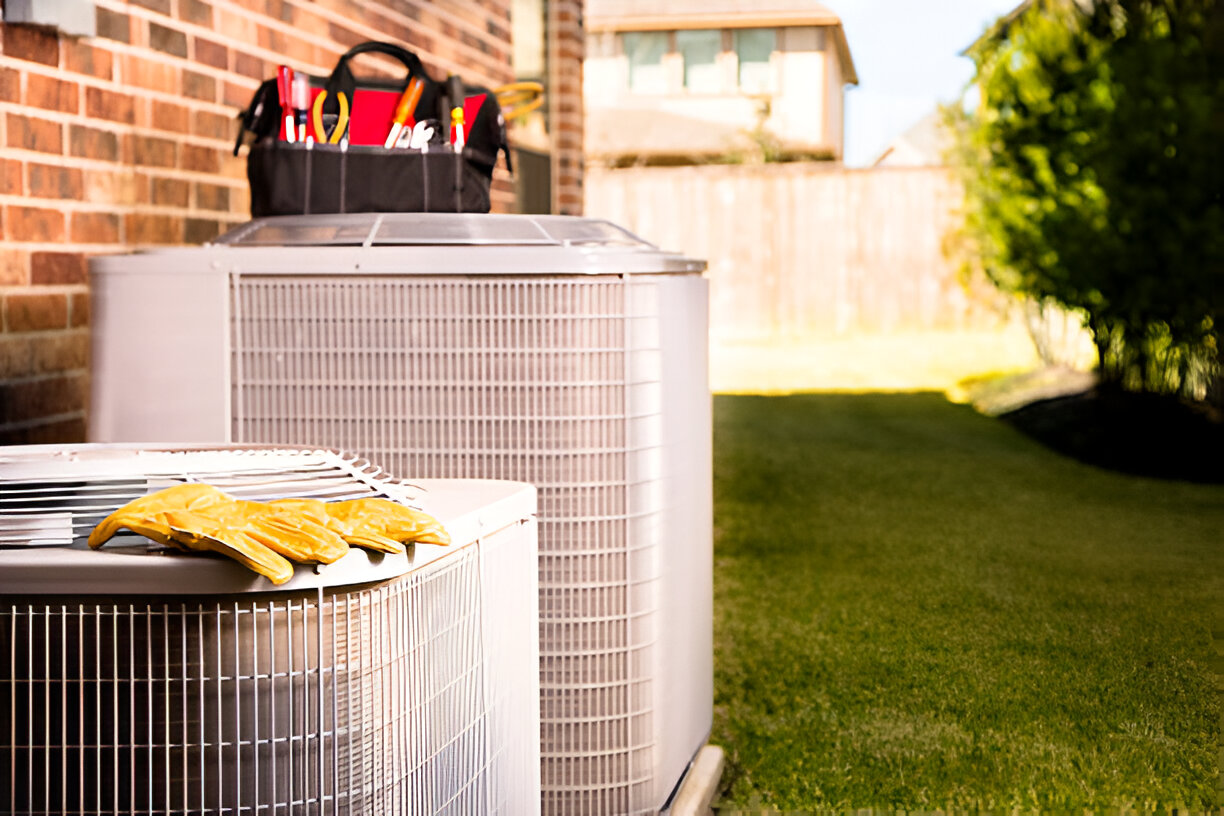
Why consider a new HVAC installation in New Caney
- Older systems lose efficiency and struggle to keep up during Texas heat, increasing utility bills.
- Improperly sized equipment causes short cycling, uneven temperatures, higher humidity, and premature component failure.
- Modern high-efficiency systems and smart controls provide better comfort, lower operating costs, and improved indoor air quality.
- Replacing a failing unit before it causes costly emergency repairs or indoor comfort problems reduces long-term expense and stress.
Common HVAC installation types for New Caney homes
- Central split systems (air conditioner and furnace or air handler) — most common for traditional homes.
- Heat pumps (air-source or hybrid) — efficient for both cooling and heating in mild winter climates.
- Ductless mini-splits — ideal for additions, poorly ducted spaces, or zoning older homes.
- Packaged systems — compact options for utility closets or limited outdoor space.
- Full system replacements — when both outdoor and indoor components or ductwork need upgrading.
Initial consultation and load assessment
A thorough installation begins with a detailed consultation and a heat load calculation tailored to your New Caney home. Expect the technician to:
- Review your home layout, square footage, ceiling heights, insulation levels, window types, shading, and occupancy patterns.
- Inspect ductwork condition and layout for leaks, insulation, and balancing issues common in older local construction.
- Perform a Manual J load calculation (or equivalent professional method) to determine the correct system size based on cooling and heating demands—critical in Texas where attic and envelope heat gains drive high cooling loads.
- Discuss comfort goals, budget, energy targets, and any indoor air quality or humidity concerns particular to your household.
Equipment selection and correct sizing
Choosing the right equipment balances comfort, upfront cost, and long-term operating expense.
- Proper sizing matters: oversized units cycle too frequently, increasing humidity and wear; undersized units run continuously and fail to meet comfort needs. The load calculation guides sizing in tons and capacity.
- Efficiency options: look for higher SEER and HSPF ratings for cooling and heat pump systems. Variable-speed or two-stage compressors and variable-speed blowers improve humidity control and steady comfort in humid climates like New Caney.
- Features to consider: heat pump vs furnace, variable-speed blower motors, multi-stage compressors, advanced filtration (MERV ratings), UV or electronic air cleaners, and zoning for multi-level or open-plan homes.
- Ductwork decisions: new equipment often performs best with duct sealing, insulation, and balancing. In some cases, duct replacement or redesign is recommended to achieve design airflow and efficiency.
Professional installation steps
A quality installation follows manufacturer guidelines and local codes. Typical professional steps include:
- Site preparation: secure working area, protect flooring, and make necessary structural preparations.
- Safe removal and disposal of old equipment following environmental and code requirements.
- Precise equipment placement and mounting of outdoor condensing units, indoor air handler or furnace, and any line sets or refrigerant piping.
- Proper electrical connections, disconnects, and grounding sized to equipment requirements.
- Duct connections, sealing, and insulation to minimize leaks and maintain designed static pressure.
- Condensate drainage and overflow protection to prevent moisture damage in humid Texas conditions.
- Refrigerant charging per manufacturer specifications, with proper brazing and leak testing.
- System startup and initial configuration of controls, thermostats, and zoning components.
Commissioning and testing
Commissioning verifies the system delivers performance and safety:
- Measure airflow (CFM), static pressure, refrigerant superheat and subcooling, and temperature splits to confirm proper operation.
- Verify thermostat calibration, control settings, and any zoning dampers or dampers balancing.
- For gas furnaces, perform combustion safety checks and carbon monoxide verification.
- Test safety switches, condensate overflow protection, and electrical safety devices.
- Walk through operation and thermostat programming so homeowners understand system behavior and seasonal settings.
Warranties, registration, and maintenance recommendations
- Manufacturer and labor warranties: most new systems include manufacturer warranty on major components plus installer labor warranties. Register equipment per manufacturer instructions to preserve coverage.
- Maintenance schedule: regular tune-ups are essential in New Caney. Recommended practices include:
- Change filters every 1 to 3 months depending on filter type and household conditions.
- Annual professional inspections in spring (cooling season) and fall (heating season) to optimize performance and catch small issues early.
- Coil cleaning, condensate drain inspection, refrigerant level checks, and motor lubrications when applicable.
- Proper maintenance maintains efficiency, extends equipment life, reduces repair risk, and preserves warranty eligibility—especially important given high summertime runtime in Southeast Texas.
Recognizing when to replace rather than repair
Consider full replacement if you experience:
- Repeated costly repairs or frequent compressor failures.
- Marked increase in energy bills despite service.
- Inability to maintain comfortable temperatures or control humidity.
- Age over 10 to 15 years depending on equipment type and service history.
- R-22 refrigerant systems that have become costly to recharge or are phased out.
Financing and rebate opportunities
Many homeowners in New Caney finance HVAC installations through contractor financing programs, energy-focused loans, or home improvement financing. Additionally:
- Federal energy-efficiency tax credits and state or local utility rebate programs often apply to high-efficiency heat pumps, air conditioners, and certain insulation or duct-sealing projects.
- Local utilities and seasonal incentive programs sometimes offer rebates or trade-in credits for older, inefficient units.
- Eligibility and program details change, so verify available incentives and documentation requirements when evaluating equipment options.
Final benefits for New Caney homeowners
A professionally engineered and installed HVAC system brings reliable comfort through long Texas summers, better humidity control, improved indoor air quality, lower monthly utility costs, and reduced emergency repairs. When installation follows a careful load assessment, correct equipment selection, precise installation, and ongoing maintenance, your home attains consistent comfort and long-term value.
Maintenance Plan You Can Rely On
Basic Care
Perfect for newer systems or budget-conscious homeowners wanting essential protection.
$149/year

Annual comprehensive system inspection
Filter replacement (standard filters included)
15% discount on repairs
Priority scheduling within 48 hours
Premium Protection
Ideal for homes with systems 5+ years old or with moderate usage patterns.
$249/year

Bi-annual system inspections (spring & fall)
Filter replacement (premium filters included)
25% discount on all repairs
Priority scheduling within 24 hours
Free diagnostic fees ($89 value)
Elite Coverage
Best for older systems, luxury homes, or properties with critical climate control needs.
$349/year
Quarterly system inspections
All filters and minor parts included
30% discount on major repairs
Same-day emergency service
Extended 2-year warranty on repairs
Annual system efficiency optimization
Basic Care
Perfect for newer systems or budget-conscious homeowners wanting essential protection.
$149/year
Annual comprehensive system inspection
Filter replacement (standard filters included)
15% discount on repairs
Priority scheduling within 48 hours
Premium Protection
Ideal for homes with systems 5+ years old or with moderate usage patterns.
$249/year
Bi-annual system inspections (spring & fall)
Filter replacement (premium filters included)
25% discount on all repairs
Priority scheduling within 24 hours
Free diagnostic fees ($89 value)
Elite Coverage
Best for older systems, luxury homes, or properties with critical climate control needs.
$349/year
Quarterly system inspections
All filters and minor parts included
30% discount on major repairs
Same-day emergency service
Extended 2-year warranty on repairs
Annual system efficiency optimization
Hear What Our Satisfied Clients Have To Say