HVAC Tune Up in New Caney, TX
HVAC tune up service in New Caney, TX boosts efficiency, reduces breakdown risk, and extends equipment life. Learn more about maintenance.
Scroll down to discover more

HVAC Tune Up in New Caney, TX
Keeping your HVAC system tuned and running well is essential for homes in New Caney, TX, and Stat Air Care Air Conditioning & Heating is here to help. With hot, humid summers and intermittent cool spells in winter, cooling systems work hard for long stretches. A seasonal HVAC tune up in New Caney, TX helps prevent breakdowns during peak demand, reduces energy costs, and extends the life of your equipment.
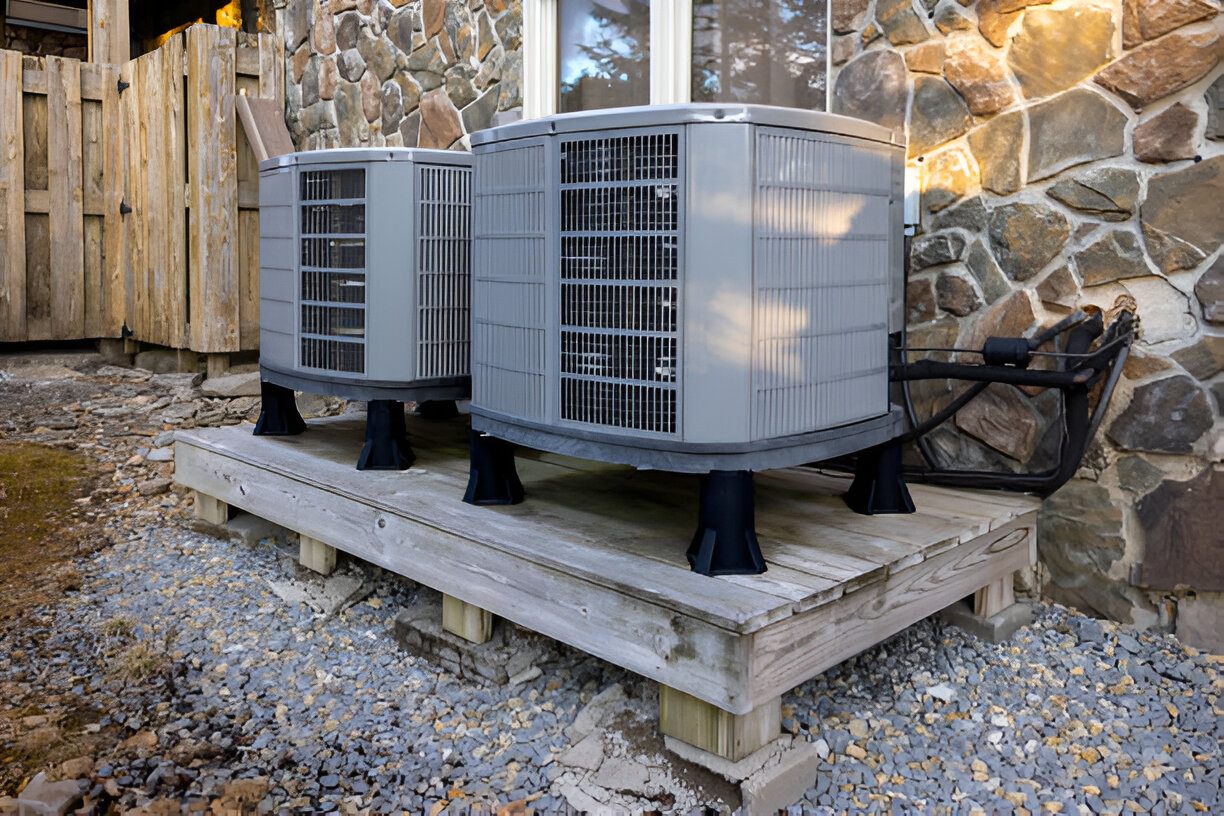
Why seasonal HVAC tune ups matter in New Caney, TX
New Caney’s climate places high stress on air conditioners. High humidity encourages coil corrosion and reduces cooling efficiency, while summer pollen and dust increase filter loading and indoor allergens. Regular tune ups:
- Improve cooling performance during sustained heat
- Reduce moisture-related problems like mold on coils and ductwork
- Help maintain manufacturer warranties that require scheduled maintenance
- Lower utility bills by restoring proper system efficiency
Common HVAC tune up issues in New Caney, TX
Homeowners in this area typically encounter these issues without regular service:
- Reduced airflow from clogged filters, dirty evaporator coils, or failing blower motors
- Short cycling during extreme heat due to refrigerant imbalance or dirty coils
- Weak cooling performance from low refrigerant or restricted condensers
- Thermostat miscalibration causing uneven temperatures and unnecessary run time
- Corroded condenser fins and outdoor fan stress from humidity and airborne dust
- Electrical wear like loose connections or failing capacitors that can cause sudden failures
What a professional multi-point inspection covers
A full seasonal tune up is a systematic multi-point inspection focused on reliability and efficiency. Typical inspection items include:
- Visual and hands-on check of indoor and outdoor units
- Inspection of electrical connections, capacitors, contactors, and fuses
- Blower wheel and motor inspection for balance and wear
- Ductwork visual check for obvious leaks and insulation issues
- Safety control tests including limit switches and condensate overflow protection
Each item is reviewed to identify failing components early and to prioritize repairs that prevent costly emergency replacements.
Filter replacement guidance
Filters are one of the simplest yet most impactful maintenance items. Guidance provided during tune ups includes:
- Recommended filter type by application (basic pleated vs. higher MERV for allergy control)
- Typical replacement intervals based on home occupancy and pets: usually 30-90 days for standard homes, longer for higher-grade filters but with monitored pressure drop
- How to check for restricted filters and when a higher efficiency filter may require blower adjustments
- Advice on using washable filters versus disposable types for your system and indoor air quality goals
Proper filtration reduces stress on the blower and helps keep coils and ductwork cleaner.
Coil and condenser cleaning explained
Dirty evaporator coils and outdoor condensers are major causes of efficiency loss.
- Evaporator coil cleaning: Removes accumulated dust, pollen, and biological growth that reduce heat transfer. Cleaning restores proper refrigerant evaporation and indoor humidity control.
- Condenser coil and fin cleaning: Clears debris, grass clippings, and pollen from the outdoor coil and straightens bent fins to improve airflow through the outdoor unit.
- Condensate drain cleaning: Removes clogs that can cause water backups, stains, and potential overflow shutoffs.
Technicians use safe, manufacturer-approved cleaners and methods to protect coil coatings and system components.
Refrigerant level checks and leak diagnostics
Proper refrigerant charge is critical for cooling capacity and compressor longevity.
- Refrigerant check: Measured under load to confirm system is within manufacturer specifications for temperature split and pressures.
- Leak signs: Ice on the evaporator coil, hissing sounds, unusually long run times, or low suction pressure.
- If a leak is suspected, technicians perform targeted leak detection and advise on repair options. Handling refrigerant requires certified technicians and adherence to EPA regulations.
A correctly charged system cycles properly and avoids compressor overheating or early failure.
Thermostat calibration and performance testing
A tuned thermostat and calibrated controls improve comfort and efficiency.
- Thermostat calibration: Ensures reported temperature matches actual room temperature and that control algorithms operate correctly.
- System performance testing: Includes measuring airflow, temperature split across the evaporator, amp draw on motors, and verifying safe start and stop sequences.
- Cycling analysis: Checks for short cycling or extended run times that indicate underlying issues with sizing, refrigerant, airflow, or electrical components.
These tests confirm the system is performing to design expectations and identify hidden problems before failure.
Typical repairs and adjustments during a tune up
During a seasonal tune up technicians commonly perform these corrective actions:
- Replace or recommend the correct air filter and confirm proper installation
- Clean evaporator and condenser coils, and clear condensate drains
- Tighten electrical connections, test capacitors, and replace worn parts as needed
- Adjust blower speed and damper settings to optimize airflow
- Recharge refrigerant after confirming leak repair and proper procedures
- Recalibrate or replace thermostats for precise control
Technicians prioritize safety and long-term value when recommending repairs, explaining the trade-offs between temporary fixes and full component replacement.
Benefits of regular HVAC tune ups
Scheduling seasonal tune ups produces measurable benefits for New Caney homeowners:
- Fewer emergency repairs during peak summer months
- Lower energy bills from restored system efficiency
- Improved indoor comfort and humidity control
- Extended equipment life and better return on investment
- Reduced indoor allergens and improved air quality
- Enhanced reliability during heat waves when systems are under maximum stress
Seasonal scheduling and maintenance cadence
For New Caney, a recommended maintenance schedule is:
- Spring tune up focused on the cooling system before summer peak use
- Optional fall tune up to prepare heat systems for sporadic cold periods
- More frequent filter checks in high pollen seasons or if you have pets
- Annual inspections for most systems; semi-annual for homes with heavy use or older equipment
Keeping a maintenance log with dates, work performed, and component notes helps protect warranties and track system health.
Final notes on choosing a tune up approach
A professional HVAC tune up in New Caney, TX is an investment in comfort, efficiency, and system longevity. Opt for technicians who perform a documented multi-point inspection, provide clear findings and explanations in plain language, and follow manufacturer-recommended service procedures. Properly timed tune ups reduce surprises, improve home comfort in humid Texas summers, and save money over the life of your system.
Maintenance Plan You Can Rely On
Basic Care
Perfect for newer systems or budget-conscious homeowners wanting essential protection.
$149/year

Annual comprehensive system inspection
Filter replacement (standard filters included)
15% discount on repairs
Priority scheduling within 48 hours
Premium Protection
Ideal for homes with systems 5+ years old or with moderate usage patterns.
$249/year

Bi-annual system inspections (spring & fall)
Filter replacement (premium filters included)
25% discount on all repairs
Priority scheduling within 24 hours
Free diagnostic fees ($89 value)
Elite Coverage
Best for older systems, luxury homes, or properties with critical climate control needs.
$349/year
Quarterly system inspections
All filters and minor parts included
30% discount on major repairs
Same-day emergency service
Extended 2-year warranty on repairs
Annual system efficiency optimization
Basic Care
Perfect for newer systems or budget-conscious homeowners wanting essential protection.
$149/year
Annual comprehensive system inspection
Filter replacement (standard filters included)
15% discount on repairs
Priority scheduling within 48 hours
Premium Protection
Ideal for homes with systems 5+ years old or with moderate usage patterns.
$249/year
Bi-annual system inspections (spring & fall)
Filter replacement (premium filters included)
25% discount on all repairs
Priority scheduling within 24 hours
Free diagnostic fees ($89 value)
Elite Coverage
Best for older systems, luxury homes, or properties with critical climate control needs.
$349/year
Quarterly system inspections
All filters and minor parts included
30% discount on major repairs
Same-day emergency service
Extended 2-year warranty on repairs
Annual system efficiency optimization
Hear What Our Satisfied Clients Have To Say