
HVAC Repair in Kingwood, TX
HVAC repair in Kingwood, TX delivers fast diagnostics and durable fixes for humid-climate homes. Schedule same-day service today.
Scroll down to discover more

HVAC Repair in Kingwood, TX
When your heating, ventilation, or air conditioning system fails, you need clear answers and fast, dependable repairs. Stat Air Care Air Conditioning & Heating focuses on accurate diagnostics, durable repairs, and solutions that reflect local climate demands — long, humid summers, heavy tree cover, and occasional cold snaps.
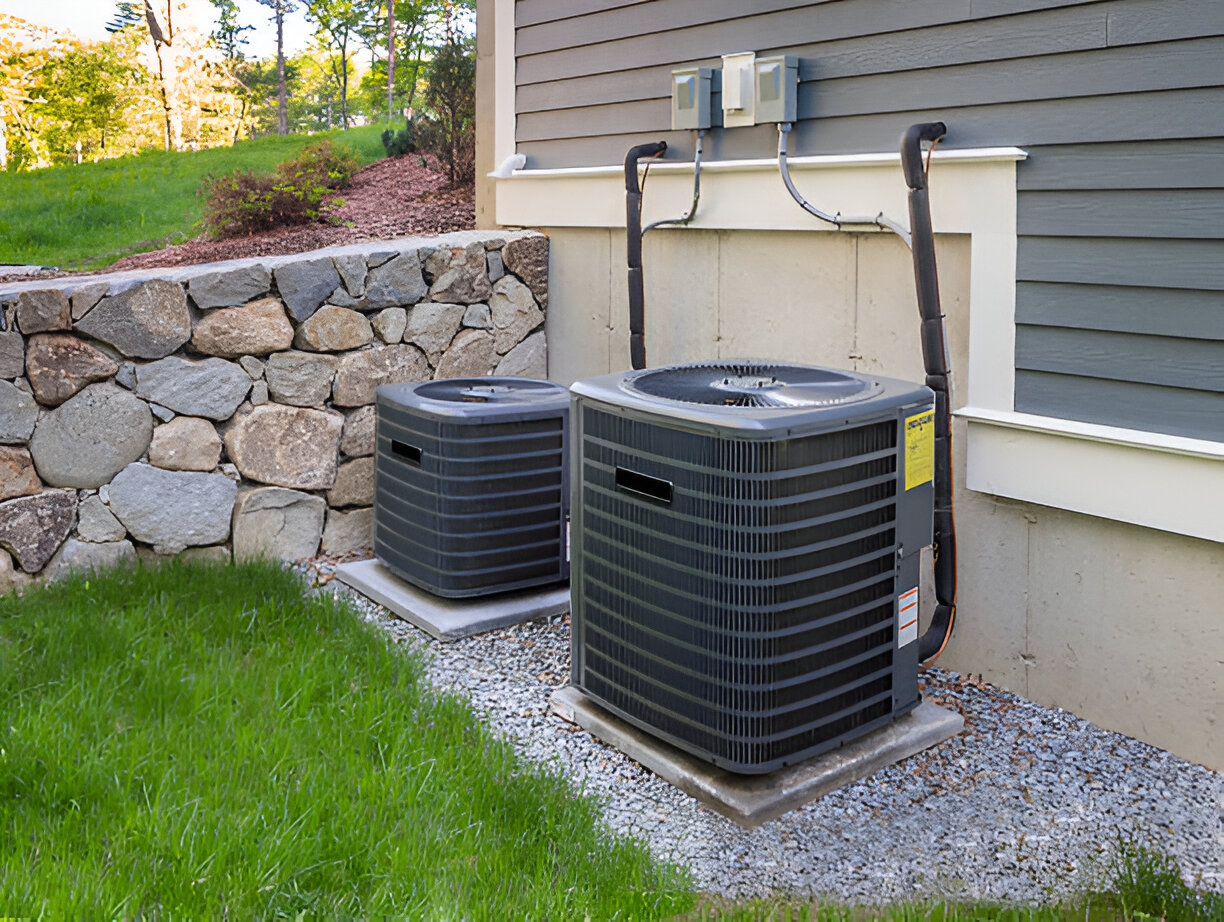
Why timely HVAC repair matters in Kingwood, TX
Kingwood’s hot, humid climate means air conditioners work hard for much of the year. Continuous operation increases wear on compressors, motors, and electrical components. The area’s mature tree canopy and pollen load also clog filters and condense drains faster than in drier climates. Delaying repairs can lead to higher energy bills, shortened equipment life, indoor comfort problems, and mold or water damage from clogged condensate drains. Quick, professional repair minimizes disruption and prevents small issues from becoming expensive failures.
Common HVAC issues in Kingwood homes
- AC not cooling or reduced cooling capacity: often caused by low refrigerant, failed compressor, clogged coils, or poor airflow.
- Frequent short-cycling: can result from a failing capacitor, thermostat issues, or oversized equipment.
- Frozen evaporator coils: caused by restricted airflow, low refrigerant, or dirty coils.
- Refrigerant leaks: signs include hissing sounds, ice buildup, and poor cooling. Repair requires leak detection and repair before recharge.
- Electrical failures: bad capacitors, contactors, or control board damage after storms and power surges.
- Blower or fan motor failures: noisy operation, weak airflow, or no airflow at all.
- Clogged condensate drain and water leaks: tree debris and humidity can accelerate clogs, leading to overflow and potential mold growth.
- Thermostat and control issues: inaccurate readings or communication errors with the system.
- Duct leaks and poor ventilation: common in older homes, contributing to uneven temperatures and higher energy use.
Diagnostic and troubleshooting process
Technicians follow a systematic diagnostic approach to pinpoint root causes and avoid unnecessary work:
- Initial interview and symptom assessment — gather history of system behavior and recent events (storms, strange noises, odors).
- Safety and power checks — confirm breakers, disconnects, and safety devices.
- Visual inspection — examine outdoor unit, coils, condensate lines, cabinet condition, and visible ductwork.
- Airflow measurements — check filters, blower operation, supply and return airflow.
- Electrical testing — measure voltage, amperage, and component continuity (capacitors, motors, contactors).
- Refrigerant and pressure testing — read pressures, superheat/subcooling, and detect leaks using electronic detectors or dye when necessary.
- Thermostat and control diagnostics — verify settings, wiring, and control signals.
- Indoor air quality and mold inspection — check for signs of moisture, microbial growth, or dirty coils that impede performance.
After diagnostics, the technician provides a clear repair estimate with options (repair vs replace), parts needed, and expected time to complete the work.
Repair options and parts commonly used
Repairs are selected to balance durability, efficiency, and cost. Typical repairs include:
- Capacitor, contactor, and relay replacement — common, affordable fixes that restore starting and control functions.
- Compressor and fan motor replacement — necessary for units with mechanical failure; technicians match replacement parts to system specifications.
- Coil cleaning and fin repair — restores heat transfer and prevents freeze-ups.
- Refrigerant leak repair and recharge — locate and repair leaks before recharging with the correct refrigerant type.
- Thermostat replacement or calibration — upgrade to programmable or smart models for better control and efficiency.
- Duct sealing and insulation — reduce energy loss and balance airflow.
- Condensate line clearing and pump replacement — prevent water damage and microbial growth.
- Control board replacement and circuit repairs — after storm damage or component failure.
- Indoor air quality upgrades — high-efficiency filters, UV lights, or air purifiers to combat pollen, mold, and allergens common in Kingwood.
Parts used are typically OEM or OEM-equivalent, and technicians will explain the tradeoffs between aftermarket alternatives and original manufacturer components.
Technician qualifications and standards
For safe, reliable repairs in Kingwood, look for technicians who are:
- Licensed and insured in accordance with Texas requirements.
- EPA 608 certified for refrigerant handling.
- NATE-certified or similarly trained in HVAC systems and diagnostics.
- Background-checked and trained in customer safety, indoor air quality, and best practices for working in occupied homes.
Technicians should provide a written explanation of the work performed and answer questions about long-term maintenance.
Emergency response and typical timelines
Emergency scenarios include total system failure during extreme heat, major refrigerant leaks, or active water damage from condensate backups. Typical response expectations:
- Urgent/emergency repairs: many service providers aim to respond within a few hours during business hours for life-safety or severe comfort failures.
- Same-day service: commonly available for high-priority cooling failures, especially in humid summer months.
- Standard repairs: scheduled within 24 to 72 hours depending on parts availability and workload.
Exact response times vary by provider, but residents should expect urgent issues to be addressed more quickly due to Kingwood’s climate-related risks.
Pricing expectations and warranties
Repair pricing depends on labor, parts, and complexity. Common models include a diagnostic/service fee followed by a detailed estimate for repairs. Expect transparency: estimates should list parts, labor hours, and any recommended follow-up.
Warranties commonly include:
- Parts warranty: often 30 to 365 days for repair parts, with manufacturer warranties lasting longer for certain components.
- Labor warranty: many repairs include a short-term labor warranty (for example, 30 to 90 days).
Always request written warranty terms for both parts and labor and retain receipts and manufacturer paperwork for any longer-term warranties.
Maintenance advice to prevent frequent repairs
Regular preventive maintenance reduces emergency calls and extends equipment life:
- Replace air filters every 1 to 3 months during heavy use.
- Schedule biannual tune-ups — spring for cooling, fall for heating — to catch issues before peak seasons.
- Keep the outdoor unit clear of leaves, branches, and debris; trim vegetation at least 2 feet away.
- Insulate and seal exposed ducts and check attic ventilation to reduce load on the system.
- Monitor condensate drains during high-humidity periods and clear them at the first sign of slow drainage.
How scheduling typically works
Scheduling is flexible to accommodate urgent needs and planned service. Providers usually offer options such as online requests, appointment windows, or same-day scheduling for high-priority failures. For ongoing reliability, many homeowners enroll in seasonal maintenance plans that provide priority scheduling and discounting on repairs.
Maintenance Plan You Can Rely On
Basic Care
Perfect for newer systems or budget-conscious homeowners wanting essential protection.
$149/year

Annual comprehensive system inspection
Filter replacement (standard filters included)
15% discount on repairs
Priority scheduling within 48 hours
Premium Protection
Ideal for homes with systems 5+ years old or with moderate usage patterns.
$249/year

Bi-annual system inspections (spring & fall)
Filter replacement (premium filters included)
25% discount on all repairs
Priority scheduling within 24 hours
Free diagnostic fees ($89 value)
Elite Coverage
Best for older systems, luxury homes, or properties with critical climate control needs.
$349/year
Quarterly system inspections
All filters and minor parts included
30% discount on major repairs
Same-day emergency service
Extended 2-year warranty on repairs
Annual system efficiency optimization
Basic Care
Perfect for newer systems or budget-conscious homeowners wanting essential protection.
$149/year
Annual comprehensive system inspection
Filter replacement (standard filters included)
15% discount on repairs
Priority scheduling within 48 hours
Premium Protection
Ideal for homes with systems 5+ years old or with moderate usage patterns.
$249/year
Bi-annual system inspections (spring & fall)
Filter replacement (premium filters included)
25% discount on all repairs
Priority scheduling within 24 hours
Free diagnostic fees ($89 value)
Elite Coverage
Best for older systems, luxury homes, or properties with critical climate control needs.
$349/year
Quarterly system inspections
All filters and minor parts included
30% discount on major repairs
Same-day emergency service
Extended 2-year warranty on repairs
Annual system efficiency optimization
Hear What Our Satisfied Clients Have To Say