
HVAC Replacement in Kingwood, TX
HVAC replacement in Kingwood, TX: Learn when to replace, installation steps, energy savings, warranties, financing - get your estimate today.
Scroll down to discover more

HVAC Replacement in Kingwood, TX
Upgrading your HVAC system with Stat Air Care Air Conditioning & Heating is one of the most impactful home investments for comfort, energy bills, and indoor air quality — especially in Kingwood, TX, where hot, humid summers put heavy demand on air conditioners.
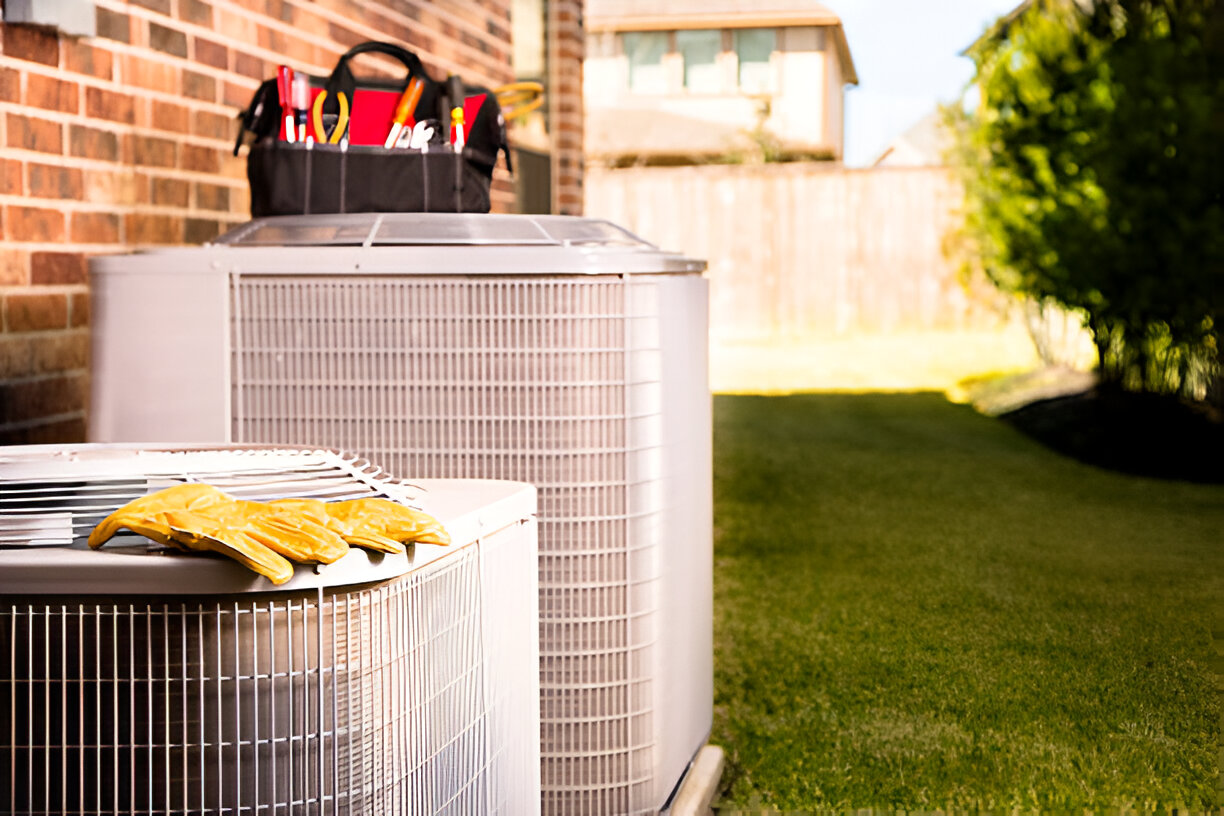
When to Replace versus Repair
Knowing whether to repair or replace your system can save money and avoid future disruptions. Consider replacement when you see any of these signs:
- Age of the system: Most central air systems older than 10 to 15 years are nearing end of life. Older equipment loses efficiency and parts become harder to source.
- Frequent breakdowns: Multiple repairs in a single cooling season indicate declining reliability and rising lifetime costs.
- Rising energy bills: Noticeable increases in cooling costs with no change in use often mean the system is inefficient or failing.
- Major component failure: Compressor or heat exchanger failures usually tip the scale toward replacement because parts are costly.
- Poor comfort or uneven cooling: If some rooms are hot or humidity remains high despite running the system, the unit may be undersized or failing.
- Refrigerant availability: Units that require phased-out refrigerants can be expensive to recharge and are better replaced with systems using modern refrigerants.
- Diminished indoor air quality: Older systems without proper filtration or humidity control can contribute to allergies and mold issues.
Every situation is different. A professional evaluation will weigh repair cost versus expected remaining lifespan and future operating costs to determine the best option for your Kingwood home.
How we evaluate your home and generate an estimate
A reliable HVAC replacement estimate is based on a careful, documented evaluation, not a guess. Typical evaluation steps include:
- System inspection: Examine the existing equipment, ductwork, thermostat, and refrigerant lines to identify issues and compatibility concerns.
- Load calculation: Perform a Manual J-style sizing analysis (home size, orientation, insulation, window types, occupancy, and Kingwood climate loads) to determine correct equipment capacity.
- Duct and airflow assessment: Check duct sizing, leaks, insulation, and airflow to ensure the new system will perform efficiently.
- Energy-use analysis: Compare current estimated seasonal energy consumption with potential savings from higher-efficiency equipment.
- Written options and estimate: Provide clear equipment options (efficiency tiers, features), scope of work, timeline, and a transparent cost estimate for each option.
This process ensures the new system is properly sized for Kingwood’s hot summers and humid conditions, avoiding short cycling, poor humidity control, and wasted energy.
Selecting higher-efficiency equipment
Upgrading offers the chance to choose features that improve comfort and lower bills. Key considerations:
- Efficiency ratings: Look at SEER for cooling efficiency and HSPF/AFUE for heat pumps and furnaces. Higher ratings generally mean lower operating costs.
- Correct sizing: Oversized equipment cycles on and off, reducing efficiency and humidity control. Right-sizing is essential.
- Variable-speed compressors and ECM blowers: These deliver smoother temperature control, better humidity management, and improved efficiency during partial load conditions common in our climate.
- Two-stage systems or zoning: These options improve comfort across multiple rooms and can reduce energy use in large or multi-level Kingwood homes.
- Smart thermostats and controls: Provide better scheduling, remote access, and performance insights that help save energy.
- Indoor air quality upgrades: High-efficiency filters, UV lights, and whole-house dehumidifiers help address Kingwood’s humidity-related concerns.
Equipment recommendations should be tied to your home’s load calculation and comfort priorities, not only the highest efficiency label.
Removal, disposal, and installation process
A professional replacement follows a safe, code-compliant process:
- Refrigerant recovery: Proper recovery and handling of refrigerant from the old unit according to environmental requirements.
- Safe removal and disposal: Dismantling and hauling away the old system and components, recycling materials where possible.
- Site preparation: New pad, electrical upgrades, or gas line changes as needed for the new equipment.
- Ductwork preparation: Repairing or sealing ducts, adding insulation, or modifying runs for optimal airflow.
- Installation and startup: Mounting equipment, refrigerant charge to manufacturer specs, calibrating controls, and running performance tests.
- System commissioning: Verifying airflow, temperature splits, humidity control, and energy performance; leaving you with documentation and operational guidance.
A thorough installation protects your warranty and maximizes the new system’s lifespan and efficiency.
Expected energy savings and payback
Replacing an old, inefficient system with a modern high-efficiency unit typically yields measurable savings. While results vary by home and usage patterns, upgrades often deliver:
- 20 to 40 percent reduction in cooling energy use compared to systems a decade old.
- Improved comfort and humidity control that reduce the need to run the system continuously.
- Faster recovery times and more consistent indoor temperatures, which can indirectly lower energy use.
Payback depends on local electricity rates, the efficiency gap between old and new equipment, and how often you run cooling in Kingwood’s long summers. An energy analysis during the estimate will show projected annual savings and an approximate payback period for each equipment option.
Warranties, financing, and rebates available in Kingwood, TX
Most modern HVAC systems include manufacturer warranties on major components and compressors, and many installers offer labor or extended warranties. Financing options commonly available to homeowners can spread equipment costs over time with fixed monthly payments. Energy efficiency rebates and incentives may be available through utility programs, regional rebate initiatives, or federal/state tax incentives for qualifying equipment; eligibility depends on equipment type and installation criteria.
During the estimate process you should receive clear details on:
- Manufacturer component and compressor warranty terms
- Installer labor warranty and any available extended plans
- Typical financing options and qualification criteria
- Common rebate and incentive categories and what documentation is required to apply
Final considerations and maintenance advice
A properly sized, efficiently installed HVAC system gives reliable comfort through Kingwood’s heat and humidity and reduces the lifetime cost of ownership. To protect that investment:
- Schedule regular preventive maintenance and seasonal tune-ups.
- Replace filters per manufacturer recommendations and consider higher MERV filters if indoor air quality is a concern.
- Keep outdoor units clear of debris, vegetation, and direct obstructions.
- Use programmable or smart thermostats to optimize runtime and temperature setbacks.
- Address duct leaks and insulation deficiencies to preserve efficiency.
Replacing your HVAC system is a significant decision. A clear, professional evaluation and properly executed installation tailored to Kingwood homes will deliver comfort, lower energy bills, and peace of mind for years to come.
Maintenance Plan You Can Rely On
Basic Care
Perfect for newer systems or budget-conscious homeowners wanting essential protection.
$149/year

Annual comprehensive system inspection
Filter replacement (standard filters included)
15% discount on repairs
Priority scheduling within 48 hours
Premium Protection
Ideal for homes with systems 5+ years old or with moderate usage patterns.
$249/year

Bi-annual system inspections (spring & fall)
Filter replacement (premium filters included)
25% discount on all repairs
Priority scheduling within 24 hours
Free diagnostic fees ($89 value)
Elite Coverage
Best for older systems, luxury homes, or properties with critical climate control needs.
$349/year
Quarterly system inspections
All filters and minor parts included
30% discount on major repairs
Same-day emergency service
Extended 2-year warranty on repairs
Annual system efficiency optimization
Basic Care
Perfect for newer systems or budget-conscious homeowners wanting essential protection.
$149/year
Annual comprehensive system inspection
Filter replacement (standard filters included)
15% discount on repairs
Priority scheduling within 48 hours
Premium Protection
Ideal for homes with systems 5+ years old or with moderate usage patterns.
$249/year
Bi-annual system inspections (spring & fall)
Filter replacement (premium filters included)
25% discount on all repairs
Priority scheduling within 24 hours
Free diagnostic fees ($89 value)
Elite Coverage
Best for older systems, luxury homes, or properties with critical climate control needs.
$349/year
Quarterly system inspections
All filters and minor parts included
30% discount on major repairs
Same-day emergency service
Extended 2-year warranty on repairs
Annual system efficiency optimization
Hear What Our Satisfied Clients Have To Say