
Mini Split Inspection in The Woodlands, TX
Mini-split inspection in The Woodlands, TX evaluates performance, leaks, and safety. Schedule an inspection now for reliable cooling.
Scroll down to discover more

Mini-split systems are a popular, energy-efficient choice for homes in The Woodlands, TX, and Stat Air Care Air Conditioning & Heating is here to help. With long, humid summers and occasional severe storms, mini-splits here work hard to maintain comfort and indoor air quality. A professional mini-split inspection identifies performance issues, refrigerant leaks, safety concerns, and wear that can lead to costly repairs or premature replacement.
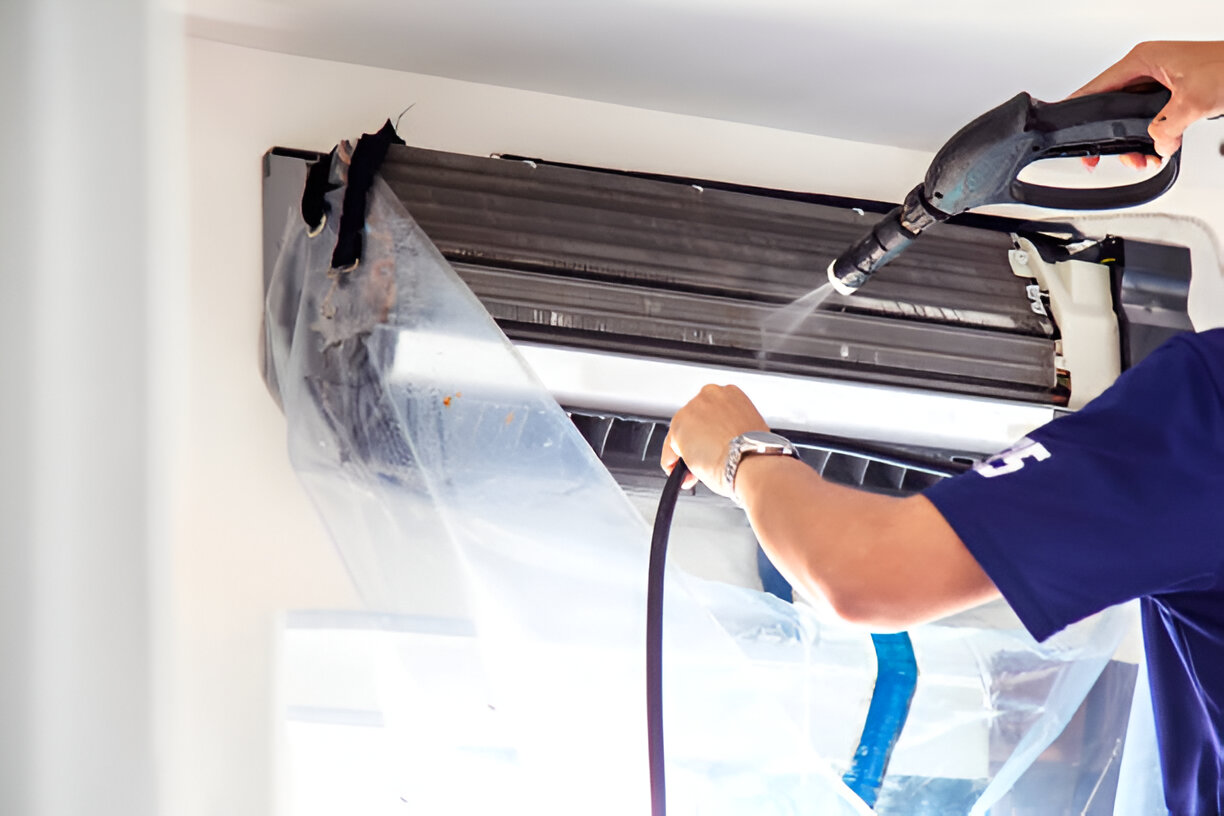
Why a mini-split inspection matters in The Woodlands, TX
The Woodlands climate places unique demands on mini-split systems. High humidity increases the risk of coil corrosion, mold growth in drains and condensate pans, and reduced cooling capacity. Pollen loads and construction dust can clog filters and indoor units. Frequent use during long cooling seasons accelerates compressor and fan motor wear. Inspections help preserve efficiency, avoid indoor comfort issues, and protect against refrigerant leaks that reduce performance while harming equipment longevity.
Common mini-split issues in The Woodlands, TX
- Reduced cooling or inconsistent temperatures in rooms
- Unusual noises from outdoor condenser or indoor heads
- Weak airflow from wall or ceiling units
- Excessive cycling or short run-times that raise energy use
- Visible moisture, water stains, or mold near indoor units and drain lines
- Refrigerant leaks indicated by drop in cooling capacity or hissing sounds
- Dirty coils, clogged filters, and blocked condensate drains
- Outdoor condenser corrosion or debris from storms and landscaping
These are the issues inspectors find most often in The Woodlands homes. Early detection prevents small problems from becoming expensive repairs.
Types of inspections offered
- Pre-season inspection
- Focuses on readiness before peak cooling months
- Verifies efficiency, refrigerant charge, and refrigerant lines
- Cleans coils and filters and confirms proper drainage
- Pre-purchase inspection
- Objective assessment for home buyers and sellers
- Documents system age, capacity, defects, and likely remaining useful life
- Includes written notes on repairs or upgrades needed for safe operation
- Performance assessment
- Measured airflow, temperature split, and system run characteristics
- Identifies signs of compressor stress, improper thermostat settings, or ductless zoning problems
- Leak and safety check
- Refrigerant leak detection using electronic detectors or ultraviolet dye
- Electrical inspection for loose connections, overloaded circuits, and safety switches
- Drainage and condensate safety to prevent water intrusion and mold
What a professional inspection includes
- Visual inspection of indoor heads, outdoor units, and line-sets for damage, corrosion, or debris
- Filter inspection and cleaning or replacement recommendations
- Coil cleaning or inspection for scale, corrosion, and biological growth
- Measurement of refrigerant pressures and temperatures to verify proper charge
- Airflow assessment at indoor units to confirm fan and motor function
- Electrical checks including voltage, amperage, and safe wiring connections
- Condensate drain inspection and clearing, plus trap and float switch checks
- Refrigerant leak detection and documentation if a leak is suspected
- Operational test under load to observe cycling behavior and temperature control
- Written report with prioritized recommendations for repairs, parts, and efficiency upgrades
How leak and safety checks are handled
Refrigerant leaks are a primary cause of poor cooling and system stress. Technicians use electronic leak detectors and may apply ultraviolet dye for hard to find leaks. If a leak is confirmed, the inspection report will document location, likely cause, and estimated repair options. Safety checks include verifying that disconnects and breakers are correct, wiring is secure, and that the outdoor unit has adequate clearance from vegetation and debris. Condensate safety covers trap integrity and functioning safety switches to prevent overflow and indoor water damage.
Written reports and recommended repairs or upgrades
Every inspection results in a clear written report that sets out:
- Findings in plain language with photographs when relevant
- Safety issues that require immediate attention
- Recommended repairs prioritized by urgency
- Suggested upgrades that improve efficiency or extend life, for example
- Recharging refrigerant when leaks are repaired
- Replacing failing compressors or fan motors
- Upgrading to higher efficiency line-sets or improved condensate management
- Estimated remaining service life and factors influencing replacement decisions
These reports help homeowners in The Woodlands make informed decisions about repair timing, budgeting, and whether replacement is the better long-term choice.
How inspections factor into maintenance plans and replacement decisions
Inspections provide the data needed to create a proactive maintenance plan. Regular pre-season inspections optimize performance and reduce energy bills by ensuring refrigerant levels, airflow, and electrical systems are correct. For older systems, inspection findings clarify whether investing in repairs makes sense or if replacement will be more cost effective given frequent failures or poor efficiency. For homes in The Woodlands, considerations include:
- Frequency of use during long cooling seasons
- Humidity-related corrosion and biological growth risks
- Local energy costs and potential savings from higher efficiency equipmentAn inspection-based maintenance plan extends equipment life, reduces emergency repairs, and improves indoor comfort consistently.
Repair and solution options explained simply
- Refrigerant leaks: locate leak, repair or replace damaged line, evacuate and recharge system to manufacturer specifications
- Electrical faults: tighten or replace connections, test and replace capacitors, contactors, or breakers as needed
- Airflow problems: clean or replace filters, clear obstructions, repair indoor fan motors, or adjust fan settings
- Drainage issues: clear condensate lines, repair traps, replace malfunctioning safety switches, and remediate any mold growth
- Inefficient compressor or outdoor unit failures: evaluate repair versus replacement based on age, cost, and expected remaining life
Each repair recommendation in your inspection report will include the reason behind it and how it affects system performance and long-term cost.
Maintenance advice specific to The Woodlands homeowners
- Schedule a pre-season inspection each spring to avoid peak-season failures
- Keep outdoor units clear of mulch, leaves, and shrubbery after storms and landscaping work
- Replace filters seasonally or as recommended by system use and indoor air quality needs
- Monitor indoor heads for water stains or musty odors which indicate drainage or mold problems
- Consider routine inspections more often for units older than eight years to track degradation
FAQs
Q: How often should I have a mini-split inspection in The Woodlands, TX?
A: At minimum once per year, ideally before the cooling season. Homes with heavy year-round use or older systems may benefit from inspections twice a year.
Q: Will an inspection tell me if my mini-split needs replacement?
A: Yes. An inspection will evaluate performance, frequency of repairs, and estimated remaining life to help you determine if repair or replacement makes more sense financially and for reliability.
Q: What signs at home indicate I should schedule an inspection right away?
A: Signs include reduced cooling, odd noises, uneven temperatures, visible water or mold near indoor units, or a noticeable rise in energy bills.
Q: Does the inspection include checks for refrigerant leaks?
A: Yes. Leak detection with electronic tools and visual inspection of line-sets and connections are standard parts of a thorough inspection.
Q: Are written reports included with inspections?
A: A professional inspection will include a written report detailing findings, photos when applicable, and prioritized repair or upgrade recommendations.
Maintenance Plan You Can Rely On
Basic Care
Perfect for newer systems or budget-conscious homeowners wanting essential protection.
$149/year

Annual comprehensive system inspection
Filter replacement (standard filters included)
15% discount on repairs
Priority scheduling within 48 hours
Premium Protection
Ideal for homes with systems 5+ years old or with moderate usage patterns.
$249/year

Bi-annual system inspections (spring & fall)
Filter replacement (premium filters included)
25% discount on all repairs
Priority scheduling within 24 hours
Free diagnostic fees ($89 value)
Elite Coverage
Best for older systems, luxury homes, or properties with critical climate control needs.
$349/year
Quarterly system inspections
All filters and minor parts included
30% discount on major repairs
Same-day emergency service
Extended 2-year warranty on repairs
Annual system efficiency optimization
Basic Care
Perfect for newer systems or budget-conscious homeowners wanting essential protection.
$149/year
Annual comprehensive system inspection
Filter replacement (standard filters included)
15% discount on repairs
Priority scheduling within 48 hours
Premium Protection
Ideal for homes with systems 5+ years old or with moderate usage patterns.
$249/year
Bi-annual system inspections (spring & fall)
Filter replacement (premium filters included)
25% discount on all repairs
Priority scheduling within 24 hours
Free diagnostic fees ($89 value)
Elite Coverage
Best for older systems, luxury homes, or properties with critical climate control needs.
$349/year
Quarterly system inspections
All filters and minor parts included
30% discount on major repairs
Same-day emergency service
Extended 2-year warranty on repairs
Annual system efficiency optimization
Hear What Our Satisfied Clients Have To Say