
Mini Split Maintenance in Willis, TX
Mini-split maintenance in Willis, TX keeps systems efficient and reliable. Schedule a professional service to extend life and reduce energy use. Learn more.
Scroll down to discover more

Keeping your mini-split system running at peak performance is essential in Willis, TX, where Stat Air Care Air Conditioning & Heating understands that long, humid summers and seasonal pollen put heavy demand on cooling equipment. Regular preventative maintenance protects comfort, lowers operating costs, and helps avoid emergency breakdowns during the hottest months.
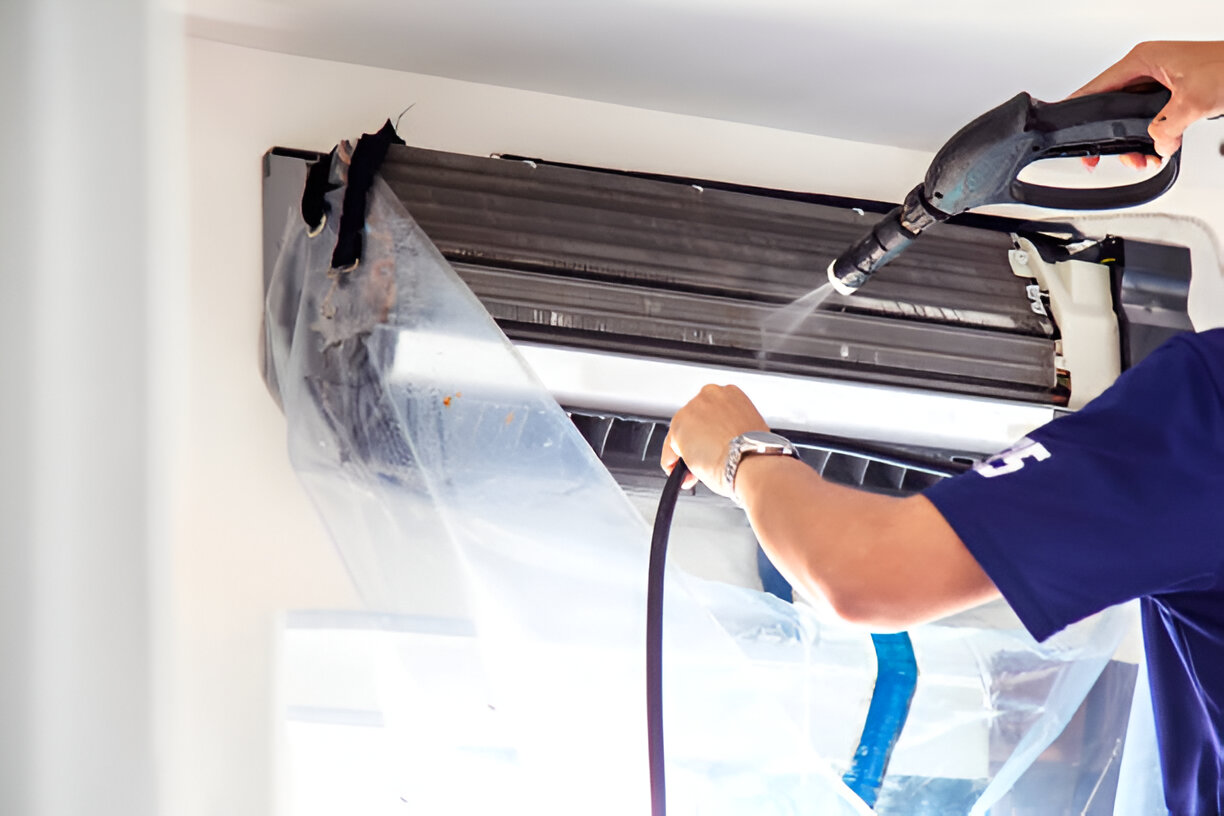
Common mini-split problems in Willis, TX
- Clogged filters and reduced airflow. High pollen counts and household dust in East Texas quickly dirty filters and indoor heads, reducing efficiency and comfort.
- Drainage and condensate problems. Humidity leads to heavy condensate that can clog drain lines or overflow drip pans, causing indoor leaks and mold growth.
- Refrigerant issues. Undetected leaks or incorrect refrigerant charge reduce cooling capacity and increase runtime.
- Electrical faults and worn connections. Seasonal storms and power fluctuations can stress electrical components, causing tripped breakers or intermittent operation.
- Outdoor unit debris or corrosion. Leaves, grass, and insects can restrict airflow to the condenser. Persistent moisture accelerates corrosion on fittings.
- Frost or frozen evaporator coils. Restricted airflow or low refrigerant can cause coils to ice over, reducing output and risking compressor damage.
Seasonal maintenance checklist
Professional mini-split maintenance follows a consistent, thorough checklist designed to catch small issues before they become large problems. Key tasks include:
- Clean or replace washable filters and check filter frames for damage.
- Clean indoor evaporator coils and accessible drain pans.
- Inspect and clear condensate drain lines and condensate pump operation.
- Verify refrigerant charge and pressure readings using proper gauges.
- Inspect refrigerant lines and fittings for signs of leaks or corrosion.
- Test electrical connections, contactors, capacitors, and breakers for proper operation and secure terminals.
- Measure airflow and blower operation to confirm proper distribution.
- Clean condenser fins and straighten any bent fins on the outdoor unit.
- Check outdoor unit mounting, vibration isolation, and clearance for adequate airflow.
- Inspect remote or control wiring and test system controls and safety switches.
- Look for signs of refrigerant oil or moisture that indicate leaks or other faults.
Recommended maintenance frequency and plan options
For Willis conditions, most technicians recommend at least two professional maintenance visits per year:
- Spring visit focused on cooling readiness: clean coils, confirm refrigerant and pressures, verify drainage, and test electricals.
- Fall visit before heating season if the unit provides heat, or a second cooling-season tune-up for high-use systems.
Typical plan options (descriptive, not pricing) include:
- Single seasonal tune-up: one thorough inspection and basic cleaning.
- Annual inspection: full diagnostic and targeted cleaning once per year.
- Biannual preventative plan: two scheduled visits per year, filter servicing, prioritized diagnostic checks, and documented service reports.
- Premium care plan: biannual visits plus preventive parts checks, seasonal performance testing, and maintenance reminders.
Diagnostics and the technician process
A professional mini-split inspection is systematic and diagnostic-focused:
- Visual inspection of indoor and outdoor units to identify obvious damage or blockage.
- Electrical check including voltage and amp draw to confirm safe operation.
- Refrigerant pressure and temperature checks to determine proper charge and identify leaks.
- Airflow and temperature split measurement to assess cooling performance.
- Coil and filter cleaning with appropriate cleaners and methods to avoid damage.
- Drain system flush and verification of condensate removal.
- Safety control tests and documentation of any findings with recommended next steps.
Technicians use calibrated tools and follow manufacturer guidelines so any work maintains system reliability and supports warranty requirements.
Performance, efficiency, and life-extension benefits
Routine maintenance delivers measurable benefits:
- Improved efficiency and lower energy consumption because clean coils and correct refrigerant charge reduce run times.
- More consistent comfort and better temperature control across zones.
- Fewer emergency repairs by catching issues like refrigerant leaks or failing capacitors early.
- Extended equipment life. When fans, motors, and compressors operate under optimal conditions, wear is reduced and lifespan increases.
- Better indoor air quality by removing dust, pollen, and microbial build-up from coils and filters.
How maintenance extends equipment life
Maintenance reduces stress on key components. Proper refrigerant levels prevent the compressor from overheating. Clean coils and unobstructed airflow reduce motor and fan strain. Secure electrical connections avoid premature failure of contactors and capacitors. Clearing drain lines prevents corrosion and mold that can damage indoor components. Over time, these actions decrease the frequency of major repairs and defer the cost of full replacement.
Local considerations for Willis, TX homes
Willis homeowners should pay attention to local factors that affect mini-splits:
- Heat and humidity. High summer humidity increases condensate and risk of mold. Ensure drain lines and pans are checked regularly.
- Pollen and seasonal allergens. Filters may need more frequent attention during spring and fall.
- Storms and power variability. Electrical inspections after severe weather can identify stress or damage from surges.
- Landscaping and outdoor placement. Keep outdoor units free from vegetation and debris, and avoid placing them in areas that trap hot exhaust air.
Maintenance tips you can do between professional visits
- Clean or rinse washable filters monthly during heavy-use periods.
- Keep outdoor unit clear of leaves, grass, and stored items.
- Wipe dust from indoor heads and check for unusual noises or odors.
- Monitor performance and note any longer-than-normal run times, unusual cycling, or water leaks.
- If you suspect a refrigerant leak or electrical problem, schedule a professional diagnostic rather than attempting refrigerant or electrical repairs yourself.
FAQs
Q: How often should my mini-split be serviced?
A: Most Willis homes benefit from professional service twice a year, once before peak cooling season and once later in the year. High-use systems or allergy-prone households may need more frequent filter cleaning.
Q: Can I service my mini-split myself?
A: Homeowners can clean washable filters and keep outdoor debris cleared. Refrigerant checks, electrical testing, and detailed coil cleaning should be handled by trained technicians.
Q: What happens if refrigerant charge is low?
A: Low refrigerant reduces cooling capacity and can cause the compressor to overwork and fail. A technician will test pressures, locate and repair leaks if present, and restore proper charge.
Q: Will regular maintenance affect my warranty?
A: Many manufacturers require documented routine maintenance to keep warranties valid. Keep service records and follow manufacturer-recommended schedules.
Q: How long does a typical maintenance visit take?
A: A standard tune-up is usually 45 to 90 minutes depending on system size, number of indoor heads, and any issues discovered during inspection.
Maintenance Plan You Can Rely On
Basic Care
Perfect for newer systems or budget-conscious homeowners wanting essential protection.
$149/year

Annual comprehensive system inspection
Filter replacement (standard filters included)
15% discount on repairs
Priority scheduling within 48 hours
Premium Protection
Ideal for homes with systems 5+ years old or with moderate usage patterns.
$249/year

Bi-annual system inspections (spring & fall)
Filter replacement (premium filters included)
25% discount on all repairs
Priority scheduling within 24 hours
Free diagnostic fees ($89 value)
Elite Coverage
Best for older systems, luxury homes, or properties with critical climate control needs.
$349/year
Quarterly system inspections
All filters and minor parts included
30% discount on major repairs
Same-day emergency service
Extended 2-year warranty on repairs
Annual system efficiency optimization
Basic Care
Perfect for newer systems or budget-conscious homeowners wanting essential protection.
$149/year
Annual comprehensive system inspection
Filter replacement (standard filters included)
15% discount on repairs
Priority scheduling within 48 hours
Premium Protection
Ideal for homes with systems 5+ years old or with moderate usage patterns.
$249/year
Bi-annual system inspections (spring & fall)
Filter replacement (premium filters included)
25% discount on all repairs
Priority scheduling within 24 hours
Free diagnostic fees ($89 value)
Elite Coverage
Best for older systems, luxury homes, or properties with critical climate control needs.
$349/year
Quarterly system inspections
All filters and minor parts included
30% discount on major repairs
Same-day emergency service
Extended 2-year warranty on repairs
Annual system efficiency optimization
Hear What Our Satisfied Clients Have To Say