
AC Installation in The Woodlands, TX
Discover efficient HVAC solutions in The Woodlands, TX. Upgrade your cooling system with professional installation and tailored energy-saving options.
Scroll down to discover more

Air Conditioning Installation in The Woodlands, TX | Stat Air Care Air Conditioning & Heating
Installing a new air conditioning system is one of the most important home improvement decisions for The Woodlands homeowners, and Stat Air Care Air Conditioning & Heating is here to help. With long, humid summers, high cooling demand, and tightly built homes surrounded by trees, selecting the right system and having it professionally installed will determine comfort, indoor air quality, and monthly energy costs for years.
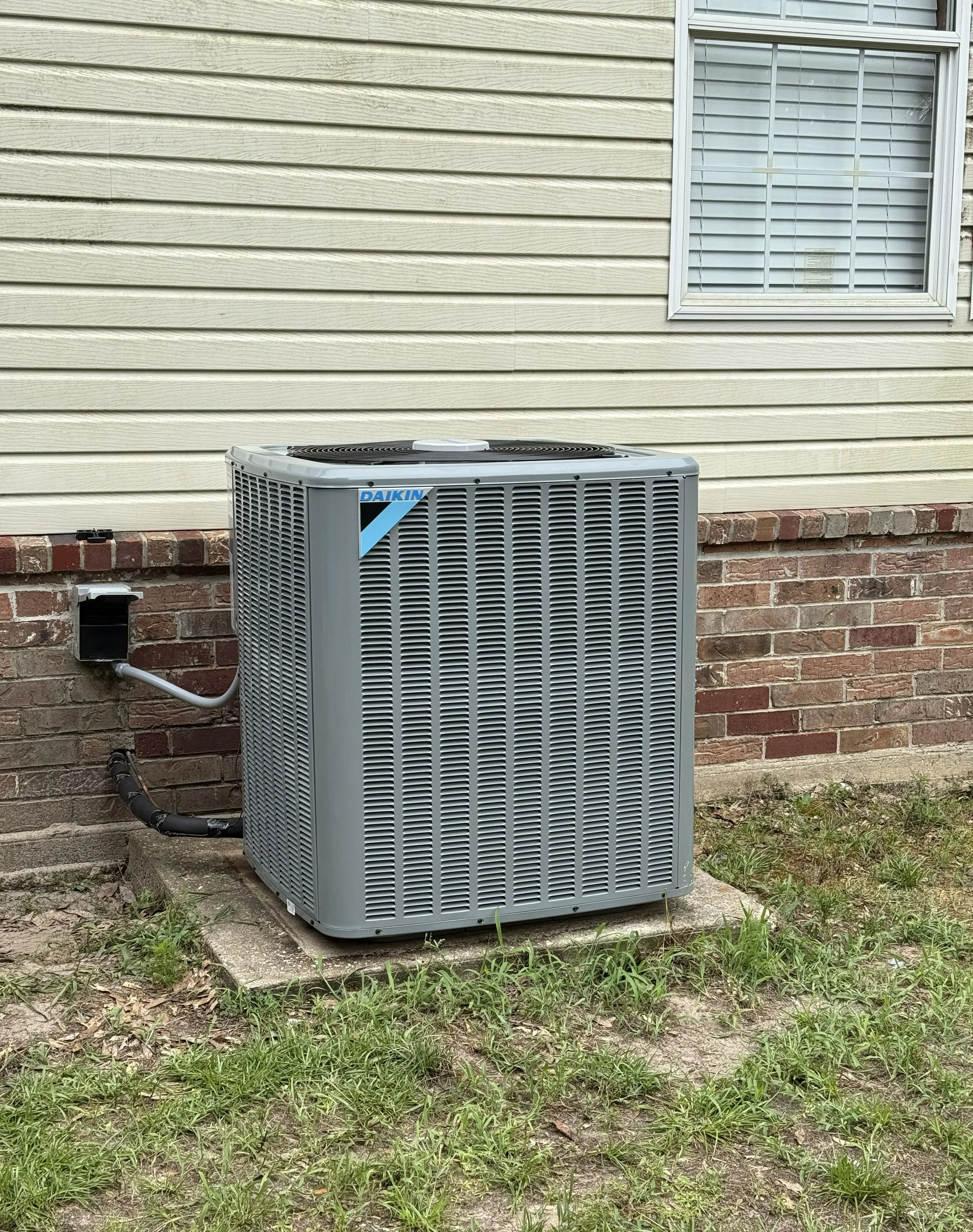
Why replacement or new installation makes sense in The Woodlands, TX
- Older systems lose efficiency, increasing cooling costs during The Woodlands extended cooling season.
- High humidity and persistent heat make accurate sizing and moisture control essential to avoid mold and uneven comfort.
- Phase outs of older refrigerants have made repairs for some legacy systems expensive or impractical.
- Improperly sized or installed systems struggle to handle shaded, tree-lined lots and homes with large glass areas common in the area.
If your system is more than 10 to 15 years old, needs frequent repairs, or can’t keep rooms comfortable, a planned installation is often the smartest route.
Common new installation needs and issues in The Woodlands
- Full system replacement (outdoor condenser + indoor coil + air handler or furnace)
- Upgrading to higher efficiency models for lower utility bills and improved humidity control
- Replacing failing compressors or coils when repair is not cost effective
- Ductwork repair or sealing to address attic leaks and attic-to-living-space heat transfer
- Adding zoning or a smart thermostat for multi-level homes and varying occupancy patterns
Initial consultation and load calculation
A professional installation starts with a thorough on-site consultation and an accurate load calculation. This is not a cookie-cutter sizing approach. Technicians will:
- Perform a Manual J load calculation to determine the exact cooling capacity your home requires. This calculation takes into account: square footage, insulation levels, window orientation and size, number of occupants, local design temperature, and shade from trees common in The Woodlands properties.
- Inspect ductwork condition, attic insulation, and air infiltration that affect system performance.
- Discuss comfort priorities such as humidity control, quiet operation, and energy savings expectations.
An accurate load calculation prevents oversized systems that short-cycle and undersized systems that run constantly and fail to dehumidify.
Equipment selection with energy-efficiency considerations
Choosing the right equipment means balancing initial cost, long-term energy savings, and humidity control:
- SEER rating and efficiency: Higher SEER equipment reduces energy use during The Woodlands long cooling season. Modern variable-speed compressors offer better comfort and dehumidification than single-stage systems.
- Match components: Indoor coil, air handler and outdoor unit must be matched for proper refrigerant charge and performance.
- Airflow and filtration: Proper blower sizing and high-quality filters improve indoor air quality in tree-lined neighborhoods where pollen and particulates are common.
- Ductwork upgrades: Sealing and insulating ducts—especially in attics—improves efficiency and lowers operating costs.
Technicians will present equipment options aligned with your load calculation and performance goals, explaining long-term savings and expected comfort outcomes.
Site preparation and professional installation steps
A well-executed installation follows clear, industry-standard steps:
- Site preparation: level outdoor pad placement, clearance for airflow, and protection from vegetation common to The Woodlands yards.
- Removal of old equipment: safe disconnect and disposal consistent with refrigerant regulations.
- Ductwork preparation: sealing and necessary modifications to ensure proper airflow and static pressure.
- System installation: mounting condenser and indoor coil/air handler, connecting refrigerant and electrical, and insulating lines.
- Refrigerant charging and airflow balancing: achieving the correct refrigerant charge and measuring airflow to manufacturer specs.
- Thermostat setup and communication: configuring controls, programmable or smart thermostats for zoning and efficiency.
Installations that skip proper sealing, charge, or airflow checks are the most common cause of poor performance and early failures.
System startup, commissioning, warranty registration
Commissioning ensures the system performs as intended:
- Verify refrigerant charge, compressor operation, and superheat/subcooling values.
- Measure supply and return temperatures to confirm cooling capacity and dehumidification.
- Test electrical connections and safety controls.
- Calibrate thermostat and verify zoning or multi-stage sequencing.
- Walk through system operation and maintenance needs with the homeowner.
Once installed and commissioned, equipment should be registered with the manufacturer to validate warranties. Typical coverage includes a manufacturer parts warranty and a labor warranty from the installing contractor. Keep documentation of model numbers and warranty paperwork for future service.
Financing options and incentives
Many homeowners find financing helps make higher-efficiency systems affordable. Common options include:
- Low-interest financing plans through third-party lenders or installer-arranged programs.
- Seasonal manufacturer or dealer incentives and rebates that can lower initial cost.
- Potential utility rebates for high-efficiency equipment—local utilities in Southeast Texas sometimes offer incentives for energy-efficient replacements.
Ask your installer about current financing and incentive programs so you can evaluate lifecycle costs alongside upfront investment.
Post-installation support and maintenance
Proper care after installation preserves comfort and efficiency:
- Recommended maintenance: biannual tune-ups to clean coils, verify refrigerant levels, inspect electrical components, and change filters.
- Filter guidance: use recommended MERV-rated filters and replace them regularly to protect the coil and maintain airflow.
- Warranty services: understand what is covered and what routine maintenance is required to keep warranties valid.
- Emergency response and repairs: prompt service minimizes downtime during The Woodlands hottest months.
A planned maintenance agreement extends equipment life and keeps seasonal performance steady.
Long-term benefits of a professional installation
A correctly sized, professionally installed air conditioner provides:
- Consistent comfort and better humidity control throughout long, humid summers.
- Lower operating costs through improved efficiency and reduced refrigerant or compressor strain.
- Fewer emergency repairs and longer equipment lifespan when combined with routine maintenance.
- Improved indoor air quality by ensuring proper filtration and airflow.
Choosing the right system and a methodical installation process translates into dependable cooling, predictable energy bills, and peace of mind in The Woodlands climate.
Maintenance Plan You Can Rely On
Basic Care
Perfect for newer systems or budget-conscious homeowners wanting essential protection.
$149/year

Annual comprehensive system inspection
Filter replacement (standard filters included)
15% discount on repairs
Priority scheduling within 48 hours
Premium Protection
Ideal for homes with systems 5+ years old or with moderate usage patterns.
$249/year

Bi-annual system inspections (spring & fall)
Filter replacement (premium filters included)
25% discount on all repairs
Priority scheduling within 24 hours
Free diagnostic fees ($89 value)
Elite Coverage
Best for older systems, luxury homes, or properties with critical climate control needs.
$349/year
Quarterly system inspections
All filters and minor parts included
30% discount on major repairs
Same-day emergency service
Extended 2-year warranty on repairs
Annual system efficiency optimization
Basic Care
Perfect for newer systems or budget-conscious homeowners wanting essential protection.
$149/year
Annual comprehensive system inspection
Filter replacement (standard filters included)
15% discount on repairs
Priority scheduling within 48 hours
Premium Protection
Ideal for homes with systems 5+ years old or with moderate usage patterns.
$249/year
Bi-annual system inspections (spring & fall)
Filter replacement (premium filters included)
25% discount on all repairs
Priority scheduling within 24 hours
Free diagnostic fees ($89 value)
Elite Coverage
Best for older systems, luxury homes, or properties with critical climate control needs.
$349/year
Quarterly system inspections
All filters and minor parts included
30% discount on major repairs
Same-day emergency service
Extended 2-year warranty on repairs
Annual system efficiency optimization
Hear What Our Satisfied Clients Have To Say