
Heating Inspection in Spring, TX
Get a professional heating inspection in Spring, TX to boost safety, efficiency, and provide a clear report for home sales.
Scroll down to discover more

A professional heating inspection in Spring, TX with Stat Air Care Air Conditioning & Heating gives you a clear, actionable picture of your home’s heating system safety, performance, and longevity. Even though winters in Spring are short compared with northern climates, homeowners still face occasional cold snaps and persistent humidity that can affect system performance. A full-system inspection protects your family from safety risks like carbon monoxide, uncovers efficiency losses that raise energy bills, and documents condition for home sales or routine maintenance records.
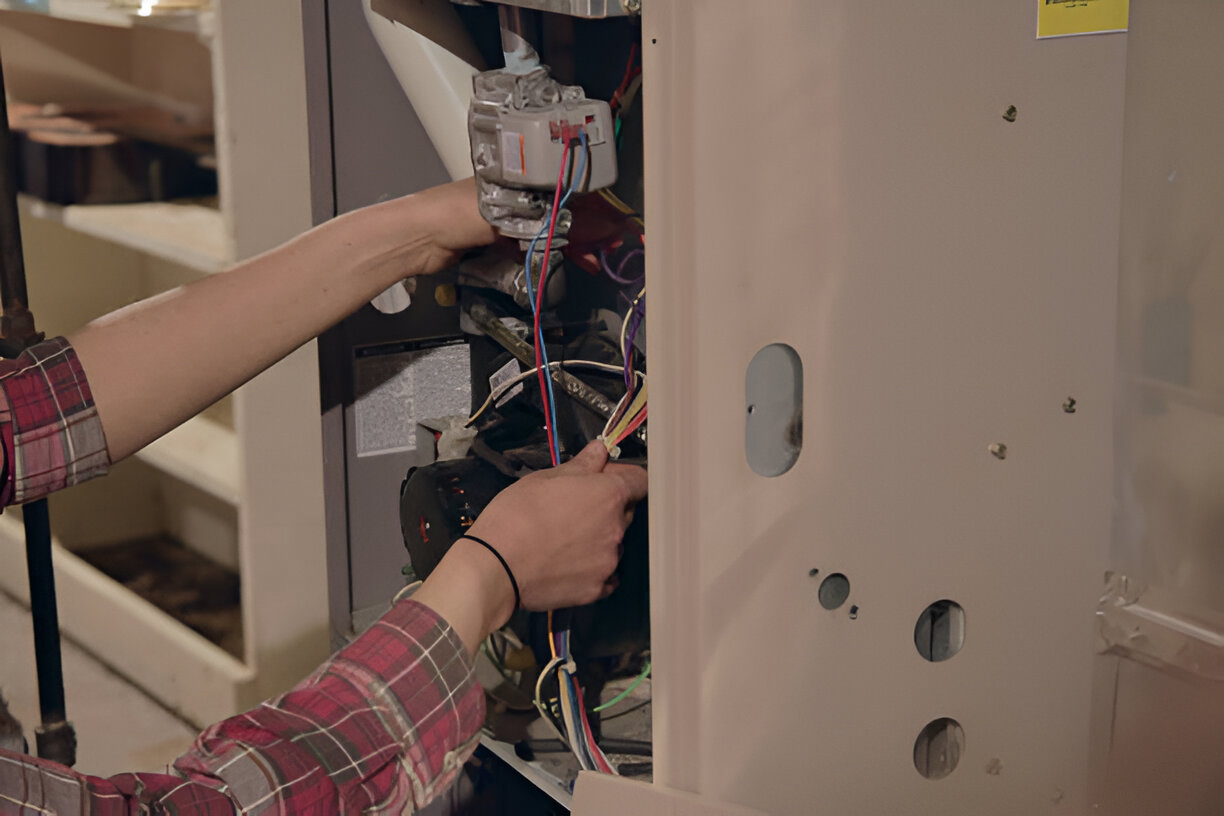
Why a heating inspection matters in Spring, TX
- Safety first: Natural gas furnaces and older systems can develop combustion or venting problems that risk carbon monoxide exposure. Combustion and flue inspections are critical.
- Humidity and corrosion: High year-round humidity in the Houston metro area can accelerate rust and electrical connection issues in outdoor and attic equipment.
- Infrequent use hazards: Heating systems in Spring often run less frequently than cooling systems. Limited use can mask issues until the first cold spell, leading to breakdowns when you need heat most.
- Home sale and insurance needs: Buyers and insurers expect documented inspections showing system condition and recommended repairs.
Common heating inspection issues in Spring, TX
- Dirty or clogged air filters reducing airflow and system efficiency
- Weak or uneven airflow from ducts due to leaks, blockages, or disconnected runs
- Improper combustion, cracked heat exchangers, or flue-blocking that create safety hazards
- Faulty ignition or control components causing intermittent operation
- Corroded burners, pilot assemblies, or outdoor condensing unit corrosion
- Thermostat calibration or wiring problems causing temperature swings
- Inadequate insulation or ductwork in attics leading to heat loss and efficiency loss
- Incompatible or aging heat pump components (reverse-cycle systems common locally)
What a full-system heating inspection covers
A comprehensive heating inspection evaluates the entire heating pathway from controls to heat distribution. Typical inspection components include:
- System startup and operation check: Observe multiple start cycles, check ignition sequence, and confirm safe operation under load.
- Combustion and venting inspection: Test for correct combustion, inspect the heat exchanger for cracks, verify flue and vent paths are clear and properly sealed.
- Safety controls and sensors: Test limit switches, flame sensors, carbon monoxide detectors (if present), and other safety interlocks.
- Heat output and efficiency assessment: Measure temperature rise across the heat exchanger or heat pump performance to confirm efficient operation.
- Airflow and duct inspection: Check filters, blower motor operation, static pressure, register airflow, and visible duct integrity.
- Electrical and mechanical condition: Inspect wiring, contactors, capacitors, belts (if applicable), motors and signs of corrosion or wear.
- Indoor air quality considerations: Look for moisture/mold issues in equipment closets and recommend filtration or dehumidification where needed.
- Documentation and recommendations: Provide an inspection report detailing findings, urgency levels, and recommended repairs or upgrades.
Typical diagnostic process
- Visual inspection of equipment, ductwork, and combustion areas.
- Startup tests to observe operation, noises, and response to thermostat changes.
- Measurement of temperatures, pressures, and electrical values as applicable.
- Combustion analysis or CO checks if fuel-burning equipment is present.
- Duct and airflow measurements to detect leaks or blockages.
- Final review and preparation of an inspection report with prioritized recommendations.
Repairs and upgrade considerations explained
When issues are identified, repairs range from simple maintenance to component replacement or system upgrades. Common fixes include:
- Replacing dirty filters and cleaning blower assemblies to restore airflow.
- Sealing duct leaks or adding insulation to improve even heating and efficiency.
- Replacing faulty ignition modules, limit switches, or thermostats to restore reliable operation.
- Repairing or replacing corroded burners and addressing minor venting obstructions.
- Replacing cracked or compromised heat exchangers—an urgent safety repair in fuel-burning systems.
- Upgrading to a higher-efficiency furnace or converting to a heat pump for better long-term energy performance in mild climates like Spring.
Repairs are prioritized based on safety, reliability, and efficiency impact. Safety issues such as a cracked heat exchanger or dangerous venting receive immediate attention, while efficiency upgrades may be recommended as planned improvements.
Inspection reporting and suitability for home sales
A professional inspection report should be clear, itemized, and suitable for inclusion in a home sale packet. Useful elements include:
- System identification (make, model, age, and serial number)
- Summary of operational condition and safety findings
- Photographs of critical components or deficiencies
- Recommended repairs ranked by urgency and expected lifespan impact
- Notes on maintenance history and any improvements that would increase sale value
Buyers and sellers in Spring, TX often rely on these reports to negotiate repairs, price adjustments, or to schedule prioritized work before closing.
Benefits of regular heating inspections
- Reduced risk of sudden breakdowns during cold weather
- Lower energy bills by restoring proper airflow and combustion efficiency
- Extended equipment life through early detection of wear or corrosion
- Peace of mind from confirmed safety and proper ventilation
- Documentation that supports real estate transactions or insurance requirements
Maintenance tips for Spring, TX homes
- Replace or clean filters every 1 to 3 months during the heating season and at least quarterly year-round if you have pets or high pollen.
- Keep vents and returns clear of furniture and debris to maintain proper airflow.
- Schedule inspections before the first cold snap and annually thereafter to catch issues caused by seasonal humidity or off-season inactivity.
- Ensure carbon monoxide detectors are installed near sleeping areas and tested regularly.
- Consider a tune-up that includes blower cleaning, combustion adjustment, and thermostat calibration to maximize efficiency.
Q: How often should I schedule a heating inspection in Spring, TX?
A: Annual inspections are recommended, ideally before the heating season, with additional checks after any major system repairs or prolonged inactivity.
Q: Will an inspection include carbon monoxide testing?
A: Yes, inspections for fuel-burning systems typically include combustion and carbon monoxide checks to verify safe combustion and venting.
Q: Can a heating inspection help with a home sale in Spring, TX?
A: Yes, the inspection report documents system condition and recommended repairs and is commonly used to support disclosures and negotiations during a home sale.
Q: Do heat pumps require the same inspection items as furnaces?
A: Many inspection elements overlap—airflow, electrical components, controls, and refrigerant circuit checks for heat pumps—but combustion and flue inspections are specific to fuel-burning systems.
Q: What signs indicate I need an inspection now rather than waiting?
A: Unusual odors, strange noises, frequent cycling, uneven heating, visible rust or leaks, or a carbon monoxide detector alarm are all reasons to request an immediate inspection.
Maintenance Plan You Can Rely On
Basic Care
Perfect for newer systems or budget-conscious homeowners wanting essential protection.
$149/year

Annual comprehensive system inspection
Filter replacement (standard filters included)
15% discount on repairs
Priority scheduling within 48 hours
Premium Protection
Ideal for homes with systems 5+ years old or with moderate usage patterns.
$249/year

Bi-annual system inspections (spring & fall)
Filter replacement (premium filters included)
25% discount on all repairs
Priority scheduling within 24 hours
Free diagnostic fees ($89 value)
Elite Coverage
Best for older systems, luxury homes, or properties with critical climate control needs.
$349/year
Quarterly system inspections
All filters and minor parts included
30% discount on major repairs
Same-day emergency service
Extended 2-year warranty on repairs
Annual system efficiency optimization
Basic Care
Perfect for newer systems or budget-conscious homeowners wanting essential protection.
$149/year
Annual comprehensive system inspection
Filter replacement (standard filters included)
15% discount on repairs
Priority scheduling within 48 hours
Premium Protection
Ideal for homes with systems 5+ years old or with moderate usage patterns.
$249/year
Bi-annual system inspections (spring & fall)
Filter replacement (premium filters included)
25% discount on all repairs
Priority scheduling within 24 hours
Free diagnostic fees ($89 value)
Elite Coverage
Best for older systems, luxury homes, or properties with critical climate control needs.
$349/year
Quarterly system inspections
All filters and minor parts included
30% discount on major repairs
Same-day emergency service
Extended 2-year warranty on repairs
Annual system efficiency optimization
Hear What Our Satisfied Clients Have To Say