
Heating Maintenance in Spring, TX
Spring, TX heating maintenance keeps your system efficient and safe; schedule preventative service now for comfort and warranty protection.
Scroll down to discover more

Keeping your heating system tuned and reliable matters in Spring, TX, and Stat Air Care Air Conditioning & Heating is here to help, even though winters are milder than in northern states. High humidity, heavy pollen seasons, coastal air salt exposure, and occasional cold snaps can accelerate wear, reduce efficiency, and create safety risks in furnaces and heat pumps commonly used in local homes. A comprehensive heating maintenance program tailored to Spring homes prevents unexpected breakdowns during the few cold days that matter most, extends equipment life, and preserves system efficiency and indoor air quality.
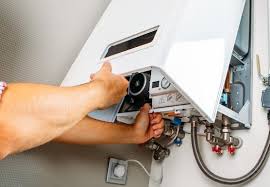
Why heating maintenance matters in Spring, TX homes
- Humidity and pollen: Excess moisture and seasonal allergens settle on coils, burners, and filters, increasing strain and reducing airflow. Regular cleaning prevents mold growth and maintains efficiency.
- Coastal and humid air effects: Corrosion risk for outdoor components and electrical contacts is higher in the Houston metro area, so inspections and protective treatments are beneficial.
- Occasional cold snaps: Even short runs of heavy use expose weak components. Preventative service reduces the chance of failure when you need heat most.
- Safety and warranty: Annual inspections detect cracks, gas leaks, or failing safety controls and help maintain manufacturer warranty requirements.
Types of heating maintenance programs
- Annual heating tune-up: A focused visit before the heating season to inspect, clean, and test heating components.
- Biannual HVAC service plan: One heating visit and one cooling visit per year for balanced protection and peak efficiency year round.
- Priority service agreements: Scheduled preventative visits plus priority response during high-demand periods, streamlined service records, and quicker dispatch.
- Customized commercial or residential plans: Tailored frequency and checklist items based on system type, age, and usage patterns.
Typical maintenance checklist items
Each scheduled visit follows a consistent checklist to verify safety, performance, and longevity. Typical items include:
- Visual system inspection for rust, corrosion, leaks, and unusual wear
- Replace or inspect filters; recommend proper filter type and schedule
- Clean burners, heat exchanger, and combustion chamber for gas equipment
- Inspect and test ignition system, flame sensor, and pilot assembly
- Measure heat rise and temperature differentials to confirm proper operation
- Check blower motor, fan blades, belts, and bearings; lubricate where applicable
- Inspect electrical connections, capacitors, and relays for signs of damage
- Test safety controls, limit switches, and thermostat calibration
- For heat pumps: check refrigerant levels, reversing valve, defrost cycle, and outdoor coil cleanliness
- Inspect condensate drain lines and pans for blockages or standing water
- Evaluate ductwork for leaks, insulation gaps, and airflow restrictions
- Carbon monoxide testing and combustion analysis where applicable
- Record operating pressures and system performance metrics
How a typical maintenance visit works
- Pre-visit scheduling and history review: Service technicians review prior reports and system history to focus on known issues and warranty needs.
- On-site inspection: Technicians perform the checklist items, observe system behavior, and identify any immediate safety concerns.
- Cleaning and adjustments: Filters, coils, burners, and moving parts are cleaned or adjusted to restore proper airflow and combustion.
- Tests and measurements: Technicians measure temperature rise, electrical loads, and in some cases combustion exhaust to ensure safe, efficient operation.
- Reporting and recommendations: A written service report documents findings, parts replaced, test results, and suggested repairs or upgrades.
- Record keeping: Maintenance logs become part of your home’s service history to support future diagnostics and warranty claims.
Common problems discovered during maintenance in Spring, TX
- Dirty filters and clogged coils from heavy pollen seasons leading to reduced airflow and efficiency
- Corroded outdoor components and electrical terminals due to humid, coastal-influenced air
- Weak or failing capacitors and motors from sustained humidity stress
- Refrigerant imbalances or minor leaks in heat pumps after long cooling seasons
- Cracked heat exchangers or degraded seals in older furnaces identified through inspection and testing
- Duct leaks that allow conditioned air loss and reduce heat delivery to living areas
Benefits and cost-savings of preventative heating maintenance
- Lower energy bills: Clean, tuned systems run more efficiently and use less energy during heating cycles.
- Fewer emergency repairs: Early detection of worn parts prevents costly mid-season failures.
- Extended equipment life: Regular service reduces wear and preserves components for years longer.
- Improved indoor air quality: Clean filters, ducts, and coils reduce allergens and mold spores circulating in your home.
- Consistent comfort: Properly balanced systems maintain even temperatures across rooms.
- Safety assurance: Combustion analysis and carbon monoxide checks reduce the risk of dangerous leaks.
- Documented service history: Maintenance records simplify warranty claims and increase resale value for the home.
Record-keeping and reporting you can expect
A professional maintenance program provides clear, consistent documentation after every visit:
- A checklist of items inspected and actions taken
- Test results such as temperature rise, pressures, and safety control status
- Parts replaced and recommended replacements for future planning
- Photographic evidence for complex issues when needed
- A maintenance log retained across visits to show trends and to prioritize next steps
Long-term maintenance advice for Spring, TX homeowners
- Schedule a pre-winter heating inspection each fall to ensure readiness for cold snaps.
- Replace or clean air filters every 1 to 3 months depending on filter type and pollen loads.
- Keep the outdoor unit clear of debris, mulch, and vegetation to reduce corrosion and airflow restriction.
- Consider a biannual service plan that covers both heating and cooling to maintain year-round reliability.
- Monitor for early warning signs such as uneven heating, strange odors, increased utility bills, or frequent cycling.
- Maintain records of service visits and any parts replaced to protect warranties and support future diagnostics.
Q: How often should I have heating maintenance done in Spring, TX?
A: At minimum, schedule an annual heating tune-up before the first cold spell; best practice is a biannual plan covering one heating and one cooling visit per year to address seasonal stresses.
Q: Will maintenance reduce my energy bills?
A: Yes. Cleaning, calibrating, and replacing worn parts improves system efficiency and airflow, which typically lowers heating energy use.
Q: Does a heat pump need different maintenance than a furnace?
A: Yes. Heat pumps require refrigerant checks, reversing valve and defrost cycle inspections, and outdoor coil care in addition to standard blower and electrical checks.
Q: What safety checks are included with maintenance?
A: Technicians inspect combustion components, test for proper ignition, verify safety controls, and perform carbon monoxide testing where applicable.
Q: Will maintenance extend the life of my heating system?
A: Regular maintenance reduces wear and premature failures and is one of the most effective ways to extend equipment life.
Q: What documentation will I get after a maintenance visit?
A: You should receive a written report summarizing inspections, test results, parts replaced, and recommendations for future servicing.
Maintenance Plan You Can Rely On
Basic Care
Perfect for newer systems or budget-conscious homeowners wanting essential protection.
$149/year

Annual comprehensive system inspection
Filter replacement (standard filters included)
15% discount on repairs
Priority scheduling within 48 hours
Premium Protection
Ideal for homes with systems 5+ years old or with moderate usage patterns.
$249/year

Bi-annual system inspections (spring & fall)
Filter replacement (premium filters included)
25% discount on all repairs
Priority scheduling within 24 hours
Free diagnostic fees ($89 value)
Elite Coverage
Best for older systems, luxury homes, or properties with critical climate control needs.
$349/year
Quarterly system inspections
All filters and minor parts included
30% discount on major repairs
Same-day emergency service
Extended 2-year warranty on repairs
Annual system efficiency optimization
Basic Care
Perfect for newer systems or budget-conscious homeowners wanting essential protection.
$149/year
Annual comprehensive system inspection
Filter replacement (standard filters included)
15% discount on repairs
Priority scheduling within 48 hours
Premium Protection
Ideal for homes with systems 5+ years old or with moderate usage patterns.
$249/year
Bi-annual system inspections (spring & fall)
Filter replacement (premium filters included)
25% discount on all repairs
Priority scheduling within 24 hours
Free diagnostic fees ($89 value)
Elite Coverage
Best for older systems, luxury homes, or properties with critical climate control needs.
$349/year
Quarterly system inspections
All filters and minor parts included
30% discount on major repairs
Same-day emergency service
Extended 2-year warranty on repairs
Annual system efficiency optimization
Hear What Our Satisfied Clients Have To Say