
Heating Repair in Spring, TX
Spring, TX heating repair offers quick diagnostics, emergency response, and reliable parts. Schedule service today for lasting warmth.
Scroll down to discover more

Heating Repair in Spring, TX matters because even mild winters can bring sudden cold snaps that leave homes without safe, reliable heat. Stat Air Care Air Conditioning & Heating provides timely, accurate repairs for gas furnaces, electric furnaces, heat pumps, or packaged units to restore comfort, protect indoor air quality, and prevent expensive failures.
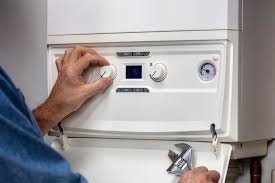
Common heating system failures in Spring, TX
Homes in Spring face unique conditions: high humidity for much of the year, pollen and dust in spring and fall, and occasional intense cold fronts. These factors contribute to several frequent heating issues:
- Ignition and pilot problems - Faulty electronic ignitors or pilot assemblies can prevent furnaces from lighting.
- Thermostat failures - Incorrect readings, dead batteries, or wiring faults cause systems to run erratically or not at all.
- Blower motor and capacitor failures - Motors and start capacitors wear out after years of use, reducing airflow.
- Dirty or restricted air filters and ducts - High pollen and dust loads in Spring can clog filters faster, creating airflow restrictions and overheating.
- Control board and relay faults - Electrical surges during storms can damage controls.
- Gas valve or pressure issues - Corrosion or leaks may cause unsafe operation or inability to heat.
- Heat pump-specific problems - Reversing valve failures, low refrigerant, or compressor issues reduce heating capacity during cool snaps.
- Heat exchanger cracks and corrosion - Humidity and age can accelerate corrosion, leading to efficiency loss or safety concerns.
How a professional diagnostic for heating repair in Spring, TX works
A clear, methodical diagnostic prevents unnecessary repairs and pinpoints the root cause. Typical steps include:
- Visual inspection of the furnace or heat pump, duct openings, and vents for debris, corrosion, and obvious damage.
- Thermostat check, including calibration, wiring, and battery replacement.
- Electrical testing of motors, capacitors, relays, and control boards for continuity and correct voltages.
- Ignition system testing: pilot assembly, spark/ignitor output, and gas valve operation.
- Combustion and flue inspection for gas systems: burner flame quality, flue draft, and carbon monoxide risk.
- Airflow measurement across coils and filters and static pressure assessment to detect duct issues.
- Refrigerant checks for heat pumps and packaged units when heating performance is weak.
- Safety system verification: limit switches, pressure switches, and safety shutoffs.
Diagnoses are documented so you understand the causes, recommended fixes, and whether repair or replacement is the better long-term option.
Emergency heating repair response in Spring, TX
Emergency heating repairs prioritize safety and rapid restoration:
- Safety assessment first: If there is a gas smell, visible soot, yellow flames, or a carbon monoxide alarm activation, the unit is shut down and occupants are advised to evacuate until the situation is secured.
- Fast on-site troubleshooting to stabilize the system and determine whether a temporary repair or full fix is needed.
- Temporary measures such as bypassing a faulty relay or installing a backup thermostat may be used to restore heat while waiting for replacement parts.
- Clear documentation of the problem and the emergency actions taken so follow-up repairs proceed smoothly.
Local technicians in Spring are familiar with regional weather patterns and prioritize quick responses during cold snaps when demand spikes.
Typical repair workflow for heating systems
A structured repair workflow ensures consistency and transparency:
- Initial assessment and safety check - Confirm fuel and power supply, inspect for hazards.
- Detailed diagnostics - Use meters and visual checks to identify failing components.
- Estimate and explanation - Present the findings and repair options, including part choices and expected outcomes.
- Parts procurement - Use OEM or approved aftermarket parts where appropriate.
- Repair or replacement - Perform the work with attention to manufacturer specifications and safety standards.
- System testing - Run the system through cycles to verify operation, airflow, and combustion as needed.
- Cleanup and documentation - Leave the site clean and provide a repair summary and any warranty information.
- Follow-up review - Check-in to ensure the system continues to operate as expected.
Common parts replaced and estimated repair times
Times vary by system and access, but typical estimates for common repairs in Spring, TX homes:
- Thermostat replacement: 30 to 60 minutes
- Air filter replacement: 10 to 20 minutes
- Capacitor replacement: 30 to 90 minutes
- Ignitor or pilot assembly replacement: 45 to 120 minutes
- Blower motor replacement: 2 to 4 hours
- Control board replacement: 1 to 3 hours
- Gas valve replacement: 1 to 3 hours (plus leak testing)
- Compressor or major heat pump component: 4 to 8+ hours (may require certification and refrigerant handling)
- Heat exchanger replacement: Often a major job; may take a full day and sometimes justifies system replacement depending on age and cost
These times assume parts are in stock. If special-order components are needed, repairs can be delayed.
Warranty coverage on repairs
Warranty terms vary by manufacturer and by service provider. Typical arrangements you will encounter in Spring include:
- Manufacturer parts warranties - Range from 1 year to 10 years or more on major components, depending on the manufacturer and model.
- Service provider labor warranties - Often 30 to 180 days on repair labor; length varies by company policy.
- Extended warranties - Some systems have transferable extended warranties when properly registered and maintained.
When planning a repair, request written warranty details for both parts and labor. Keep manufacturer documentation and service records, as regular maintenance is often required to maintain warranty coverage.
Preventing future heating breakdowns in Spring, TX
Routine prevention reduces emergency calls and improves efficiency in the local climate:
- Schedule a professional heating tune-up each fall before the first cold spell to check combustion, airflow, and safety systems.
- Replace or clean air filters every 1 to 3 months, more often during high pollen seasons.
- Keep outdoor units clear of leaves, grass, and pollen buildup that can impair airflow for heat pumps.
- Seal and insulate ducts where possible to minimize heat loss in older Spring homes.
- Install and test carbon monoxide detectors if you use a gas furnace.
- Address odd noises, increased cycles, or uneven heating immediately to avoid larger failures.
- Consider a programmable or smart thermostat to reduce runtime and wear.
Benefits of timely heating repair in Spring, TX
Prompt, professional repairs restore comfort, reduce energy bills, protect indoor air quality, and address safety risks such as gas leaks and carbon monoxide. In Spring homes where humidity and airborne particles accelerate wear, regular attention extends equipment life and prevents inconvenient failures during occasional cold weather.
FAQs
Q: How quickly can a technician diagnose a heating problem in Spring, TX?
A: Many issues can be diagnosed on the first visit within 30 to 90 minutes. Complex problems involving refrigerant or intermittent electrical faults may require extended testing or follow-up visits.
Q: Is my old furnace worth repairing or should I replace it?
A: Consider repair if the system is less than 10 years old and repairs are not extensive. If the heat exchanger is cracked, or the unit is over 15 years old with declining efficiency and frequent breakdowns, replacement is often the more economical long-term choice.
Q: What should I do if I smell gas in my home?
A: Evacuate the home immediately, avoid using electrical switches or phones inside, and call the gas company or emergency services from a safe location. Do not attempt to repair the gas system yourself.
Q: How often should I schedule professional maintenance for my heating system in Spring?
A: Annual maintenance each fall is recommended. Homes with high indoor pollution or older systems may benefit from twice-yearly visits to address both heating and cooling season needs.
Q: Will repairs include a safety inspection for carbon monoxide?
A: Yes. For gas-fired systems, combustion and ventilation checks and carbon monoxide risk assessments are standard parts of professional diagnostics and repairs.
Maintenance Plan You Can Rely On
Basic Care
Perfect for newer systems or budget-conscious homeowners wanting essential protection.
$149/year

Annual comprehensive system inspection
Filter replacement (standard filters included)
15% discount on repairs
Priority scheduling within 48 hours
Premium Protection
Ideal for homes with systems 5+ years old or with moderate usage patterns.
$249/year

Bi-annual system inspections (spring & fall)
Filter replacement (premium filters included)
25% discount on all repairs
Priority scheduling within 24 hours
Free diagnostic fees ($89 value)
Elite Coverage
Best for older systems, luxury homes, or properties with critical climate control needs.
$349/year
Quarterly system inspections
All filters and minor parts included
30% discount on major repairs
Same-day emergency service
Extended 2-year warranty on repairs
Annual system efficiency optimization
Basic Care
Perfect for newer systems or budget-conscious homeowners wanting essential protection.
$149/year
Annual comprehensive system inspection
Filter replacement (standard filters included)
15% discount on repairs
Priority scheduling within 48 hours
Premium Protection
Ideal for homes with systems 5+ years old or with moderate usage patterns.
$249/year
Bi-annual system inspections (spring & fall)
Filter replacement (premium filters included)
25% discount on all repairs
Priority scheduling within 24 hours
Free diagnostic fees ($89 value)
Elite Coverage
Best for older systems, luxury homes, or properties with critical climate control needs.
$349/year
Quarterly system inspections
All filters and minor parts included
30% discount on major repairs
Same-day emergency service
Extended 2-year warranty on repairs
Annual system efficiency optimization
Hear What Our Satisfied Clients Have To Say