
Heating Installation in Spring, TX
Ensure consistent comfort and lower bills with professional heating installation in Spring, TX. Learn about energy-efficient systems and expert recommendations.
Scroll down to discover more

Upgrading or installing a new heating system is a major home decision, and Stat Air Care Air Conditioning & Heating provides the expertise you need. In Spring, TX, homeowners need solutions that balance reliable warmth during occasional cold snaps with efficient operation through mild winters and humid transitional seasons.
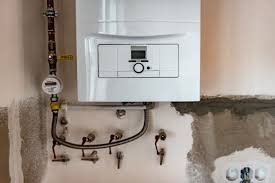
Why a proper heating installation matters in Spring, TX
Even though winters here are usually mild, unpredictable cold fronts and nighttime temperature drops mean a poorly sized or installed system can lead to uneven comfort, high bills, and premature equipment failure. Proper installation ensures:
- Consistent comfort across rooms
- Lower energy bills over time
- Fewer repairs and longer equipment life
- Compliance with local codes and safety standards
Common heating issues in Spring, TX homes
- Oversized or undersized equipment causing short cycling or inadequate heat
- Leaky, uninsulated ductwork reducing delivered heat and increasing costs
- Incompatible controls or thermostats that fail to capture efficiency gains
- Poor airflow from dirty filters, undersized returns, or blocked vents
- Higher-than-expected operating costs due to inefficient existing equipment
Initial consultation and load calculations
Every professional heating installation begins with an on-site consultation and a load calculation:
- A trained technician evaluates your home size, insulation levels, window types, orientation, number of occupants, and local climate influences like humidity and temperature swings.
- The technician performs a Manual J load calculation (industry standard) to determine the precise heating capacity your home needs. This prevents oversizing or undersizing.
- Ductwork is assessed using Manual D principles when needed to size and balance supply and return runs.
- The result is a clear recommendation of system capacity and layout tailored to your Spring home.
Recommendations for energy-efficient systems in Spring, TX
Because Spring experiences milder winters and warm, humid periods, the most efficient options often include:
- High-efficiency heat pumps: Modern air-source heat pumps provide both heating and cooling with strong seasonal performance in mild-winter climates. Look for high HSPF ratings for heating efficiency.
- Variable-speed or multi-stage heat pumps: These adjust output to current demand, improving comfort and lowering runtime.
- Condensing gas furnaces (where natural gas is available): High AFUE models offer efficient combustion and are a good option for very cold nights.
- Dual-fuel systems: Combine a heat pump with a gas furnace to maximize efficiency across temperature ranges.
- Zoning systems and smart thermostats: Improve comfort and reduce wasted energy by heating only occupied areas and using adaptive scheduling.
Equipment selection considerations
When choosing equipment for a Spring, TX home, consider:
- Efficiency ratings: AFUE for furnaces and HSPF/SEER for heat pumps. Higher ratings mean lower operating costs.
- Modulation and variable-speed features for quieter, more consistent operation.
- Proper capacity as determined by load calculations rather than simple tonnage rules.
- Ductwork compatibility and potential need for upgrades to support airflow and distribution.
- Indoor air quality additions: filtration, UV, and dehumidification to address humid seasons.
Professional installation steps
A professional installation typically follows these steps:
- Final system selection and scheduling based on the load calculation and existing infrastructure.
- Obtaining required local permits and ensuring compliance with Spring-area codes.
- Site preparation, including protecting floors and access paths.
- Removal and safe disposal of old equipment if applicable.
- Ductwork repair, sealing, or modification to match new equipment requirements.
- Equipment placement: secure mounting, correct clearances, and proper venting or condensate management.
- Electrical, gas, and refrigerant connections completed by licensed technicians.
- System startup and initial calibration of controls and thermostats.
Post-installation testing and commissioning
After installation, thorough testing ensures safety and efficiency:
- Airflow measurements to confirm supply and return balance.
- Refrigerant charge verification for heat pumps to factory specifications.
- Combustion analysis and flue testing for gas-fired equipment to ensure safe operation.
- Thermostat calibration and zoning balance tests.
- System run-throughs to verify steady operation across modes and temperature settings.
- Documentation of settings, maintenance tips, and warranty registration details.
Warranty, financing, and documentation
Understand warranty coverage and financing options:
- Manufacturer warranties cover major components for specified years; labor warranties cover installation work. Ensure both are explained and documented.
- Many installations include registration steps to activate full warranty benefits.
- Financing or payment plans may be available to spread costs over time; review terms, interest rates, and what portion of work the finance covers.
- Keep a packet with equipment manuals, warranty papers, and the commissioning checklist for future service and claims.
Benefits of upgrading your heating system in Spring, TX
Upgrading offers immediate and long-term benefits:
- Lower monthly energy bills with modern, high-efficiency equipment
- Better home comfort with consistent temperatures and quieter operation
- Improved indoor air quality and humidity control options
- Higher resale value and appeal to buyers who prefer efficient HVAC systems
- Reduced risk of emergency repairs, especially during unexpected cold periods
Maintenance and long-term performance tips
- Schedule annual tune-ups before the heating season to preserve efficiency and catch issues early.
- Replace filters regularly and monitor airflow.
- Insulate and seal ductwork where accessible to prevent heat loss.
- Consider a programmable or smart thermostat to optimize runtime with your household schedule.
- Address attic and crawlspace insulation to reduce overall load and improve system performance.
FAQs
Q: How long does a typical heating installation take?
A: Most residential heating installations in Spring, TX are completed within one to two days, depending on system complexity, ductwork modifications, and permit timelines.
Q: Should I choose a heat pump or a gas furnace for a Spring home?
A: In Spring’s mild-winter climate, heat pumps are often the most energy-efficient overall. A gas furnace may be preferred if your home experiences very cold nights or if natural gas is significantly cheaper in your area. A dual-fuel system offers the best of both.
Q: What is the importance of a Manual J load calculation?
A: A Manual J calculation determines the exact heating (and cooling) needs of your home so the installed system delivers consistent comfort without wasting energy due to oversizing or underperforming due to undersizing.
Q: Will I need new ductwork with a new heating system?
A: Not always. A professional will inspect your ducts and recommend repairs, sealing, or replacement if needed to ensure proper airflow and system efficiency.
Q: What warranties should I expect with a new heating system?
A: Expect separate manufacturer warranties for major components and a labor warranty for installation. Ask for details on coverage length, parts included, and any registration requirements.
Q: How can I maximize the efficiency of my new system in Spring, TX?
A: Combine efficient equipment selection with regular maintenance, proper duct sealing and insulation, a smart thermostat, and attention to home insulation and air sealing to maximize performance and lower bills.
Maintenance Plan You Can Rely On
Basic Care
Perfect for newer systems or budget-conscious homeowners wanting essential protection.
$149/year

Annual comprehensive system inspection
Filter replacement (standard filters included)
15% discount on repairs
Priority scheduling within 48 hours
Premium Protection
Ideal for homes with systems 5+ years old or with moderate usage patterns.
$249/year

Bi-annual system inspections (spring & fall)
Filter replacement (premium filters included)
25% discount on all repairs
Priority scheduling within 24 hours
Free diagnostic fees ($89 value)
Elite Coverage
Best for older systems, luxury homes, or properties with critical climate control needs.
$349/year
Quarterly system inspections
All filters and minor parts included
30% discount on major repairs
Same-day emergency service
Extended 2-year warranty on repairs
Annual system efficiency optimization
Basic Care
Perfect for newer systems or budget-conscious homeowners wanting essential protection.
$149/year
Annual comprehensive system inspection
Filter replacement (standard filters included)
15% discount on repairs
Priority scheduling within 48 hours
Premium Protection
Ideal for homes with systems 5+ years old or with moderate usage patterns.
$249/year
Bi-annual system inspections (spring & fall)
Filter replacement (premium filters included)
25% discount on all repairs
Priority scheduling within 24 hours
Free diagnostic fees ($89 value)
Elite Coverage
Best for older systems, luxury homes, or properties with critical climate control needs.
$349/year
Quarterly system inspections
All filters and minor parts included
30% discount on major repairs
Same-day emergency service
Extended 2-year warranty on repairs
Annual system efficiency optimization
Hear What Our Satisfied Clients Have To Say