
Heating Installation in Kingwood, TX
Heating installation in Kingwood, TX: learn more, precise load sizing, professional service, financing options for efficient comfort.
Scroll down to discover more

Replacing or installing a new heating system is a major home investment. In Kingwood, TX, where winters are generally mild but punctuated by cold snaps, the right system from Stat Air Care Air Conditioning & Heating balances comfort, efficiency, and reliability.
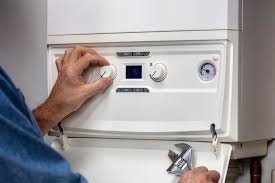
Why professional heating installation matters in Kingwood, TX
Kingwood’s humid subtropical climate means most homes use heating seasonally, but poorly sized or installed equipment still causes higher energy bills, uneven comfort, and premature equipment failure. Proper installation:
- Ensures consistent indoor temperatures during cold fronts
- Prevents moisture-related issues in ducts and equipment
- Maximizes efficiency for lower operating costs during shoulder seasons
- Preserves manufacturer warranties that require certified installation
Common heating system types for Kingwood homes
Selecting the right system depends on your home layout, fuel availability, and efficiency goals. Common options include:
- Gas furnaces - high output for quick heat during rare severe cold, common where natural gas is available
- Air-source heat pumps - efficient year-round choice in mild climates; modern cold-climate models handle occasional subfreezing days
- Ductless mini-split heat pumps - ideal for room additions, zone control, or homes without ductwork
- Hybrid systems - combine a heat pump with a gas furnace to optimize efficiency and comfort during temperature swings
In-home consultation and load sizing
A thorough in-home consultation is the foundation of a reliable installation. Key steps include:
- Home inspection: evaluate insulation levels, window types, duct condition, attic and crawlspace ventilation
- Manual J load calculation: accurate sizing based on square footage, orientation, insulation, and local climate to avoid oversizing or undersizing
- Duct assessment: measure airflow, check for leaks, and determine whether ductwork modification or sealing is required
- Electrical and fuel checks: verify panel capacity, gas line sizing, and placement constraints for outdoor equipment
Accurate load sizing is critical. Oversized systems short-cycle, reducing efficiency and comfort. Undersized systems run continuously and struggle to reach set temperatures.
System selection and energy-efficient model options
When choosing equipment for a Kingwood home consider:
- Efficiency ratings: AFUE for furnaces, SEER/HSPF for heat pumps. ENERGY STAR rated models typically deliver better long-term savings.
- Right-sizing and zoning: multi-stage or variable-speed compressors and zoned controls improve comfort and reduce energy use in mixed-occupancy homes.
- Humidity control: integrated dehumidification or matched HVAC controls can reduce summer discomfort and protect indoor air quality.
- Noise and placement: consider compressor placement away from bedrooms and neighbors; modern units are quieter and more compact.
Energy-efficient models often qualify for manufacturer rebates or tax incentives. They cost less to operate and provide better comfort control across Kingwood’s seasonal swings.
Professional installation steps and typical timeline
A professional installation follows a structured process designed to protect your home and ensure system performance:
- Pre-install preparation: confirm permit requirements, schedule inspections, and protect work areas inside the home
- Old system removal: carefully disconnect and remove existing equipment, recycle refrigerant per regulations
- Equipment installation: mount indoor and outdoor components, install or modify ductwork, set up electrical and fuel connections
- Refrigerant charging and balancing: precisely charge refrigerant and balance airflow for optimal efficiency
- Safety and combustion checks: for fuel-burning systems verify combustion safety, venting, and carbon monoxide prevention
- Controls and thermostat setup: program thermostats and integrate smart or zoning controls if provided
- Final testing and homeowner orientation: demonstrate system operation, maintenance needs, and filter replacement procedures
Timeline: Most straightforward system replacements take 1 to 2 days. More complex installs, including duct replacement, zoning, or structural changes, can take 2 to 5 days. Permitting and inspection timelines can add additional days.
Warranty, permits, and post-installation testing
A professional installation includes documentation and testing to protect your investment:
- Permits and inspections: local code compliance and proper permitting ensure safety and preserve resale value
- Manufacturer warranty and labor warranty: confirm both are in writing and understand coverage durations and requirements
- Post-install testing: airflow measurements, static pressure checks, thermostat calibration, and combustion or carbon monoxide testing for gas systems
- As-built documentation: provide system specifications, maintenance recommendations, and warranty details for future service
Keeping records of installation and maintenance helps with warranty claims and future resale disclosures.
Financing and rebate options for Kingwood homeowners
Many homeowners use financing or incentives to make energy-efficient upgrades more affordable:
- Manufacturer rebates and utility incentives: local utility programs and manufacturers may offer rebates for high-efficiency heat pumps or equipment upgrades
- Federal and state tax credits: qualifying energy-efficient systems may be eligible for tax credits or incentives; eligibility depends on model and installation
- Financing options: home improvement loans, contractor financing programs, or equipment financing spread costs over time
Before finalizing equipment, verify eligibility and documentation needed for rebates or tax credits. Proper installation paperwork is often required.
Benefits of timely replacement and maintenance
Replacing an aging heating system when efficiency drops or failures become frequent delivers clear benefits for Kingwood homeowners:
- Lower utility bills and improved seasonal comfort
- Better humidity and indoor air control
- Fewer emergency repairs during temperature swings
- Increased home value and curb appeal
Routine maintenance after installation preserves efficiency and extends equipment life.
Maintenance tips after installation
To protect your new system and maintain efficiency:
- Replace filters regularly and use the correct MERV rating for your system
- Schedule annual professional tune-ups, ideally before heating season
- Keep outdoor units clear of debris and ensure proper drainage around condensate lines
- Use programmable or smart thermostats to reduce runtime when the home is unoccupied
- Address duct leaks or insulation gaps as they are discovered
FAQs
Q: How long does a typical heating installation take in Kingwood, TX?
A: Most straight replacements take 1 to 2 days. Complex projects involving ductwork, zoning, or new fuel connections can take 2 to 5 days. Permitting and inspections may add time.
Q: Should I choose a heat pump or a gas furnace for my Kingwood home?
A: Heat pumps are highly efficient for Kingwood’s mild climate and handle both heating and cooling. Gas furnaces deliver rapid heat during cold snaps. Many homeowners opt for heat pumps or hybrid systems to balance efficiency and reliability.
Q: What is Manual J load sizing and why is it important?
A: Manual J is the industry-standard calculation that determines the heating and cooling load of your home. It ensures your new system is properly sized to avoid short cycling or insufficient capacity.
Q: Are there rebates or tax credits available for new heating systems?
A: Yes. Many high-efficiency systems qualify for manufacturer rebates, local utility incentives, or federal tax credits. Eligibility varies by equipment and program, and proper installation documentation is usually required.
Q: What warranties should I expect with a new system?
A: Installations typically include a manufacturer warranty on the equipment and a separate labor warranty from the installer. Confirm lengths and requirements in writing and keep all documentation for future claims.
Maintenance Plan You Can Rely On
Basic Care
Perfect for newer systems or budget-conscious homeowners wanting essential protection.
$149/year

Annual comprehensive system inspection
Filter replacement (standard filters included)
15% discount on repairs
Priority scheduling within 48 hours
Premium Protection
Ideal for homes with systems 5+ years old or with moderate usage patterns.
$249/year

Bi-annual system inspections (spring & fall)
Filter replacement (premium filters included)
25% discount on all repairs
Priority scheduling within 24 hours
Free diagnostic fees ($89 value)
Elite Coverage
Best for older systems, luxury homes, or properties with critical climate control needs.
$349/year
Quarterly system inspections
All filters and minor parts included
30% discount on major repairs
Same-day emergency service
Extended 2-year warranty on repairs
Annual system efficiency optimization
Basic Care
Perfect for newer systems or budget-conscious homeowners wanting essential protection.
$149/year
Annual comprehensive system inspection
Filter replacement (standard filters included)
15% discount on repairs
Priority scheduling within 48 hours
Premium Protection
Ideal for homes with systems 5+ years old or with moderate usage patterns.
$249/year
Bi-annual system inspections (spring & fall)
Filter replacement (premium filters included)
25% discount on all repairs
Priority scheduling within 24 hours
Free diagnostic fees ($89 value)
Elite Coverage
Best for older systems, luxury homes, or properties with critical climate control needs.
$349/year
Quarterly system inspections
All filters and minor parts included
30% discount on major repairs
Same-day emergency service
Extended 2-year warranty on repairs
Annual system efficiency optimization
Hear What Our Satisfied Clients Have To Say