
Mini Split Inspection in Porter, TX
Ensure your mini-split system runs efficiently in Porter, TX. Learn about the importance of inspections, what they entail, and common issues to watch for.
Scroll down to discover more

An expert mini-split inspection from Stat Air Care Air Conditioning & Heating in Porter, TX ensures your ductless system performs reliably through hot, humid summers and storm-prone seasons. Mini-splits are popular in Porter homes for cooling additions, garages, and rooms without existing ductwork, but Gulf Coast humidity, airborne pollen, and summer load demands make regular inspections essential. A comprehensive inspection protects system longevity, maintains efficiency, prevents indoor comfort problems, and preserves manufacturer warranties.
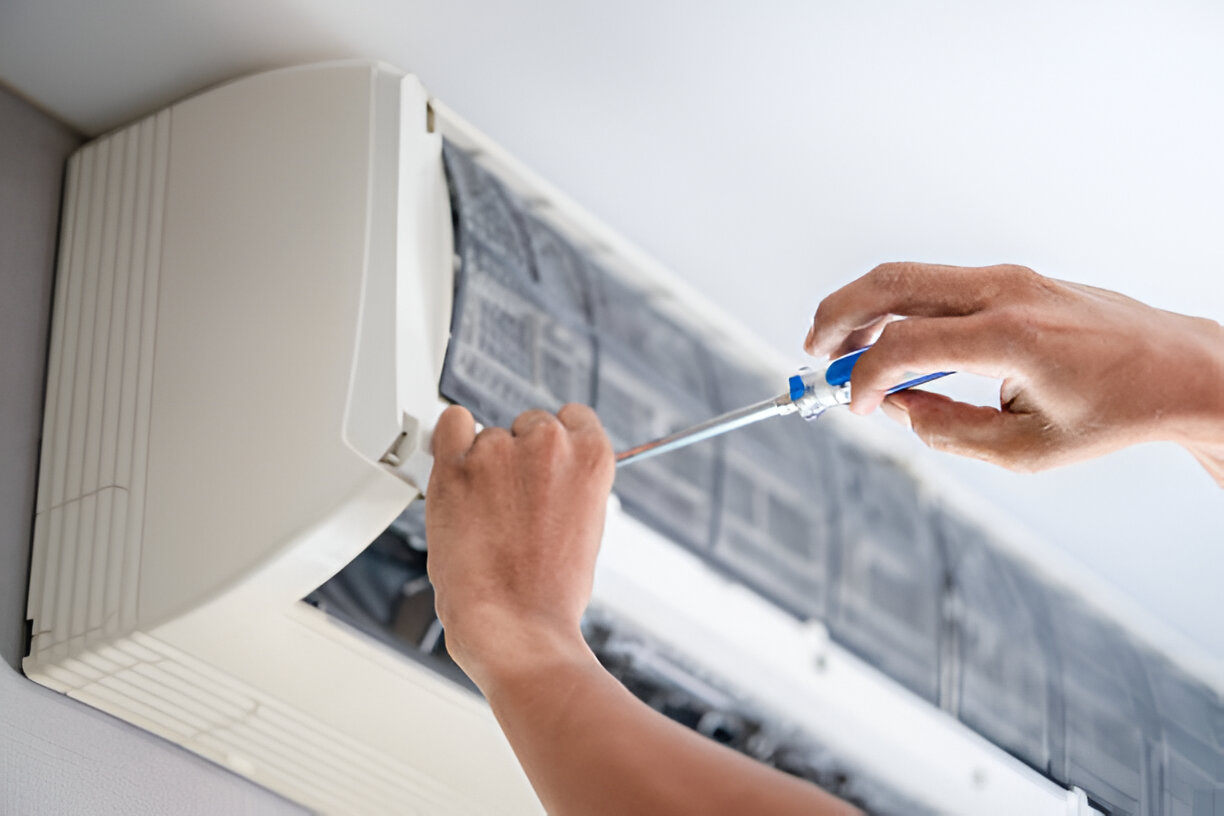
Why a mini-split inspection matters in Porter, TX
Porter’s climate puts unique stress on mini-splits. High humidity increases condensate load and corrosion risk. Heavy pollen and tree debris can foul outdoor coils. Occasional severe storms and electrical surges can damage controls and compressors. An inspection catches issues early so you avoid emergency failures in peak cooling season and extend the life of your system.
What a complete inspection includes
A professional mini-split inspection follows a detailed checklist to evaluate overall system health and safety. Common inspection items:
- Electrical safety and control checks
- Inspect wiring, terminal tightness, contactors, fuses, breakers, and control board operation.
- Measure compressor and fan motor amp draw and compare to rated values.
- Refrigerant integrity and performance testing
- Check refrigerant pressures, look for signs of leaks, and verify cooling capacity with a temperature split across the evaporator.
- Compressor and fan operation
- Observe starting behavior, unusual noises, vibration, and oil or refrigerant signs.
- Indoor air handling and airflow
- Check indoor blower speeds, air throw, filter condition, and evaporator coil cleanliness.
- Condensate drainage and moisture control
- Inspect drain pans, condensate lines, traps, slope, and condensate pumps where installed.
- Mounting security and line-set condition
- Verify wall bracket or ceiling cassette mounts, check for vibration isolation, and inspect line-set insulation integrity.
- Outdoor unit and coil condition
- Examine outdoor coil fins, clearances, vegetation, and corrosion from high humidity or salt air.
- Controls, thermostat, and remote operation
- Confirm correct refrigerant operating modes, timers, and communication between indoor and outdoor units.
- Safety and code compliance
- Verify electrical grounding, clearances, and any local code considerations for outdoor unit placement.
Diagnostics and inspection process (plain language)
Inspections combine visual examination, basic mechanical tests, and measured diagnostics. A technician will:
- Run the system to observe normal operation.
- Use gauges and meters to measure refrigerant pressures and electrical currents.
- Inspect condensate path under running conditions to confirm proper drainage.
- Test temperature differential between supply and return air to gauge cooling performance.
- Note any irregular noises, vibration, or visible leaks.These steps show whether the system operates safely and efficiently or requires targeted repairs.
Written condition report and repair recommendations
After inspection you receive a clear written condition report that outlines:
- System summary and photographed findings
- Prioritized list of recommended repairs or upgrades (safety issues, performance restorations, long-term reliability)
- Estimated urgency for each recommendation (immediate, short term, routine)
- Notes on parts likely affected (filters, coils, compressors, electrical components)
- Suggested maintenance schedule tailored to your property and usage patternsThe report helps you plan repairs and document maintenance for warranty compliance.
Common mini-split problems in Porter and practical solutions
- Refrigerant leaks: Signs include loss of cooling and ice on the evaporator. Solution: leak locate, repair or replace affected line sets, and recharge with specified refrigerant.
- Clogged condensate lines or pans: In humid Porter conditions, algae and debris block drainage leading to water damage or condensate overflow. Solution: clear and treat drain lines, install condensate safety switches or pump service.
- Fouled outdoor coils: Pollen, dust, and yard debris reduce heat transfer and efficiency. Solution: professional coil cleaning and restoring proper outdoor clearances.
- Electrical damage from storms: Corrosion or surge damage can cause control failures. Solution: inspect and replace damaged components and consider surge protection.
- Worn fan or compressor bearings: Noisy operation or reduced efficiency signals mechanical wear. Solution: service bearings or recommend component replacement based on condition.
Maintenance schedule and homeowner guidance for Porter homes
- Filter care: Clean washable filters monthly during high-use months; replace disposable filters per manufacturer guidance.
- Professional inspections: Schedule a professional check at least once per year; in Porter consider twice yearly (spring and fall) to prepare for peak cooling and post-summer checks.
- Coil and drain maintenance: Clean coils and flush condensate lines annually or more often if you notice reduced airflow, odors, or slow drainage.
- Line-set and insulation: Inspect insulation annually; replace deteriorated foam to prevent efficiency loss and condensation.
- Recordkeeping: Keep all inspection reports and service receipts to support warranty claims and resale value.
- Weather preparedness: Before storm season, secure outdoor units, clear vegetation, and confirm electrical protection to reduce outage risk.
Warranty considerations
Manufacturer warranties often require regular professional maintenance. The written inspection report documents compliance and details performed services. Important warranty tips:
- Follow the manufacturer’s recommended maintenance intervals and service procedures.
- Keep dated records of inspections, repairs, and parts replacements.
- Avoid unauthorized repairs that can void coverage; have qualified technicians handle refrigerant and compressor work.
- Check compressor and parts warranty lengths and whether parts availability or model-specific requirements affect coverage.
Benefits of regular mini-split inspections
Routine inspections deliver measurable benefits for Porter homeowners:
- Improved comfort and consistent cooling during Texas heat
- Lower utility bills through maintained efficiency
- Reduced risk of mid-summer breakdowns and costly emergency repairs
- Longer equipment life and preserved warranty eligibility
- Clear documentation to support resale or insurance needs
FAQs
Q: How often should a mini-split be professionally inspected in Porter, TX?
A: For Porter homes, plan a professional inspection at least once a year and consider twice yearly for humid, high-use seasons; perform simple filter cleaning monthly.
Q: Will an inspection find refrigerant leaks?
A: Yes, a thorough inspection includes pressure checks and visual inspection; technicians can locate leaks and recommend repair or containment steps.
Q: Can regular inspections prevent compressor failure?
A: Regular inspections identify early signs like abnormal amp draw, vibration, or refrigerant imbalance that often precede compressor failure, allowing proactive repairs.
Q: Do inspections affect my warranty?
A: Yes. Manufacturer warranties typically require documented routine maintenance; the written condition report helps demonstrate compliance.
Q: What should I watch for between inspections?
A: Monitor filter condition, unusual noises, reduced airflow, water around indoor units, and inconsistent cooling; these are signs to schedule service.
Maintenance Plan You Can Rely On
Basic Care
Perfect for newer systems or budget-conscious homeowners wanting essential protection.
$149/year

Annual comprehensive system inspection
Filter replacement (standard filters included)
15% discount on repairs
Priority scheduling within 48 hours
Premium Protection
Ideal for homes with systems 5+ years old or with moderate usage patterns.
$249/year

Bi-annual system inspections (spring & fall)
Filter replacement (premium filters included)
25% discount on all repairs
Priority scheduling within 24 hours
Free diagnostic fees ($89 value)
Elite Coverage
Best for older systems, luxury homes, or properties with critical climate control needs.
$349/year
Quarterly system inspections
All filters and minor parts included
30% discount on major repairs
Same-day emergency service
Extended 2-year warranty on repairs
Annual system efficiency optimization
Basic Care
Perfect for newer systems or budget-conscious homeowners wanting essential protection.
$149/year
Annual comprehensive system inspection
Filter replacement (standard filters included)
15% discount on repairs
Priority scheduling within 48 hours
Premium Protection
Ideal for homes with systems 5+ years old or with moderate usage patterns.
$249/year
Bi-annual system inspections (spring & fall)
Filter replacement (premium filters included)
25% discount on all repairs
Priority scheduling within 24 hours
Free diagnostic fees ($89 value)
Elite Coverage
Best for older systems, luxury homes, or properties with critical climate control needs.
$349/year
Quarterly system inspections
All filters and minor parts included
30% discount on major repairs
Same-day emergency service
Extended 2-year warranty on repairs
Annual system efficiency optimization
Hear What Our Satisfied Clients Have To Say