
Mini Split Repair in Porter, TX
Mini-split repair in Porter, TX to restore comfort quickly. Schedule expert diagnosis, prompt service, and efficiency gains today.
Scroll down to discover more

When a mini-split stops cooling or behaves unpredictably, it affects comfort and energy bills quickly—especially in Porter, TX where long, humid summers put heavy demand on cooling systems. Expert mini-split repair from Stat Air Care Air Conditioning & Heating protects indoor comfort, prevents secondary damage (mold, electrical faults), and preserves system efficiency.
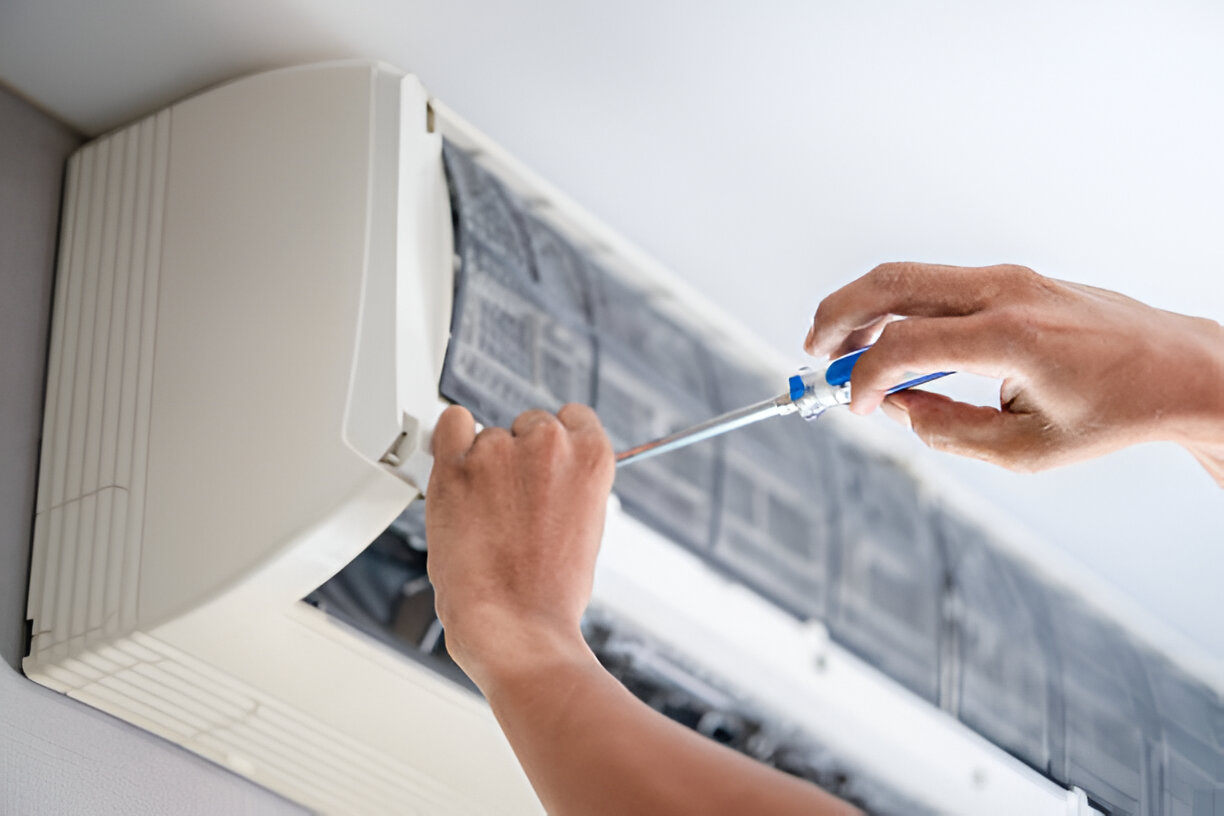
Common mini-split failures in Porter, TX
Understanding common failures helps owners recognize issues early. In Porter’s humid, storm-prone environment, these problems are especially common:
- Compressor failure
- Signs: Unit won’t cool, outdoor unit runs but no cooling, unusual loud noises.
- Causes: Overuse during hot spells, poor airflow, capacitor or electrical issues, internal mechanical wear.
- Fan motor and blower problems
- Signs: Reduced airflow, rattling or squealing, indoor evaporator not circulating air.
- Causes: Bearing wear, debris buildup, capacitor failure, storm-related damage to outdoor fan.
- Refrigerant leaks
- Signs: Gradual loss of cooling, frosting on lines, hissing noises.
- Causes: Corroded line sets, loose fittings, vibrational wear; humid air accelerates corrosion on exposed components.
- Electrical faults and control board failures
- Signs: System intermittently cycles on/off, error codes, unit won’t start.
- Causes: Power surges from summer storms, loose wiring, failed relays or inverter boards.
- Thermostat, sensor, and control issues
- Signs: System ignores set temperature, uneven room temperatures, remote or smart control failures.
- Causes: Faulty sensors, communication errors, dead remotes, software or firmware glitches.
- Drainage and mold issues
- Signs: Water dripping indoors, musty odors, wet stains near indoor unit.
- Causes: Clogged condensate drain, improper slope, heavy humidity causing overflow.
- Frozen evaporator coil
- Signs: Reduced airflow and cooling, visible ice on indoor unit.
- Causes: Low refrigerant, poor airflow, dirty filters or coil.
Diagnostic and troubleshooting procedures
A clear diagnostic process isolates the root cause so repairs are targeted and effective:
Initial visual and operational inspection
- Check indoor and outdoor units for visible damage, debris, and error codes on displays.
Electrical evaluation
- Test power at the disconnect, inspect fuses, capacitors, contactors, and control boards for failures or signs of surge damage.
Refrigerant pressure and leak testing
- Measure pressures, inspect line sets, and perform leak detection using approved methods. Refrigerant handling follows regulatory requirements.
Airflow and mechanical checks
- Inspect blower motor, fan blades, filters, and evaporator/condenser coils for blockages, motor issues, or mechanical binding.
Control and communication verification
- Test thermostat sensors, remotes, and communication between indoor and outdoor units. Reset and update firmware if needed.
Condensate system inspection
- Check drain lines, trap, and pan for clogs, algae growth, or incorrect installation.
Technicians will document findings and present repair options based on safety, efficiency, and longevity.
Parts replacement options and considerations
Replacement parts should match the system’s requirements and warranty conditions:
- Common replacement parts
- Compressors, fan motors, PCBs and inverter boards, expansion valves, thermostats/controls, pressure switches, capacitors, sensors, and line set repairs.
- OEM vs aftermarket parts
- OEM parts maintain manufacturer specifications and often preserve warranty coverage. Quality aftermarket parts can be cost-effective but may affect warranty; documentation should be reviewed before installation.
- Refrigerant handling
- Repairs involving refrigerant require recovery, leak repair, evacuation, and recharge. Technicians follow EPA regulations and use the correct refrigerant type specified for the unit.
Estimated repair timelines and factors that affect time
Timelines vary by issue severity, part availability, and local conditions:
- Minor repairs and adjustments
- Tasks like filter changes, capacitor replacements, or resetting controls may be completed same day.
- Moderate repairs
- Fan motor swaps, PCB replacement, or line set patching typically take several hours to a day depending on parts on hand.
- Major repairs or compressor/inverter replacement
- These jobs can span one to several days due to parts sourcing, refrigerant recovery, and system testing.
Factors that lengthen repair time in Porter include severe weather delaying part deliveries, difficulty accessing rooftop or tight installations, and the need for specialized components for older units.
What affects repair cost
Rather than flat prices, costs depend on:
- Severity of the failure and whether multiple components are affected.
- Cost and availability of replacement parts.
- Labor required for safe refrigerant recovery and system recharging.
- Warranty coverage from the manufacturer and any labor warranties.
- Accessibility and time of year (peak season can extend wait times).
Repair-versus-replace decisions consider system age, frequency of past failures, cost of major components, and long-term efficiency.
Emergency response, scheduling, and warranty handling
In urgent situations, technicians prioritize safety and temporary measures: shutting down a failing compressor, isolating leaks, or restoring safe power. Scheduling for non-emergencies is organized around severity, with documented arrival windows.
For warranty support:
- Provide the system model, serial number, installation date, and proof of purchase or maintenance records.
- Manufacturer warranties often cover parts but may exclude labor; labor warranties are typically separate.
- Proper documentation of regular maintenance improves the chance of warranty coverage in Porter-area claims.
Preventive maintenance tips to avoid future breakdowns in Porter, TX
Regular care reduces emergency repairs and extends system life:
- Replace or clean filters every 1 to 3 months during peak use.
- Schedule professional tune-ups at least once a year, ideally before the summer season.
- Keep the outdoor unit clear of debris, grass, and heavy vegetation; Porter's storms and pollen can quickly foul coils.
- Install whole-home surge protection to reduce lightning and storm-related electrical damage.
- Check condensate drains periodically for clogs and treat with appropriate cleaners to prevent algae.
- Ensure proper airflow around indoor units and maintain recommended temperature setpoints to reduce cycling stress.
- Address odd noises, odors, or performance drops promptly to avoid cascading failures.
Benefits of timely mini-split repair in Porter, TX
Prompt, correct repair preserves cooling capacity during Porter’s hottest months, improves indoor air quality by preventing mold and moisture issues, reduces energy consumption by restoring efficiency, and protects the lifespan and warranty of your system.
FAQs
Q:How long will a typical mini-split repair take?
A:Most minor repairs are completed within a few hours; moderate repairs often finish the same day or next day; major component replacements can take one to several days depending on parts.
Q:How do I know if I should repair or replace my mini-split?
A:Consider the unit’s age, frequency of past repairs, energy performance decline, and whether the compressor or inverter needs replacement. Repeated major failures or significant efficiency loss usually favor replacement.
Q:Can refrigerant leaks be fully repaired?
A:Yes. Technicians locate and repair the leak, recover remaining refrigerant, evacuate the system, and recharge with the specified refrigerant. Proper testing ensures long-term integrity.
Q:Do warranties cover labor and parts?
A:Manufacturer warranties commonly cover parts but not labor. Labor warranties are often provided separately. Keep purchase and maintenance records for warranty claims.
Q:How often should a Porter, TX mini-split be serviced?
A:At minimum, an annual professional maintenance visit is recommended; in Porter’s humid climate, biannual checks (pre-summer and post-summer) help prevent common humidity-related issues.
Maintenance Plan You Can Rely On
Basic Care
Perfect for newer systems or budget-conscious homeowners wanting essential protection.
$149/year

Annual comprehensive system inspection
Filter replacement (standard filters included)
15% discount on repairs
Priority scheduling within 48 hours
Premium Protection
Ideal for homes with systems 5+ years old or with moderate usage patterns.
$249/year

Bi-annual system inspections (spring & fall)
Filter replacement (premium filters included)
25% discount on all repairs
Priority scheduling within 24 hours
Free diagnostic fees ($89 value)
Elite Coverage
Best for older systems, luxury homes, or properties with critical climate control needs.
$349/year
Quarterly system inspections
All filters and minor parts included
30% discount on major repairs
Same-day emergency service
Extended 2-year warranty on repairs
Annual system efficiency optimization
Basic Care
Perfect for newer systems or budget-conscious homeowners wanting essential protection.
$149/year
Annual comprehensive system inspection
Filter replacement (standard filters included)
15% discount on repairs
Priority scheduling within 48 hours
Premium Protection
Ideal for homes with systems 5+ years old or with moderate usage patterns.
$249/year
Bi-annual system inspections (spring & fall)
Filter replacement (premium filters included)
25% discount on all repairs
Priority scheduling within 24 hours
Free diagnostic fees ($89 value)
Elite Coverage
Best for older systems, luxury homes, or properties with critical climate control needs.
$349/year
Quarterly system inspections
All filters and minor parts included
30% discount on major repairs
Same-day emergency service
Extended 2-year warranty on repairs
Annual system efficiency optimization
Hear What Our Satisfied Clients Have To Say