
Mini Split Inspection in Willis, TX
Get a mini-split inspection in Willis, TX to verify installation, detect leaks, and receive a clear condition report with photos.
Scroll down to discover more

A thorough mini-split inspection in Willis, TX by Stat Air Care Air Conditioning & Heating protects indoor comfort, prevents costly breakdowns, and ensures your system performs efficiently through long, hot, humid summers. Whether you need a pre-season tune-up or a pre-purchase evaluation, a professional inspection identifies leaks, electrical risks, airflow problems, and performance losses that commonly affect ductless mini-split systems in this region.
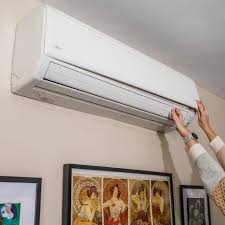
Why a mini-split inspection matters in Willis, TX
- Willis experiences prolonged heat and high humidity during summer months, which increases cooling demand and accelerates wear on compressors, coils, and fans.
- Local pollen, dust, and occasional storm debris can foul indoor and outdoor coils, reducing efficiency and causing refrigerant pressure issues.
- Power surges from thunderstorms can damage electronic controls and PC boards. A focused inspection looks for these region-specific risks so you avoid mid-summer failures.
Common mini-split issues in Willis homes
- Reduced cooling capacity from dirty coils or clogged filters leading to higher energy use.
- Refrigerant leaks causing low pressure, poor cooling, and possible environmental concerns.
- Electrical problems including loose connections, worn breakers, or failed control boards after storm activity.
- Poor airflow or uneven temperature distribution due to improper indoor unit placement or obstructed intakes.
- Drainage problems and condensate overflows common in humid climates where condensate volume is higher.
- Aging components such as failing compressors, fan motors, or insulation breakdown on line sets.
Types of inspections offered
- Pre-season inspection to confirm readiness before high cooling demand, addressing filters, refrigerant, and electrical components.
- Pre-purchase inspection for home buyers to verify system condition, correct installation, line set integrity, and expected remaining life.
- Troubleshoot inspection when units show symptoms like strange noises, weak airflow, high energy bills, or frequent cycling.
- Safety and performance assessment focused on electrical safety, refrigerant handling, and manufacturer compliance.
Step-by-step diagnostic checks
Visual and mechanical inspection
- Examine indoor and outdoor units for physical damage, mounting integrity, insulation condition on line sets, and coil cleanliness.
- Check clearances around the outdoor unit for debris, vegetation, or installation issues.
Electrical and control checks
- Inspect wiring, terminal connections, breaker sizing, and capacitor health.
- Evaluate control board, thermostat communication, and safety interlocks for reliable operation.
Airflow and indoor performance
- Measure airflow qualitatively and check for blocked returns or obstructions.
- Verify indoor unit fan speeds and proper oscillation for even room distribution.
Refrigerant and leak detection
- Use electronic leak detectors and pressure checks to identify low refrigerant levels or active leaks.
- Measure system pressures and perform superheat and subcooling tests to assess charge and efficiency.
Efficiency and temperature testing
- Record supply and return air temperatures to calculate Delta T (temperature split) and overall cooling performance.
- Measure amp draw on motors and compare to manufacturer ranges to detect latent issues.
Condensate and drainage inspection
- Inspect condensate pans, drains, and safety switches for blockages or signs of algae and mold growth common in humid environments.
Documentation
- Capture photos of key findings, test results, and areas needing attention to create a clear condition report.
Condition reports and recommended next steps
After diagnostics, you receive a clear condition report that includes:
- Photographs of problem areas and installation details.
- A prioritized list of recommended repairs and maintenance tasks, with an explanation of safety or performance risks.
- Assessment of whether repair, maintenance, or replacement is the most cost-effective path, considering unit age, refrigerant type, and expected remaining life.
Key factors guiding recommendations:
- Age of the mini-split and major component history.
- Presence of R-22 or other phased-out refrigerants requiring special handling.
- Extent of refrigerant leaks or compressor damage.
- Cost to repair versus expected efficiency gains from replacement.
Repair and solution explanations
- Minor repairs and tune-ups: Filter replacement, coil cleaning, recharge to correct refrigerant loss, tightening electrical connections, and clearing drain lines often restore reliable operation.
- Moderate repairs: Replacing fans, capacitors, or line set insulation and fixing moderate leaks with certified refrigerant recovery and recharge.
- Major repairs or replacement: Compressor failure, repeated refrigerant leaks, or significant PCB damage may justify replacement, especially if the unit is over 10 years old or uses obsolete refrigerant.
Benefits of regular inspections and seasonal timing
- Improved comfort and consistent temperatures by ensuring proper charge and airflow.
- Lower energy bills through restored efficiency and reduced runtime.
- Longer equipment life from proactive maintenance and timely repairs.
- Safety assurance by detecting electrical hazards and poor drainage before they cause damage.
- In Willis, scheduling a pre-season inspection in late spring is recommended to ensure peak-season reliability and to catch issues before the first prolonged heat wave.
Practical maintenance tips for Willis homeowners
- Clean or replace filters every 1 to 3 months during peak use.
- Keep outdoor units free of leaves, grass, and debris; maintain at least 2 feet clearance.
- Inspect line set insulation annually and replace degraded insulation to prevent efficiency loss.
- Monitor for unusual noises, odors, or water leaks and schedule an inspection rather than waiting for failure.
- Consider annual professional inspections timed before peak cooling season to reduce the risk of in-season breakdowns.
Q: What does a pre-purchase mini-split inspection in Willis check for?
A: A pre-purchase inspection verifies correct sizing and installation, checks for refrigerant leaks, evaluates electrical and mounting safety, inspects line set and insulation, assesses indoor unit placement and airflow, and provides a photographed condition report with repair recommendations.
Q: How often should a mini-split in Willis be professionally inspected?
A: For Willis homes, a professional inspection once per year before the cooling season is recommended; systems in heavy use or older units may benefit from semiannual checks.
Q: Can a refrigerant leak be repaired during an inspection visit?
A: Some leaks can be located and temporarily sealed, but most refrigerant repairs require follow-up service to recover refrigerant, repair or replace the leak source, and recharge the system to factory specifications.
Q: Will an inspection include photos and a written report?
A: Yes, a comprehensive inspection provides a condition report with photos, documented test results, and prioritized repair or replacement recommendations to help make informed decisions.
Q: How do local Willis weather conditions affect mini-split performance?
A: High heat and humidity increase cooling loads and condensate production, while pollen and dust can foul coils quickly; storms can cause electrical issues. Inspections focus on these regional stressors to maintain reliable performance.
Maintenance Plan You Can Rely On
Basic Care
Perfect for newer systems or budget-conscious homeowners wanting essential protection.
$149/year

Annual comprehensive system inspection
Filter replacement (standard filters included)
15% discount on repairs
Priority scheduling within 48 hours
Premium Protection
Ideal for homes with systems 5+ years old or with moderate usage patterns.
$249/year

Bi-annual system inspections (spring & fall)
Filter replacement (premium filters included)
25% discount on all repairs
Priority scheduling within 24 hours
Free diagnostic fees ($89 value)
Elite Coverage
Best for older systems, luxury homes, or properties with critical climate control needs.
$349/year
Quarterly system inspections
All filters and minor parts included
30% discount on major repairs
Same-day emergency service
Extended 2-year warranty on repairs
Annual system efficiency optimization
Basic Care
Perfect for newer systems or budget-conscious homeowners wanting essential protection.
$149/year
Annual comprehensive system inspection
Filter replacement (standard filters included)
15% discount on repairs
Priority scheduling within 48 hours
Premium Protection
Ideal for homes with systems 5+ years old or with moderate usage patterns.
$249/year
Bi-annual system inspections (spring & fall)
Filter replacement (premium filters included)
25% discount on all repairs
Priority scheduling within 24 hours
Free diagnostic fees ($89 value)
Elite Coverage
Best for older systems, luxury homes, or properties with critical climate control needs.
$349/year
Quarterly system inspections
All filters and minor parts included
30% discount on major repairs
Same-day emergency service
Extended 2-year warranty on repairs
Annual system efficiency optimization
Hear What Our Satisfied Clients Have To Say