
Mini Split Maintenance in Kingwood, TX
Mini-split maintenance services in Kingwood, TX keep your ductless system efficient with seasonal tune-ups and filter replacements. Schedule your service today.
Scroll down to discover more

Keeping ductless mini-split systems operating reliably and efficiently in Kingwood, TX requires targeted, regular maintenance from Stat Air Care Air Conditioning & Heating. With long, hot, humid summers; high pollen and leaf drop from neighborhood trees; and frequent storm activity, mini-splits here face challenges that accelerate wear, reduce efficiency, and increase the risk of breakdowns. Proper preventative maintenance — seasonal tune-ups, scheduled filter changes, coil and condensate line cleaning, refrigerant checks, and blower inspections — preserves comfort, extends equipment life, and helps avoid costly emergency repairs.
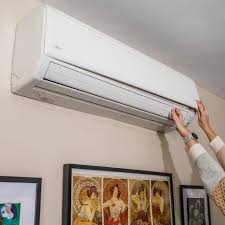
Why mini-split maintenance matters in Kingwood, TX
Kingwood’s humid subtropical climate puts continuous moisture and biological debris in contact with mini-split coils and drain systems. Clogged filters and coils reduce airflow and cooling capacity, while blocked condensate lines lead to water backups, stains, and mold growth inside indoor units. Heavy summer runtime increases compressor stress and the chance of refrigerant leaks. Routine maintenance addresses these local stressors so your system performs reliably when you need it most.
Common mini-split problems in Kingwood homes
- Clogged or dirty filters from seasonal pollen and dust, causing weak airflow and higher energy use.
- Mold, mildew, and brown/black discharge in drain pans and condensate lines due to humidity.
- Reduced cooling capacity and longer run times from dirty evaporator or condenser coils.
- Refrigerant leaks or low refrigerant that reduce efficiency and can damage the compressor.
- Fan and blower motor wear leading to noisy operation or insufficient air movement.
- Electrical connection issues and control board faults after storms or power surges.
- Improper refrigerant charge or airflow imbalance in multi-zone systems causing uneven comfort.
What a comprehensive mini-split maintenance visit includes
A thorough maintenance program inspects and services every component that affects performance and longevity. Typical tune-up items include:
- Visual system assessment and performance history review to identify recurring issues.
- Filter inspection and replacement schedule guidance; washable filters cleaned or disposable filters replaced.
- Evaporator coil cleaning inside wall-mounted units and condenser coil cleaning at outdoor compressors.
- Condensate drain and trap cleaning and flushing to prevent backups and microbial growth.
- Refrigerant level check and leak detection using industry-standard methods; documentation of pressure and superheat/subcooling where applicable.
- Blower wheel and fan inspection, lubrication (if applicable), and balance check to eliminate wobble and noise.
- Electrical system check: tighten terminals, inspect capacitors, contactors, and controls for wear.
- Airflow and temperature split testing to confirm correct CFM and cooling performance across zones.
- Condenser area clearance and washing to remove leaves and debris common in Kingwood yards.
- Safety checks for condensate overflow switches, drain pan integrity, and emergency shutdown devices.
- System efficiency assessment and recommendations to restore performance to factory standards.
Each step is documented so you have an accurate record of system condition and any recommended repairs to keep warranties valid.
Filter replacement and cleaning schedules
- Washable filters: clean every 1 to 2 months during heavy pollen or summer use; monthly in peak allergy season.
- Disposable pleated filters: replace every 1 to 3 months depending on indoor air quality and runtime.
- Indoor coil cleaning: at least once a year; twice a year if high humidity or visible buildup.
- Condensate line flush: every 6 to 12 months; more often if you notice slow drainage or odors.
Refrigerant and performance testing
Correct refrigerant charge is critical for cooling capacity and compressor health. Maintenance includes pressure checks, measurement of temperature differentials, and leak testing when charge is off-spec. In Kingwood, where equipment runs heavily in summer, catching low charge early prevents compressor overheating and premature failure. Technicians also measure airflow and perform performance testing to verify each indoor head is delivering designed cooling for its zone.
Maintenance plans and warranties
Structured maintenance plans offer scheduled seasonal tune-ups and prioritized service that helps maintain equipment efficiency and prolong life. Typical plan tiers include:
- Annual inspection plan: one preventive visit focused on major checks and cleaning.
- Biannual tune-up plan: spring and fall service visits to prepare for heavy cooling and occasional heating seasons.
- Full service plan: includes filter changes, priority scheduling, and parts/warranty documentation.
Regular, documented maintenance often aligns with manufacturer warranty requirements, improving the likelihood of coverage for future repairs. Plans may include limited warranty coverage on labor for specific repairs performed as part of the program.
Seasonal schedule and homeowner tips for Kingwood residents
- Spring (March-May): Full pre-summer tune-up, refrigerant check, and filter deep clean to prepare for heavy cooling. Clear debris from outdoor units after storms.
- Summer (June-August): Check filters monthly; watch for reduced airflow or odd noises. Promptly address any cooling drop to avoid compressor damage.
- Fall (September-November): Second tune-up recommended to inspect electrical components and ensure efficient operation if used for heating. Flush condensate lines after pollen season.
- Winter (December-February): Even though cooling demand is lower, run periodic checks on indoor heads and ensure drain pans remain dry.
Homeowner tips: keep outdoor units free of plants and debris, run washable filters through a monthly rinse during high pollen months, and monitor for odors or water leaks around indoor heads which indicate condensate or microbial issues.
Benefits of regular mini-split maintenance
- Improved energy efficiency and lower utility costs by restoring proper airflow and refrigerant charge.
- Longer system lifespan and fewer emergency repairs, reducing total ownership cost.
- More consistent, comfortable temperatures across zones in multi-head systems.
- Better indoor air quality with cleaner filters and reduced mold growth in condensate paths.
- Documentation to support manufacturer warranties and service history for resale value.
Q: How often should a mini-split be serviced in Kingwood, TX?
A: Ideally, a mini-split should receive at least one comprehensive service visit per year and filter attention every 1 to 3 months; a biannual plan (spring and fall) is recommended in Kingwood because of the region’s heavy summer use and high humidity.
Q: Will maintenance prevent refrigerant leaks?
A: Routine maintenance catches early signs of leaking—such as abnormal pressures, oil residue, or performance loss—and can prompt repairs before the system suffers major damage. It reduces risk but cannot guarantee that all future leaks will be avoided.
Q: Can I clean the indoor coil and condensate line myself?
A: Basic filter cleaning can be done by homeowners, but coil cleaning and condensate line disinfection are best performed by trained technicians who use proper tools and safe cleaning agents to avoid damage and ensure thorough results.
Q: Does maintenance affect my warranty?
A: Yes. Many manufacturers require documented regular maintenance to maintain warranty coverage. Keeping records of tune-ups, filter changes, and repairs helps ensure claims are valid if a covered failure occurs.
Maintenance Plan You Can Rely On
Basic Care
Perfect for newer systems or budget-conscious homeowners wanting essential protection.
$149/year

Annual comprehensive system inspection
Filter replacement (standard filters included)
15% discount on repairs
Priority scheduling within 48 hours
Premium Protection
Ideal for homes with systems 5+ years old or with moderate usage patterns.
$249/year

Bi-annual system inspections (spring & fall)
Filter replacement (premium filters included)
25% discount on all repairs
Priority scheduling within 24 hours
Free diagnostic fees ($89 value)
Elite Coverage
Best for older systems, luxury homes, or properties with critical climate control needs.
$349/year
Quarterly system inspections
All filters and minor parts included
30% discount on major repairs
Same-day emergency service
Extended 2-year warranty on repairs
Annual system efficiency optimization
Basic Care
Perfect for newer systems or budget-conscious homeowners wanting essential protection.
$149/year
Annual comprehensive system inspection
Filter replacement (standard filters included)
15% discount on repairs
Priority scheduling within 48 hours
Premium Protection
Ideal for homes with systems 5+ years old or with moderate usage patterns.
$249/year
Bi-annual system inspections (spring & fall)
Filter replacement (premium filters included)
25% discount on all repairs
Priority scheduling within 24 hours
Free diagnostic fees ($89 value)
Elite Coverage
Best for older systems, luxury homes, or properties with critical climate control needs.
$349/year
Quarterly system inspections
All filters and minor parts included
30% discount on major repairs
Same-day emergency service
Extended 2-year warranty on repairs
Annual system efficiency optimization
Hear What Our Satisfied Clients Have To Say