
Mini Split Service in Kingwood, TX
Mini-split service in Kingwood, TX provides routine maintenance, diagnostics, and practical tips to keep your ductless system reliable. Learn more.
Scroll down to discover more

Mini-split systems are a popular choice for Kingwood, TX homes and businesses because they deliver efficient, zoned cooling without ductwork. Given Kingwood’s long, hot summers and high humidity, routine mini-split service by Stat Air Care Air Conditioning & Heating is essential to maintain cooling capacity, control indoor moisture, and prevent premature component failure.
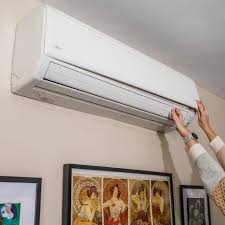
Common mini-split issues in Kingwood, TX
Kingwood’s climate and local conditions create predictable service needs. Typical problems technicians encounter include:
- Reduced cooling capacity: Often caused by dirty coils, restricted airflow, or incorrect refrigerant charge after leaks.
- Clogged condensate drains and pans: High humidity and pollen build-up lead to slow drainage, water overflow, and potential mold growth.
- Refrigerant leaks: Corrosion, vibration, or installation defects can lead to slow leaks and reduced efficiency.
- Electrical faults and short cycling: Wear on capacitors, contactors, or control boards leads to frequent on-off cycles or failure to start.
- Frozen evaporator coils: Low airflow or low refrigerant can cause ice formation, reducing cooling until thawed and repaired.
- Remote/controller and sensor issues: Communication errors, faulty sensors, or misconfigured settings lead to inconsistent comfort.
- Outdoor unit exposure: Debris, leaves, and standing water after storms can reduce condenser performance or cause mechanical damage.
What a routine mini-split service visit includes
A comprehensive service visit focuses on performance, safety, and longevity. Typical checks and tasks include:
- Visual inspection of indoor and outdoor units
- Coil cleaning (evaporator and condenser) and fin straightening when needed
- Condensate drain and pan cleaning to prevent clogs and mold
- Refrigerant level check and leak detection diagnostics
- Electrical inspection: wiring, capacitors, contactors, and safety controls
- Remote and controller troubleshooting and reprogramming
- Filter inspection, cleaning, or replacement guidance
- System performance test and airflow measurements
- Recommendations for efficiency improvements and parts that may need replacement
Diagnostic process explained
When a mini-split underperforms, technicians follow a systematic diagnostic process to find root causes rather than just treating symptoms:
- Interview and symptom logging: Confirm when problems occur and any recent changes (storms, power issues, reduced airflow).
- Visual and mechanical inspection: Look for damage, debris, or obvious component failures.
- Electrical testing: Measure voltage, current, and component function to identify failing parts.
- Refrigerant and pressure checks: Compare pressures and temperatures to manufacturer specifications to detect leaks or incorrect charge.
- Airflow and thermal readings: Verify proper airflow across the coil and correct supply/return temperatures.
- Controller and sensor verification: Check remote, wall controller, and temperature sensors for correct readings and responses.
- Operational run test: Observe a full cooling cycle to see how the system responds under load.
This method reduces repeated callbacks by resolving the underlying issue.
Repairs and solutions commonly performed
Solutions are practical and focused on restoring performance safely:
- Coil cleaning and fin repair to restore heat transfer
- Clearing or replacing condensate drains and pans; treating biofilm when present
- Locating and repairing refrigerant leaks; replacing lines or components if needed before recharge
- Replacing electrical components like capacitors, contactors, fuses, or control boards
- Fixing or replacing remote controls, thermostats, and sensors
- Repairing or replacing fan motors and blower assemblies when airflow is compromised
- Performing compressor or reversing valve repairs when required, with appropriate refrigerant handling practices
Technicians prioritize permanent fixes over temporary measures, especially when leaks or electrical faults are detected.
Performance optimization and energy savings
Optimizing a mini-split in Kingwood focuses on cooling capacity and humidity control:
- Proper refrigerant charge and clean coils maintain designed efficiency
- Tightening electrical connections and replacing worn components reduces energy waste
- Correct airflow and balanced zoning prevent short cycling and hot spots
- Upgrading filters or adding MERV-appropriate filtration can improve indoor air quality while maintaining airflow
- Smart controllers and setpoint strategies lower run time during shoulder seasons without sacrificing comfort
- Regular tune-ups before peak summer reduce the likelihood of mid-season failures during heat waves
Small optimizations can extend equipment life and lower monthly energy use.
Service agreements and maintenance plans
A maintenance plan tailored to Kingwood conditions typically includes:
- Scheduled visits twice per year (spring for cooling prep and fall for a post-season check)
- Standard inspection checklist covering coils, drains, refrigerant, and electrical systems
- Priority scheduling windows and documented service histories for each indoor unit
- Seasonal tuning and filter replacement reminders to maintain consistent performance
Service agreements help prevent emergency repairs during high-demand periods and provide predictable maintenance intervals for both residential and commercial systems.
When to request on-demand service in Kingwood
Arrange on-demand service if you notice any of the following:
- Little or no cold air during hot periods
- Water dripping or pooling near indoor units
- Unusual noises or vibrations from indoor or outdoor units
- System runs constantly without reaching setpoint
- Persistent odors or visible mold around indoor units
- Repeated tripping of breakers when the system starts
Because Kingwood experiences extended cooling seasons and occasional severe weather, prompt diagnosis can prevent larger failures and indoor comfort problems.
Simple maintenance tips for homeowners and building managers
Routine care between professional visits helps maintain performance:
- Clean or replace filters every 1 to 3 months depending on use and indoor air quality
- Keep the outdoor unit clear of foliage, mulch, and debris
- Check indoor units for visible dust or buildup and gently vacuum louvers
- Verify that wall controllers are set to appropriate modes and temperatures
- Watch for warning codes and record them for technicians
- Run the system briefly in shoulder months to keep components lubricated and seals intact
Regular observation and simple upkeep reduce service needs and preserve efficiency.
Q: How often should a mini-split in Kingwood be serviced?
A: Service at least once a year is a minimum; twice per year (spring and fall) is recommended for Kingwood’s long cooling season and high humidity.
Q: Can I recharge refrigerant myself?
A: No. Refrigerant handling requires specialized tools and certification; recharging without fixing a leak is a temporary fix and can damage the system.
Q: Will routine service improve indoor humidity control?
A: Yes. Clean coils, correct refrigerant charge, and proper airflow all help the system remove moisture more effectively.
Q: Are mini-split issues different for commercial systems?
A: Commercial systems often have larger capacities, multiple zones, and more complex controls; they benefit from more frequent inspections and coordinated maintenance schedules.
Q: What small problems can I safely handle on my own?
A: Replacing or cleaning filters, clearing debris around outdoor units, and checking controllers are safe tasks. Avoid opening panels or working on electrical components.
Q: How long does a typical service visit take?
A: Most routine maintenance visits take between 45 minutes and 2 hours depending on the number of indoor units and the scope of work required.
Maintenance Plan You Can Rely On
Basic Care
Perfect for newer systems or budget-conscious homeowners wanting essential protection.
$149/year

Annual comprehensive system inspection
Filter replacement (standard filters included)
15% discount on repairs
Priority scheduling within 48 hours
Premium Protection
Ideal for homes with systems 5+ years old or with moderate usage patterns.
$249/year

Bi-annual system inspections (spring & fall)
Filter replacement (premium filters included)
25% discount on all repairs
Priority scheduling within 24 hours
Free diagnostic fees ($89 value)
Elite Coverage
Best for older systems, luxury homes, or properties with critical climate control needs.
$349/year
Quarterly system inspections
All filters and minor parts included
30% discount on major repairs
Same-day emergency service
Extended 2-year warranty on repairs
Annual system efficiency optimization
Basic Care
Perfect for newer systems or budget-conscious homeowners wanting essential protection.
$149/year
Annual comprehensive system inspection
Filter replacement (standard filters included)
15% discount on repairs
Priority scheduling within 48 hours
Premium Protection
Ideal for homes with systems 5+ years old or with moderate usage patterns.
$249/year
Bi-annual system inspections (spring & fall)
Filter replacement (premium filters included)
25% discount on all repairs
Priority scheduling within 24 hours
Free diagnostic fees ($89 value)
Elite Coverage
Best for older systems, luxury homes, or properties with critical climate control needs.
$349/year
Quarterly system inspections
All filters and minor parts included
30% discount on major repairs
Same-day emergency service
Extended 2-year warranty on repairs
Annual system efficiency optimization
Hear What Our Satisfied Clients Have To Say