
Mini Split Maintenance in Porter, TX
Ensure your mini-split system runs efficiently with seasonal maintenance tailored for Porter, TX. Prevent issues and enhance indoor air quality today!
Scroll down to discover more

Mini-split maintenance in Porter, TX from Stat Air Care Air Conditioning & Heating is essential if you want reliable, efficient cooling and heating year round. Porter’s hot, humid summers and seasonal pollen loads put extra strain on ductless mini-split systems. Regular scheduled maintenance prevents performance losses, reduces energy bills, and helps avoid costly breakdowns when you need your system most.
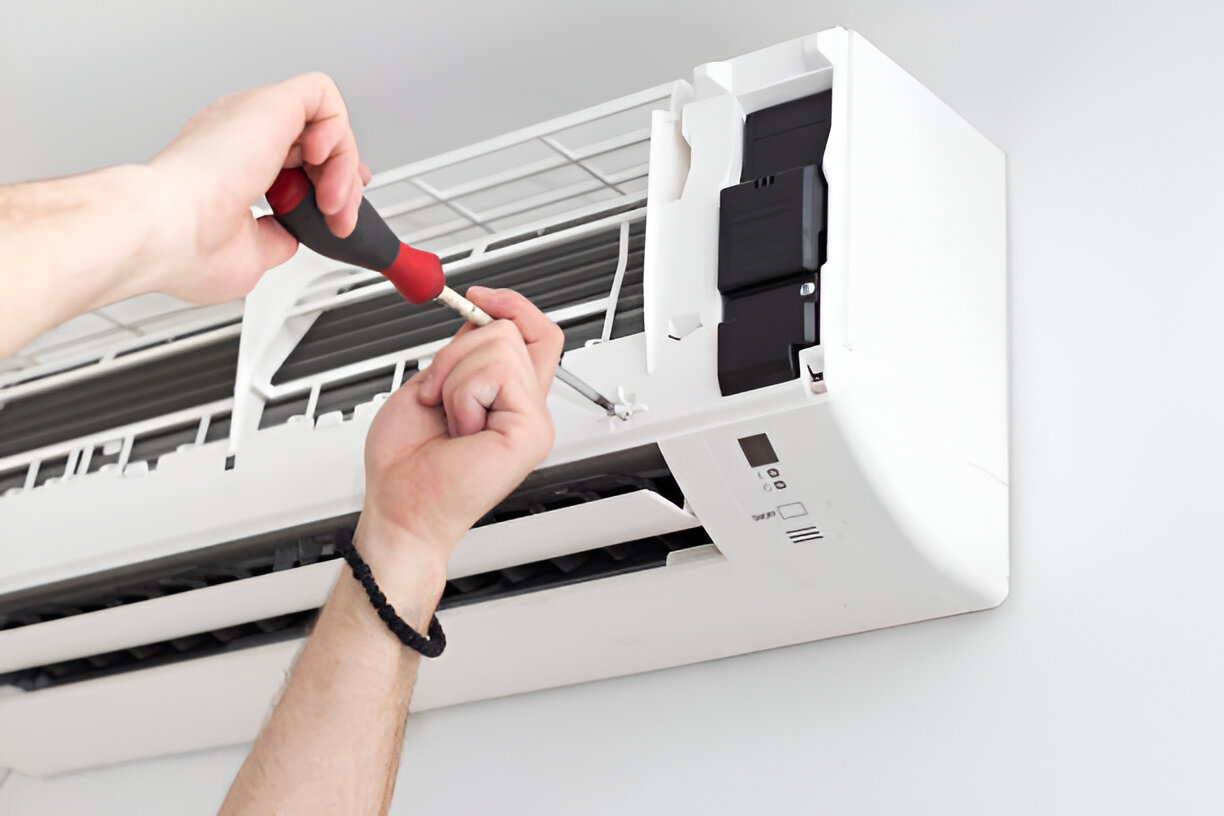
Why seasonal mini-split maintenance matters in Porter, TX
Porter sits in the humid subtropical zone east of Houston. High humidity and frequent heavy use during long cooling seasons increase the likelihood of coil fouling, reduced airflow, and condensate drain clogs. Rural and semi-rural properties around Porter also collect more dust, pollen, and construction debris, which accelerate filter loading and indoor coil contamination. Regular maintenance tailored to Porter conditions keeps refrigerant charges correct, electrical components in good condition, and airflow optimized so units run efficiently and last longer.
Common mini-split maintenance issues in Porter homes
- Clogged filters from pollen, pine needles, and dust, reducing airflow and indoor air quality
- Dirty evaporator and condenser coils that lower heat transfer and raise run times
- Condensate drain blockages causing water leaks and potential mold growth
- Refrigerant undercharge or slow leaks from line set corrosion or vibration wear
- Worn start capacitors, fan motors, or contactors causing hard starts or intermittent operation
- Loose electrical connections that create safety risks and unreliable performance
- Degraded line set insulation and outdoor unit corrosion from humidity and seasonal storms
What a typical scheduled mini-split tune-up includes
A professional seasonal program is structured to address Porter-specific risks while following industry best practices. Typical elements include:
- Visual inspection of indoor and outdoor units for damage, debris, and corrosion
- Filter inspection, cleaning, or replacement recommendation based on type and condition
- Coil cleaning for indoor evaporator and outdoor condenser coils to restore heat transfer
- Refrigerant and pressure checks, including measurement of superheat and subcooling to confirm proper charge
- Electrical inspection: verify connections, test capacitors and contactors, and check control wiring and fuses
- Airflow assessment and blower motor check to ensure adequate supply and return flow
- Drain and condensate pan inspection and cleaning to prevent overflows and mold
- Thermostat calibration and controls verification for accurate setpoint response
- Efficiency testing by recording operating temperatures, pressures, and current draw to identify stress or inefficiency
- Preventive repairs or parts recommendations when wear is identified
How technicians diagnose problems during maintenance
Technicians combine observation with targeted tests that reveal issues before they fail. In Porter, inspection priorities include coil cleanliness and refrigerant health because humidity and heavy use mask early symptoms.
- Refrigerant diagnostics: Gauge readings and temperature splits reveal undercharge or overcharge conditions. Proper refrigerant charge keeps the compressor from overheating and improves efficiency.
- Electrical testing: Technicians measure voltage and current to detect failing motors or capacitors that lead to hard starts and energy waste.
- Airflow measurement: Inspecting filters, fan speed, and ducting or wall sleeves ensures design airflow is met. Restricted airflow triggers freeze-ups or poor cooling.
- Condensate and drainage checks: Visual inspection plus flushes confirm drainage is clear and pans are intact. Standing water is a common source of odor and microbial growth.
- Performance benchmarking: Recording temperature differentials across the coil and runtime patterns helps identify components losing capacity before a breakdown.
Typical preventive repairs and solutions offered
When issues are found during a tune-up, preventive repairs restore reliability and avoid emergent service calls. Frequent items for Porter mini-splits include:
- Filter replacement or upgraded reusable filters to handle local pollen and dust loads
- Coil cleaning with noncorrosive cleaners and gentle rinsing to recover system capacity
- Refrigerant leak detection and repair for slow leaks; recharging to manufacturer specs after repair
- Replacing failing capacitors, fan motors, or relays to prevent compressor damage and improve start reliability
- Sealing or replacing damaged line set insulation to prevent condensation and energy loss
- Clearing or replacing clogged condensate lines and pans to prevent leaks and mold
- Tightening or replacing corroded electrical connections and protective components
Benefits of regular maintenance for Porter households
- Lower energy bills as systems operate near design efficiency instead of compensating for dirt, leaks, or electrical inefficiencies
- Fewer emergency repairs during peak summer heat when service availability can be limited
- Extended equipment life by avoiding stress on compressors and motors caused by improper charge or restricted airflow
- Better indoor air quality through clean filters and coils, especially important in high pollen seasons
- Preservation of warranty coverage in many cases when manufacturers require documented maintenance
- Predictable operating costs because technicians surface impending failures early and recommend cost-effective solutions
Recommended maintenance schedule for Porter, TX
- Spring tune-up focused on cooling readiness before the hottest months, including refrigerant and coil work
- Fall tune-up to prepare for cooler months and check reversing valves and heating mode if used
- Filter checks monthly during heavy pollen months; replace or clean as needed
- Immediate inspection after major storms or long outages if outdoor units were exposed to debris
Maintenance tips homeowners can do between service visits
- Clean or replace mini-split filters every 1 to 3 months depending on pollen and dust levels
- Keep outdoor unit clear of leaves, grass, and debris to maintain airflow and reduce coil clogging
- Inspect visible line set insulation and condensate lines for damage or sagging
- Monitor runtime and unusual noises; longer run times or rattles often signal service needs
Q: How often should a mini-split be serviced in Porter, TX?
A: A professional inspection and tune-up at least twice a year is recommended for Porter homes, with filter checks monthly during heavy pollen and peak cooling months.
Q: Will maintenance fix a refrigerant leak?
A: Maintenance can locate and assess refrigerant leaks. Repairs to the leak and a proper recharge are preventive steps performed after detection; a full repair may be recommended if a leak is found.
Q: Can cleaning filters and coils really lower my energy bills?
A: Yes. Clean filters and coils improve heat transfer and airflow, allowing the system to reach setpoints faster and run less, which directly lowers energy consumption.
Q: Are maintenance records important for warranty coverage?
A: Yes. Many manufacturers require documented regular maintenance to keep warranties valid, so keeping records of professional tune-ups is important.
Q: What signs mean I need service immediately?
A: Unusual noises, water leaks, sudden loss of cooling, ice on the evaporator coil, or repeated cycling are signs to schedule a professional inspection quickly.
This maintenance-focused approach keeps mini-splits in Porter operating efficiently and reliably through hot, humid seasons and changing local conditions. Regular, documented service reduces unexpected failures, supports indoor air quality, and prolongs equipment life so your home stays comfortable year round.
Maintenance Plan You Can Rely On
Basic Care
Perfect for newer systems or budget-conscious homeowners wanting essential protection.
$149/year

Annual comprehensive system inspection
Filter replacement (standard filters included)
15% discount on repairs
Priority scheduling within 48 hours
Premium Protection
Ideal for homes with systems 5+ years old or with moderate usage patterns.
$249/year

Bi-annual system inspections (spring & fall)
Filter replacement (premium filters included)
25% discount on all repairs
Priority scheduling within 24 hours
Free diagnostic fees ($89 value)
Elite Coverage
Best for older systems, luxury homes, or properties with critical climate control needs.
$349/year
Quarterly system inspections
All filters and minor parts included
30% discount on major repairs
Same-day emergency service
Extended 2-year warranty on repairs
Annual system efficiency optimization
Basic Care
Perfect for newer systems or budget-conscious homeowners wanting essential protection.
$149/year
Annual comprehensive system inspection
Filter replacement (standard filters included)
15% discount on repairs
Priority scheduling within 48 hours
Premium Protection
Ideal for homes with systems 5+ years old or with moderate usage patterns.
$249/year
Bi-annual system inspections (spring & fall)
Filter replacement (premium filters included)
25% discount on all repairs
Priority scheduling within 24 hours
Free diagnostic fees ($89 value)
Elite Coverage
Best for older systems, luxury homes, or properties with critical climate control needs.
$349/year
Quarterly system inspections
All filters and minor parts included
30% discount on major repairs
Same-day emergency service
Extended 2-year warranty on repairs
Annual system efficiency optimization
Hear What Our Satisfied Clients Have To Say