
Mini Split Repair in Spring, TX
Mini-split repair in Spring, TX: expert diagnostics, quick on-site service, and reliable OEM-part repairs. Schedule your repair today for fast results.
Scroll down to discover more

Mini-split systems are a popular choice for Spring, TX homes because they deliver efficient, zone-specific cooling without ductwork. With hot, humid summers and frequent electrical storms in the Houston area, mini-splits here face unique stresses, but Stat Air Care Air Conditioning & Heating is here to address sudden breakdowns or reduced efficiency over time.
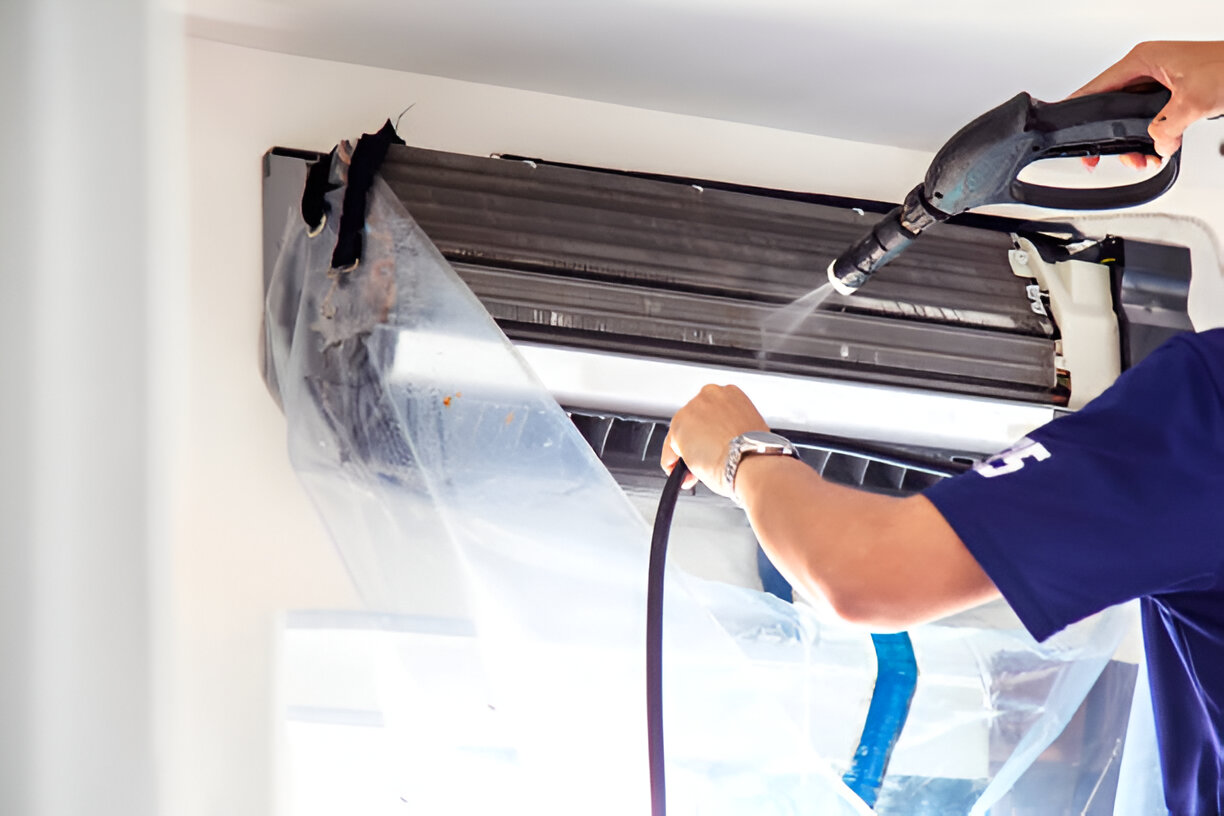
Common mini-split issues in Spring, TX
- Compressor failures
- Symptoms: system runs but no cooling, loud humming or clanking, tripped breakers.
- Causes in Spring: power surges from storms, poor refrigerant charge, or long-term wear on older units.
- Refrigerant leaks
- Symptoms: gradual loss of cooling, ice on the evaporator coil, hissing sounds.
- Causes in Spring: corrosion from high humidity, physical damage to lines, or poor connections.
- Electrical and control problems
- Symptoms: unit does not power on, intermittent operation, blown fuses.
- Causes in Spring: frequent power fluctuations, rodent or insect damage to wiring, degraded capacitors and inverter boards.
- Thermostat and remote control faults
- Symptoms: unit ignores settings, incorrect temperature reporting, communication errors.
- Causes: sensor drift, faulty remotes, wiring issues, or software faults in the indoor unit.
- Airflow and drainage problems
- Symptoms: weak airflow, water leaks inside, odors, frozen indoor coil.
- Causes: clogged filters from pollen and dust, blocked condensate drains, dirty coils from high pollen counts in springtime.
- Unusual noises or vibration
- Symptoms: rattling, grinding, squeals.
- Causes: loose mounting hardware, failing fan motors, or debris lodged in the outdoor coil.
How professionals diagnose mini-split problems
A systematic diagnostic approach identifies root causes quickly and prevents unnecessary repairs.
Initial assessment and history
- Technician documents symptoms, usage patterns, and recent weather events or outages common in Spring, TX.
Visual and safety checks
- Inspect indoor and outdoor units, wiring, mounting, refrigerant lines, and condensate drains for obvious damage.
Electrical testing
- Measure voltage, current draw, and continuity on compressors, fans, capacitors, and control boards to detect failures or unsafe conditions.
Refrigerant pressure and leak detection
- Check system pressures and temperature differentials, use electronic leak detectors or UV dye when appropriate to locate leaks.
Airflow and coil inspection
- Measure supply and return temperatures, inspect and clean coils and filters, check condensate drain function.
System performance verification
- Run the system through cycles, observe inverter behavior and diagnostic codes, and document findings for an accurate repair plan.
Typical repairs and parts replacement
Common repairs depend on the diagnosed fault and the system age.
- Compressor replacement
- Complex repair that often requires evacuation and recovery of refrigerant, correct oil and refrigerant match, and sometimes line modifications.
- Inverter or control board repair
- Replacing electronic modules can restore operation but requires careful handling and configuration.
- Refrigerant line and leak repair
- Locating and repairing the leak, recovering refrigerant, pressure testing, and recharging to specification.
- Fan motor, capacitor, and relay replacement
- Quick fixes that often restore airflow and start-up reliability.
- Coil cleaning and condensate drain service
- Removes debris, pollen, and biological buildup that block airflow and drainage.
- Thermostat, remote, or sensor replacement
- Replacing faulty sensors or controls to restore accurate temperature regulation.
OEM parts are preferred to maintain performance and warranty coverage. Availability of specific parts and refrigerant types can affect repair timelines in Spring, TX, especially during peak season or after storms.
Emergency response and typical timeline
Emergency response in hot, humid conditions focuses on restoring safe cooling quickly.
- On-site triage
- A technician can often identify urgent issues on arrival and perform immediate safety fixes to restore partial operation.
- Same-day diagnostics
- Many faults can be diagnosed within 1 to 2 hours. Simple parts replacements or clearing a drain can be completed the same visit.
- Parts ordering and follow-up
- More complex repairs that require special parts, compressors, or circuit boards may need parts ordering. Delivery times can vary and may extend the total repair timeline by several days.
- Storm and hurricane season impacts
- Heavy storm activity can cause surges and damage, increasing demand for repairs and affecting part availability.
Warranty handling and documentation
- Check manufacturer and installer warranties
- Confirm the unit serial number, original purchase date, and any registered warranties before performing work that could affect coverage.
- Use of OEM parts
- Using original parts can protect manufacturer warranties where required.
- Document all repairs
- Keep records of diagnostic results, replaced parts, and refrigerant charges. Proper documentation supports warranty claims and future service decisions.
Factors that influence repair cost
Repair costs vary based on multiple factors:
- Age and overall condition of the mini-split
- Type of refrigerant and current regulations for handling it
- Required parts availability and whether OEM components are needed
- Complexity of accessing indoor or outdoor units and any line set modifications
- Local demand and seasonal pressures in Spring, TX
Technicians can present repair options that weigh short-term fixes against long-term reliability, helping you decide the best path forward for your home.
Tips to prevent future breakdowns in Spring, TX
- Schedule annual professional maintenance before summer to verify refrigerant charge, electrical integrity, and airflow.
- Clean or change filters monthly during high-use months to reduce strain and pollen-related clogging.
- Keep the outdoor unit clear of debris, vegetation, and lawn trimmings to preserve airflow and prevent corrosion.
- Install whole-home surge protection or a dedicated HVAC surge suppressor to reduce damage from summer storms.
- Insulate and secure refrigerant lines and check insulation periodically, especially after heat or storm events.
- Address odd noises and reduced performance early to avoid escalated repairs during peak heat.
FAQs
Q: How long does a typical mini-split repair take?
A: Diagnosis is often completed within 1 to 2 hours. Simple repairs can be finished on the same visit; complex repairs that require special parts or compressors can take several days depending on parts availability.
Q: Can refrigerant just be added to fix low cooling?
A: Adding refrigerant without locating and repairing a leak is a temporary fix and is not recommended. Refrigerant handling must follow regulations and should be performed by certified technicians.
Q: Is my mini-split worth repairing or should I replace it?
A: Consider repair if the unit is relatively new and the fault is limited to components like a motor or board. Replacement is often more cost effective when the compressor has failed on an older unit, when refrigerant is phased out, or when system efficiency is poor.
Q: Will a manufacturer warranty cover my repair?
A: Warranty coverage depends on the manufacturer, the unit age, registration, and whether OEM parts are used. Always check warranty terms and keep repair documentation to support claims.
Q: What makes mini-splits in Spring, TX fail more often than elsewhere?
A: Hot, humid summers, high pollen, and frequent electrical storms contribute to accelerated coil corrosion, clogged filters, and electrical component stress, which can increase failure rates without regular maintenance.
Maintenance Plan You Can Rely On
Basic Care
Perfect for newer systems or budget-conscious homeowners wanting essential protection.
$149/year

Annual comprehensive system inspection
Filter replacement (standard filters included)
15% discount on repairs
Priority scheduling within 48 hours
Premium Protection
Ideal for homes with systems 5+ years old or with moderate usage patterns.
$249/year

Bi-annual system inspections (spring & fall)
Filter replacement (premium filters included)
25% discount on all repairs
Priority scheduling within 24 hours
Free diagnostic fees ($89 value)
Elite Coverage
Best for older systems, luxury homes, or properties with critical climate control needs.
$349/year
Quarterly system inspections
All filters and minor parts included
30% discount on major repairs
Same-day emergency service
Extended 2-year warranty on repairs
Annual system efficiency optimization
Basic Care
Perfect for newer systems or budget-conscious homeowners wanting essential protection.
$149/year
Annual comprehensive system inspection
Filter replacement (standard filters included)
15% discount on repairs
Priority scheduling within 48 hours
Premium Protection
Ideal for homes with systems 5+ years old or with moderate usage patterns.
$249/year
Bi-annual system inspections (spring & fall)
Filter replacement (premium filters included)
25% discount on all repairs
Priority scheduling within 24 hours
Free diagnostic fees ($89 value)
Elite Coverage
Best for older systems, luxury homes, or properties with critical climate control needs.
$349/year
Quarterly system inspections
All filters and minor parts included
30% discount on major repairs
Same-day emergency service
Extended 2-year warranty on repairs
Annual system efficiency optimization
Hear What Our Satisfied Clients Have To Say