
Mini Split Tune-up in Spring, TX
Professional mini-split tune-ups in Spring, TX improve efficiency, airflow, and comfort. Schedule now for reliable performance and preventive maintenance.
Scroll down to discover more

Keeping mini-split systems maintained by Stat Air Care Air Conditioning & Heating is critical for reliable comfort and efficiency in Spring, TX. With long, hot, humid summers and frequent pollen and storm exposure, mini-splits that go unchecked often lose performance, waste energy, and develop moisture-related problems. A professional mini-split tune-up restores proper operation, identifies small problems before they become breakdowns, and improves comfort and indoor air quality for your home.
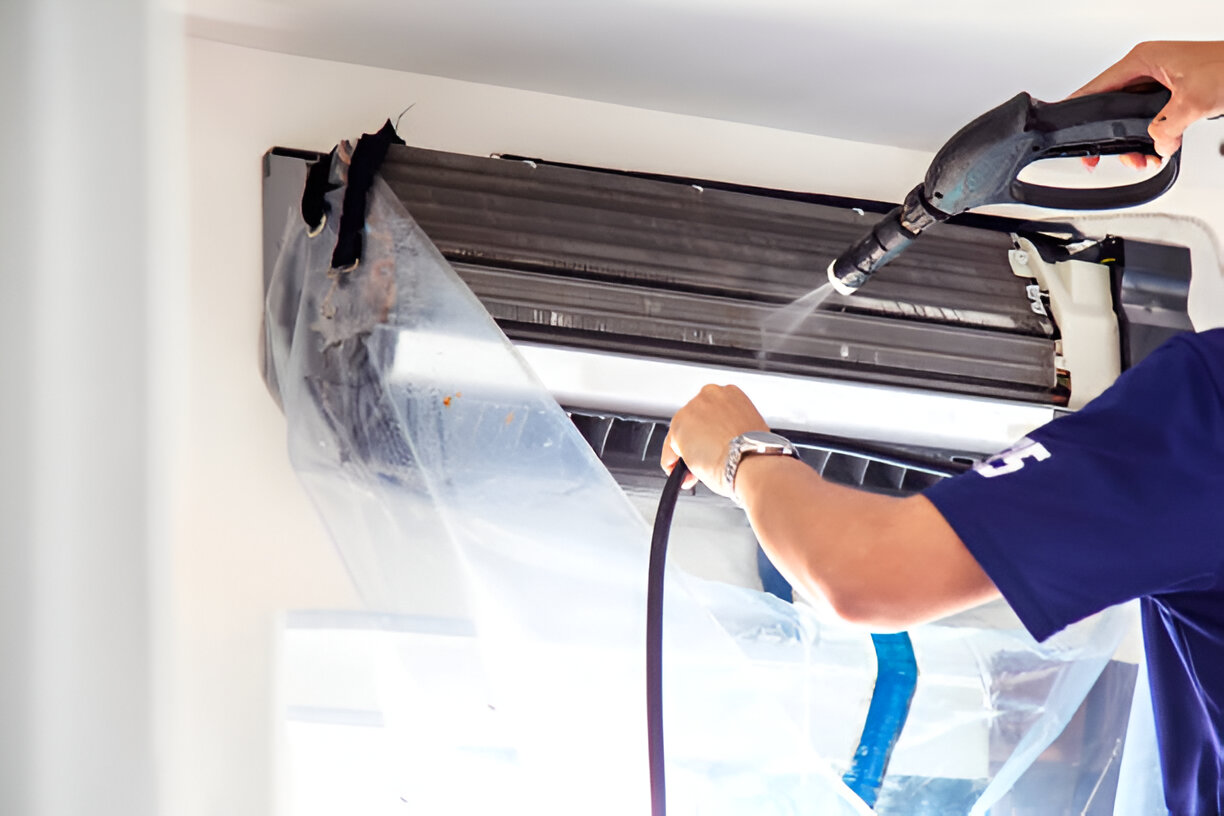
What a Mini-split Tune-up Includes
A comprehensive tune-up covers inspection, cleaning, testing, and performance measurement. Typical tasks performed by a trained technician include:
- Filter cleaning or inspection
Remove, clean, or inspect washable filters and note when replacements are needed to maintain airflow and indoor air quality. - Evaporator and condenser coil cleaning
Clean indoor evaporator coils and outdoor condenser coils to improve heat transfer and system efficiency. - Refrigerant pressure check and leak assessment
Measure refrigerant pressures to confirm correct charge and inspect accessible connections and line sets for signs of leaks. - Electrical inspection and tightening
Check and tighten electrical connections, measure voltage and amperage on motors and compressors, and inspect capacitors and contactors. - Controls and sensor testing
Verify remote controls, wall controllers, sensors, and safety switches function correctly and recalibrate controls if needed. - Airflow and temperature performance testing
Measure airflow and delta T (the temperature difference between supply and return air) to verify the system is meeting design expectations. - Drain and condensate system check
Clear drain lines and inspect condensate pans and pumps to prevent clogging and water damage. - Outdoor unit inspection
Remove debris, check fan and motor operation, inspect mounting and vibration isolation, and ensure clear airflow. - Operational run test and report
Run the system through cooling and heating cycles, record performance metrics, and provide a written checklist or report noting findings and recommendations.
Why Spring, TX Homes Need Regular Tune-ups
Spring, TX sits in a climate that stresses cooling equipment. Summers are hot and humid, causing mini-splits to run longer and struggle with moisture removal. Spring brings heavy pollen loads that clog filters and coils. Occasional storms and power fluctuations can loosen electrical connections or stress components. Regular tune-ups address these local factors by maintaining efficiency, reducing the risk of moisture-related mold or odor issues, and keeping your system resilient through peak cooling periods.
Recommended Frequency and Best Timing
- Minimum: Once per year for light usage or newer, well-matched systems.
- Ideal for Spring, TX: Twice per year — once before the cooling season (late spring) and once in early fall to prepare for heating cycles and remove accumulated pollen and debris.
- Schedule tune-ups before prolonged heatwaves and after heavy pollen seasons to maximize seasonal performance and protection.
Expected Improvements After a Tune-up
After a professional tune-up, homeowners typically notice:
- Faster recovery to set temperatures and more consistent comfort across rooms
- Improved humidity control and reduced condensation or musty odors
- Lower energy use and reduced strain on the compressor
- Reduced noise from fans or compressors due to tightened components and lubricated motors
- Fewer unexpected service calls and extended equipment life
- Clear documentation of system condition and prioritized recommendations for any needed repairs
What to Expect During an Appointment
A standard mini-split tune-up typically takes 45 to 90 minutes per indoor/outdoor pair, depending on access and condition. The technician will:
- Ask about recent performance issues or unusual noises
- Inspect both indoor and outdoor units and remove covers as required
- Clean filters and coils where possible and safe
- Perform electrical and refrigerant checks and run performance tests
- Provide a written checklist or summary of findings and recommended next steps
Homeowners should clear the area around indoor units and ensure outdoor units are accessible. Keep remotes or controllers available for testing.
Common Problems Found During Tune-ups in Spring, TX
- Clogged filters and dirty coils reducing cooling capacity
- Low refrigerant from small leaks showing up as reduced cooling or ice on the coil
- Clogged condensate drains leading to water stains or indoor humidity issues
- Loose electrical connections or failing capacitors causing intermittent operation
- Fan motor wear or outdoor unit debris restricting airflow
- Sensor drift or control malfunctions causing short cycling or poor temperature control
Maintenance Tips Between Professional Tune-ups
- Clean or vacuum washable filters every 2 to 4 weeks during heavy use
- Keep outdoor units free of leaves, grass, and stored items to ensure airflow
- Check condensate pans and drains for standing water or slow drainage
- Monitor energy use and indoor comfort for early signs of trouble
- Replace remote batteries and keep controller locations unobstructed
Q: How long does a mini-split tune-up take?
A: Most tune-ups take about 45 to 90 minutes per indoor/outdoor pair, depending on the unit condition and accessibility.
Q: How often should I schedule a tune-up in Spring, TX?
A: At minimum once per year; for Spring, TX conditions we recommend twice yearly—before summer and in early fall.
Q: Will a tune-up fix a refrigerant leak?
A: A tune-up will identify pressure abnormalities and signs of leaks. Repairing a leak and recharging refrigerant is a repair task that may be recommended after diagnosis.
Q: Can tune-ups reduce my energy bills?
A: Yes. Cleaning coils and filters, correcting refrigerant charge, and tightening electrical connections all improve efficiency and can lower energy consumption, especially in high-use seasons.
Q: What should I do to prepare my home for the technician?
A: Clear access to indoor units, make sure the outdoor unit is reachable, and have any remotes or controllers available. Remove pets from the work area.
Q: Is tune-up documentation provided?
A: A professional tune-up typically includes a checklist or report summarizing inspections, measurements, and recommended repairs to help you prioritize needed work.
Maintenance Plan You Can Rely On
Basic Care
Perfect for newer systems or budget-conscious homeowners wanting essential protection.
$149/year

Annual comprehensive system inspection
Filter replacement (standard filters included)
15% discount on repairs
Priority scheduling within 48 hours
Premium Protection
Ideal for homes with systems 5+ years old or with moderate usage patterns.
$249/year

Bi-annual system inspections (spring & fall)
Filter replacement (premium filters included)
25% discount on all repairs
Priority scheduling within 24 hours
Free diagnostic fees ($89 value)
Elite Coverage
Best for older systems, luxury homes, or properties with critical climate control needs.
$349/year
Quarterly system inspections
All filters and minor parts included
30% discount on major repairs
Same-day emergency service
Extended 2-year warranty on repairs
Annual system efficiency optimization
Basic Care
Perfect for newer systems or budget-conscious homeowners wanting essential protection.
$149/year
Annual comprehensive system inspection
Filter replacement (standard filters included)
15% discount on repairs
Priority scheduling within 48 hours
Premium Protection
Ideal for homes with systems 5+ years old or with moderate usage patterns.
$249/year
Bi-annual system inspections (spring & fall)
Filter replacement (premium filters included)
25% discount on all repairs
Priority scheduling within 24 hours
Free diagnostic fees ($89 value)
Elite Coverage
Best for older systems, luxury homes, or properties with critical climate control needs.
$349/year
Quarterly system inspections
All filters and minor parts included
30% discount on major repairs
Same-day emergency service
Extended 2-year warranty on repairs
Annual system efficiency optimization
Hear What Our Satisfied Clients Have To Say