
Mini Split Service in Spring, TX
Mini-Split service Spring TX offers expert diagnostics, repair, and maintenance for homes and businesses. Schedule your service today.
Scroll down to discover more

Mini-split systems are a common choice for Spring, TX homes and businesses because they deliver efficient, zoned cooling and heating without extensive ductwork. In a climate with hot, humid summers and mild winters, reliable performance from Stat Air Care Air Conditioning & Heating is essential for comfort, indoor air quality, and energy savings.
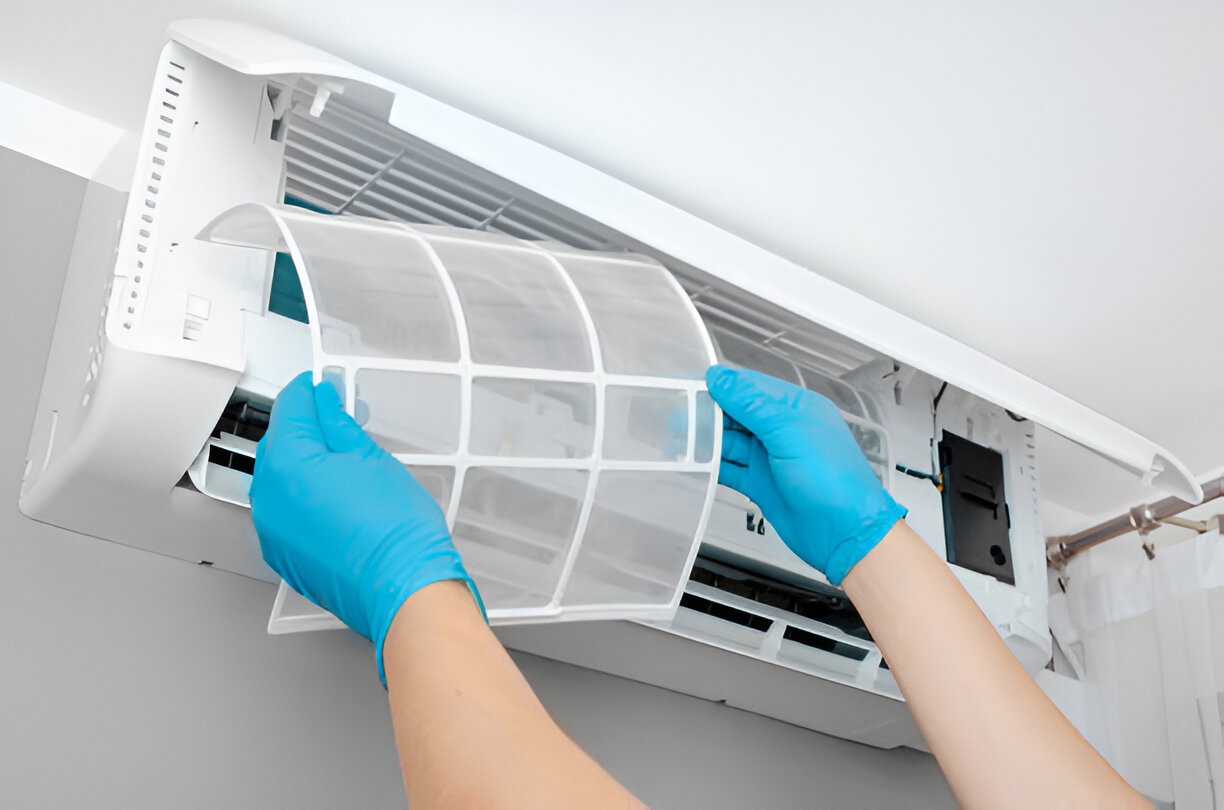
Why regular mini-split service matters in Spring, TX
Spring’s humidity and heavy summer heat put extra strain on mini-splits. High humidity increases run-times and condensate load, which raises the risk of clogged drains, coil icing, and mold growth in drain pans. Frequent on-off cycling and long run times can accelerate wear on compressors and electronics. Regular servicing reduces breakdown risk, restores efficiency, and helps preserve manufacturer warranties.
Common mini-split issues in Spring, TX
- Weak airflow or uneven cooling: Often caused by dirty filters, blocked indoor unit coils, failing blower motors, or refrigerant issues.
- Insufficient cooling or heating: Can indicate low refrigerant, compressor problems, or thermostat/control failures.
- Frozen evaporator coil: Caused by restricted airflow, low refrigerant, or dirty coils; common when humidity is high.
- Water leaks or clogged condensate drains: Heavy humidity makes drain issues more likely, which can lead to water damage or bacterial growth.
- Strange noises or vibration: Loose mounting, fan blade damage, or failing bearings in indoor or outdoor units.
- Electrical faults and control failures: Corroded connections, capacitor failure, or inverter board issues that need careful diagnostics.
Diagnostic and inspection process
A thorough diagnostic visit follows a structured approach to identify root causes rather than treating symptoms:
- System history review: Confirm model, age, maintenance record, and prior repairs.
- Visual inspection: Check indoor units, outdoor condensing unit, line sets, insulation, and drain lines for obvious damage or blockages.
- Airflow and temperature testing: Measure supply and return temperatures and airflow to determine performance gaps.
- Refrigerant and pressure checks: Verify refrigerant charge against manufacturer specifications and inspect for leaks.
- Electrical and control testing: Test capacitors, contactors, fuses, and control boards for faults.
- Drain and coil inspection: Inspect condensate pans and coils for clogs, biofilm, or corrosion.
- Report and recommendations: Provide a clear explanation of findings and prioritized repair or maintenance options.
Typical diagnostic visits take 45 to 90 minutes depending on the complexity and the size of the system.
Repairs, parts, and warranty support
- Quality parts: Repairs use manufacturer-recommended parts or equivalent high-quality components to maintain performance and reliability. Using the correct parts helps protect manufacturer warranties and prolongs system life.
- Refrigerant handling: Work is performed to follow manufacturer specifications and local refrigerant regulations. If refrigerant is low, technicians test for leaks and repair them before recharging.
- Electronics and controls: Inverter drives and control boards are diagnosed thoroughly; replacements are carried out only when necessary to avoid unnecessary expense.
- Warranty coordination: Service records and diagnostic findings are documented to support manufacturer warranty claims where applicable and to preserve warranty coverage through recommended maintenance.
Service agreements and preventive maintenance
Service agreements are structured to deliver consistent, year-round performance and to lower total ownership cost:
- Routine inspections: Seasonal tune-ups before summer and winter to optimize efficiency and catch issues early.
- Filter and coil care: Routine cleaning or replacement of filters, and coil cleaning to restore airflow and heat transfer.
- Priority scheduling: Predictable maintenance windows and priority response during peak demand periods.
- Record keeping: Detailed service history to support warranties and inform future recommendations.
A proactive maintenance plan reduces emergency breakdowns, improves energy efficiency, and helps extend equipment life.
Residential vs commercial mini-split service
- Residential service: Focuses on comfort zone optimization, quiet operation, and indoor air quality for bedrooms, living spaces, or home offices. Residential visits often include education on filter care and system settings to maximize efficiency.
- Commercial service: Designed for multi-zone systems, light commercial units, and applications like retail, offices, or restaurants. Commercial jobs often require coordination for off-hours work, larger parts inventories, and attention to uptime and occupant comfort.
Emergency call-outs and urgent repairs
Urgent failures happen, especially during Spring and summer heat. Emergency call-outs for complete system failure, indoor flooding from condensate leaks, or major electrical hazards are handled with triage-style diagnostics to stabilize the system quickly, followed by comprehensive repairs. Response times vary by availability and severity, and emergency visits focus first on safety and temporary restoration of cooling or heating.
What to expect during a service visit or consultation
- A technician will review system history and symptoms, inspect indoor and outdoor units, and perform diagnostic tests.
- You will receive a clear explanation of findings and prioritized recommendations, including estimated timeframes for repairs and parts that may be required.
- For maintenance visits, technicians typically clean or replace filters, clear condensate drains, brush and vacuum coils, check refrigerant levels, and test electrical components.
- Service documentation is provided to help with future maintenance and warranty support.
Benefits of regular mini-split service in Spring, TX
- Improved energy efficiency and lower utility bills during long cooling seasons.
- Fewer unexpected breakdowns and reduced repair costs over time.
- Better indoor comfort and humidity control in Spring’s humid climate.
- Longer equipment life and preserved warranty coverage.
FAQs
Q: How often should a mini-split be serviced in Spring, TX?
A: For Spring’s climate, a minimum of annual professional maintenance is recommended, with twice-yearly visits preferred for high-use systems or properties with heavy humidity exposure.
Q: What does a standard maintenance visit include?
A: A standard visit typically includes filter cleaning or replacement, coil cleaning, condensate drain inspection and clearing, refrigerant and pressure checks, airflow testing, and electrical safety checks.
Q: How can I tell if my mini-split is low on refrigerant?
A: Signs include reduced cooling capacity, longer run times without reaching set temperature, ice on the indoor coil, and hissing sounds near line sets. Proper diagnostics are needed to confirm and locate leaks.
Q: Do you use OEM parts for repairs?
A: Repairs prioritize manufacturer-recommended parts or equivalent high-quality components to maintain system performance and warranty coverage.
Q: Can mini-splits be serviced during business hours for commercial properties?
A: Yes, commercial servicing can often be scheduled during off-hours to minimize disruption, with technicians prepared for multi-zone systems and larger jobs.
Q: Will regular maintenance help control humidity in my home?
A: Yes, maintaining coil cleanliness, proper refrigerant charge, and adequate airflow helps mini-splits dehumidify effectively, which is especially important in Spring’s humid conditions.
Maintenance Plan You Can Rely On
Basic Care
Perfect for newer systems or budget-conscious homeowners wanting essential protection.
$149/year

Annual comprehensive system inspection
Filter replacement (standard filters included)
15% discount on repairs
Priority scheduling within 48 hours
Premium Protection
Ideal for homes with systems 5+ years old or with moderate usage patterns.
$249/year

Bi-annual system inspections (spring & fall)
Filter replacement (premium filters included)
25% discount on all repairs
Priority scheduling within 24 hours
Free diagnostic fees ($89 value)
Elite Coverage
Best for older systems, luxury homes, or properties with critical climate control needs.
$349/year
Quarterly system inspections
All filters and minor parts included
30% discount on major repairs
Same-day emergency service
Extended 2-year warranty on repairs
Annual system efficiency optimization
Basic Care
Perfect for newer systems or budget-conscious homeowners wanting essential protection.
$149/year
Annual comprehensive system inspection
Filter replacement (standard filters included)
15% discount on repairs
Priority scheduling within 48 hours
Premium Protection
Ideal for homes with systems 5+ years old or with moderate usage patterns.
$249/year
Bi-annual system inspections (spring & fall)
Filter replacement (premium filters included)
25% discount on all repairs
Priority scheduling within 24 hours
Free diagnostic fees ($89 value)
Elite Coverage
Best for older systems, luxury homes, or properties with critical climate control needs.
$349/year
Quarterly system inspections
All filters and minor parts included
30% discount on major repairs
Same-day emergency service
Extended 2-year warranty on repairs
Annual system efficiency optimization
Hear What Our Satisfied Clients Have To Say