
Mini Split Replacement in Splendora, TX
Stat Air Care AC and Heating provides mini-split replacement in Splendora, TX with fast, reliable service to improve comfort. Learn more and schedule today!
Scroll down to discover more

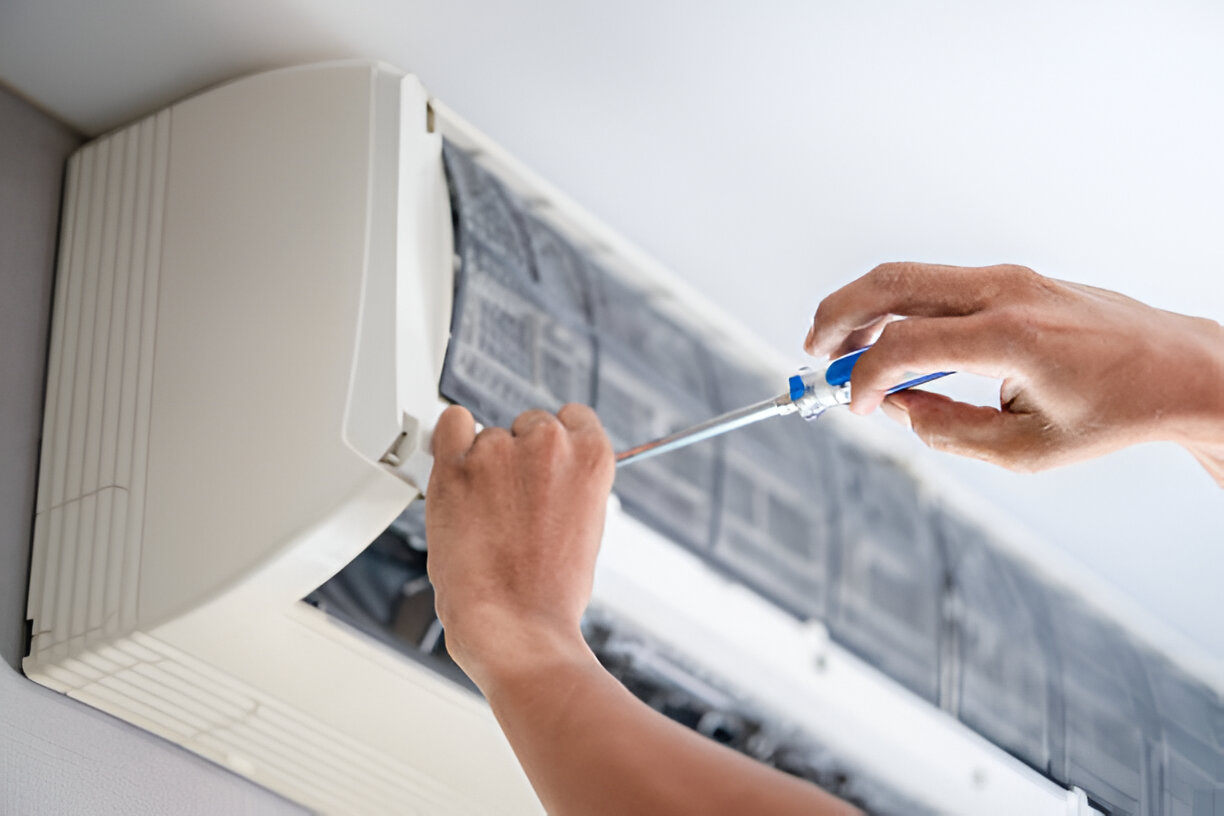
Upgrading or replacing a mini-split system with Stat Air Care Air Conditioning & Heating is one of the most cost-effective ways to restore comfort, lower energy bills, and improve indoor air quality for Splendora homes. With humid, hot summers and mild winters in East Texas, an aging or undersized mini-split often struggles to keep up—resulting in short cycling, high electric costs, uneven cooling, or persistent humidity problems.
Why replace your mini-split now
- Older systems lose efficiency over time, increasing monthly utility costs during long summer runs.
- Refrigerant phase-outs and stricter efficiency standards make new models both more environmentally friendly and cheaper to run.
- Replacing a failing indoor or outdoor unit reduces risk of emergency breakdowns during peak heat.
- New multi-zone units offer precise zoning and improved humidity control—important in Splendora’s humid climate.
Common mini-split problems in Splendora
- Reduced cooling capacity or weak airflow, especially on the hottest days
- Frequent short cycles or the unit failing to reach set temperature
- Leaking refrigerant or visible oil on fittings
- Moisture or mold buildup in indoor units due to poor drainage
- Noisy outdoor compressors or noisy indoor blowers
- Compatibility issues when trying to add zones to an older system
System assessment: what a professional will check
A thorough replacement assessment identifies the right path forward and prevents surprises during installation. Typical inspection steps:
- Load evaluation for your home (informal sizing discussion and recommendation to perform a Manual J if needed)
- Inspection of existing line sets, wall penetrations, electrical circuit capacity, and breaker panel
- Examination of the outdoor pad/placement and clearance for airflow
- Verification of refrigerant type and recovery needs for safe disposal
- Evaluation of indoor unit locations for airflow patterns, mounting options, and condensate routing
Choosing the right replacement unit and sizing guidance
Replacing a mini-split is not just about matching BTU numbers. Proper selection ensures comfort and efficiency:
- Match capacity to actual cooling load, not just room square footage. Oversized units can short cycle; undersized units will run continuously.
- Consider inverter-driven, variable-speed compressors for better humidity control and energy savings in Splendora’s humid summers.
- Evaluate single-zone vs multi-zone options based on room layout, additions, and future plans.
- Look at SEER and HSPF ratings for long-term energy performance and check for Energy Star certified models.
- Factor in noise levels, filter types, and smart controls for convenience and IAQ improvements.
Removal and disposal of old equipment
- Refrigerant recovery is handled per EPA regulations to prevent atmospheric release. Professional techs will recover and document refrigerant removal.
- Old units are disconnected, safely removed, and recycled or disposed of according to local codes.
- Any salvageable components are discussed during assessment. Old line sets or electrical may be removed or re-used only if in safe, code-compliant condition.
Installation coordination and what to expect
A smooth replacement requires coordination across several tasks:
- Electrical upgrades: New units often require dedicated circuits or upgraded breakers; panel capacity is checked.
- Line set and piping: New copper lines or re-flaring of existing lines, insulation, and secure routing through walls.
- Condensate management: Correct drain routing or condensate pumps installed to prevent leaks and mold.
- Mounting and clearance: Proper outdoor unit pad or bracket placement to protect from flooding and ensure airflow.
- System charging and testing: Refrigerant charge, vacuuming lines, leak testing, and performance checks at full load.
- Post-install setup: Thermostat or remote programming, zone balancing, and homeowner orientation on operation and maintenance.
Expected project timeline
- On-site assessment: typically 1 to 2 hours
- Permit and equipment lead time: can vary; often days to a few weeks depending on parts availability and permit schedules
- Installation duration: single-zone replacements are often completed in one day; multi-zone or retrofit jobs may take one to three days depending on complexity
- Final testing and handoff: 1 to 2 hours after installation to verify performance and explain operation
Cost drivers (what influences your replacement cost)
While actual prices vary, these factors mainly determine total project cost:
- Number of zones to replace or add
- Complexity of retrofit work, such as new line runs through finished walls or ceilings
- Need for electrical service upgrades or new circuits
- Type of unit selected (inverter-driven, higher SEER models cost more but save energy)
- Local permit requirements and disposal fees
- Accessibility of installation locations (roof vs ground mount, multi-story homes)
Financing and rebate considerations
- Homeowners in Splendora may qualify for local utility rebates or federal incentives for high-efficiency HVAC equipment; eligibility often depends on model efficiency ratings and installation documentation.
- Many financing options are available through equipment providers and third-party lenders to spread payments over time; terms vary widely.
- Proper documentation, including invoices, model numbers, and installer certification, is necessary to pursue rebates or tax incentives.
Warranty and long-term protection
- New mini-split systems typically include a manufacturer warranty on major components (commonly compressor and parts) and a separate warranty on the indoor fan and control components.
- Labor warranties cover installation workmanship for a defined period; registering the equipment and ensuring professional installation are often required to keep manufacturer warranties valid.
- Keep records of installation, commissioning reports, and service visits to support warranty claims and future resale value.
Maintenance tips to protect your investment
- Clean or replace filters regularly as recommended by the manufacturer to maintain airflow and efficiency.
- Schedule annual professional tune-ups to check refrigerant charge, electrical connections, and condensate drainage.
- Keep outdoor units clear of vegetation and maintain adequate clearance for airflow.
- Address any unusual noises, odors, or reduced performance promptly to avoid more extensive repairs.
FAQs
Q: How do I know if my mini-split needs replacement rather than repair?
A: If the unit repeatedly needs major repairs, cannot hold temperature, uses an older refrigerant no longer supported, or is more than 10 to 12 years old with declining efficiency, replacement often delivers better long-term value.
Q: Will replacing one indoor head force me to replace the entire system?
A: Not always. If the outdoor compressor is compatible and in good condition, replacing a single indoor head may be possible. A full assessment will confirm compatibility and long-term reliability.
Q: How long will a new mini-split last?
A: With proper installation and regular maintenance, modern mini-splits typically last 12 to 20 years, depending on usage and environmental conditions.
Q: Are mini-splits a good option for older Splendora homes without ductwork?
A: Yes. Mini-splits are an efficient, low-impact solution for ductless retrofit projects, allowing targeted comfort in rooms where ductwork is impractical or too costly.
Q: What documentation is needed to apply for rebates or incentives?
A: Keep model numbers, installation invoices, and the contractor’s commissioning report. Many programs require proof of equipment efficiency ratings and professional installation confirmation.
Maintenance Plan You Can Rely On
Basic Care
Perfect for newer systems or budget-conscious homeowners wanting essential protection.
$149/year

Annual comprehensive system inspection
Filter replacement (standard filters included)
15% discount on repairs
Priority scheduling within 48 hours
Premium Protection
Ideal for homes with systems 5+ years old or with moderate usage patterns.
$249/year

Bi-annual system inspections (spring & fall)
Filter replacement (premium filters included)
25% discount on all repairs
Priority scheduling within 24 hours
Free diagnostic fees ($89 value)
Elite Coverage
Best for older systems, luxury homes, or properties with critical climate control needs.
$349/year
Quarterly system inspections
All filters and minor parts included
30% discount on major repairs
Same-day emergency service
Extended 2-year warranty on repairs
Annual system efficiency optimization
Basic Care
Perfect for newer systems or budget-conscious homeowners wanting essential protection.
$149/year
Annual comprehensive system inspection
Filter replacement (standard filters included)
15% discount on repairs
Priority scheduling within 48 hours
Premium Protection
Ideal for homes with systems 5+ years old or with moderate usage patterns.
$249/year
Bi-annual system inspections (spring & fall)
Filter replacement (premium filters included)
25% discount on all repairs
Priority scheduling within 24 hours
Free diagnostic fees ($89 value)
Elite Coverage
Best for older systems, luxury homes, or properties with critical climate control needs.
$349/year
Quarterly system inspections
All filters and minor parts included
30% discount on major repairs
Same-day emergency service
Extended 2-year warranty on repairs
Annual system efficiency optimization
Hear What Our Satisfied Clients Have To Say