
Heat Pump Inspection in New Caney, TX
Heat pump inspection service in New Caney, TX safeguards comfort and energy costs. Schedule a thorough assessment today.
Scroll down to discover more

Heat Pump Inspection in New Caney, TX
A professional heat pump inspection by Stat Air Care Air Conditioning & Heating protects comfort, safety, and energy costs for New Caney homes. With long, hot, humid summers and periodic cold snaps, heat pumps in this area work hard year-round. Regular, thorough inspections catch small issues before they become breakdowns, improve efficiency during peak cooling months, and document system condition for home sales or insurance needs.
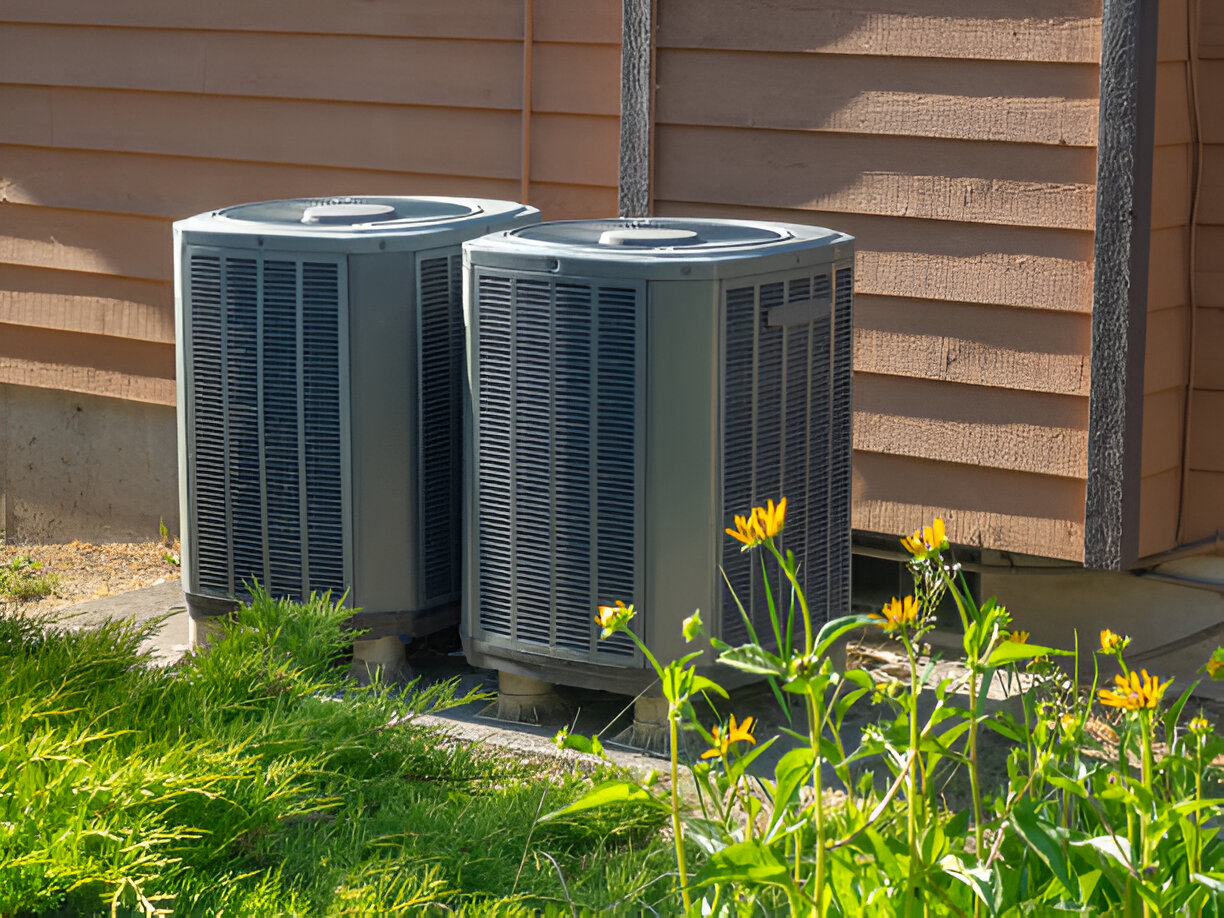
Why a heat pump inspection matters in New Caney
- New Caney’s high humidity and tree cover mean outdoor coils and condensate drains clog or corrode faster than in drier climates.
- Summer cooling load is high; a poorly performing heat pump drives up utility bills and shortens equipment life.
- Occasional winter freezes increase stress on defrost cycles and reversing valves. Verifying these systems reduces risk during cold events.
- Pre-sale inspections help sellers and buyers understand repair needs and remaining useful life of the system.
Common heat pump issues in New Caney homes
- Reduced cooling capacity from dirty coils, clogged filters, or low refrigerant.
- Refrigerant leaks from vibration, corrosion, or aging fittings.
- Electrical problems: loose connections, failing capacitors, or tripped safety devices.
- Poor airflow from blocked returns, restricted ductwork, or failing blowers.
- Drainage problems leading to condensate overflow, mold growth, and rust.
- Inconsistent heating during winter because of defrost cycle faults or reversing valve failure.
Detailed inspection checklist
A complete heat pump inspection covers visual checks, leak testing, electrical safety, efficiency assessment, and airflow/duct evaluation.
Visual inspection
- Outdoor unit: cabinet condition, mounting level, evidence of corrosion or storm damage, debris around unit, and fan/blade condition.
- Indoor unit / air handler: coil cleanliness, drain pan condition, visible mold, filter type and status, blower wheel condition.
- Thermostat: verify settings, wiring integrity, and compatibility with system controls.
Leak checks (refrigerant)
- Inspect service ports and visible refrigerant lines for oil residue or signs of refrigerant loss.
- Use electronic leak detectors where needed and verify line insulation integrity.
- Check for corrosion-prone fittings common in humid or coastal-influenced climates.
Electrical safety and controls
- Test voltage and amperage on compressor and fan motors to detect motor stress or imbalance.
- Inspect contactors, relays, fuses, and capacitors for wear or bulging.
- Verify grounding and secure electrical connections to reduce fire risk.
Efficiency assessment
- Measure temperature split across the coil (supply vs return) to check system cooling/heating performance.
- Evaluate refrigerant charge using pressure and temperature readings to assess superheat/subcooling.
- Note compressor run-time patterns and short cycling that indicate inefficiency.
Airflow and duct inspection
- Measure airflow where possible; inspect filters and confirm correct filter media and size.
- Visually inspect accessible duct runs for disconnections, holes, or poorly sealed seams.
- Check return grilles for blockage from furniture or stored items; attic or crawlspace ducts should be reviewed for insulation and damage.
Diagnostic testing explained (in plain language)
- Refrigerant charge and pressures: Proper refrigerant level is required for efficient heat transfer. Too little refrigerant reduces cooling and can damage components; too much can also harm performance.
- Electrical load testing: Measuring current draw confirms motors and compressors are within safe operating ranges. High draw points to failing motors or mechanically binding fans.
- Temperature and airflow readings: These tests show whether the system is moving enough air and producing the right temperature change across the coil. Low airflow often equals poor comfort and frozen coils in heating mode.
- Defrost cycle and reversing valve check: Ensures your system removes frost buildup in cold weather and switches modes reliably when temperatures change.
Documentation of findings
Inspections include a clear, written report that typically contains:
- A checklist of items inspected with pass/fail notes.
- Photos of key issues (dirty coils, leaks, damaged components) when relevant.
- Measured performance data (pressures, amp draws, temperature splits).
- An estimate of remaining useful life for major components and recommended follow-up actions.
This documentation is valuable for routine service records, warranty support, and real estate transactions.
Repair recommendations and prioritization
Technicians prioritize repairs by safety and system-critical needs:
- Immediate safety fixes: electrical hazards, gas or wiring faults, major refrigerant leaks.
- Performance-critical repairs: restoring correct refrigerant charge, repairing failed capacitors or contactors, unclogging drains, and sealing major duct leaks.
- Preventive and cosmetic repairs: coil cleaning, protective coatings for outdoor units, and minor part replacements to extend equipment life.
Repair recommendations also include cost vs longevity guidance so homeowners can weigh targeted repairs against replacement when systems are old or inefficient.
Inspection options: routine care vs pre-sale evaluations
- Routine maintenance inspections: Scheduled spring and fall checks focus on cooling readiness before summer and heating readiness before cold weather. For New Caney’s climate, emphasize pre-summer cooling inspection and a pre-winter defrost/system check.
- Pre-sale or pre-purchase inspections: A more comprehensive evaluation with detailed documentation of system condition, estimated remaining life, and a list of recommended or required repairs for disclosure. This helps buyers make informed decisions and sellers set realistic expectations.
Long-term benefits and homeowner tips
- Regular inspections improve system efficiency, which lowers monthly energy bills during New Caney’s long cooling season.
- Timely repairs reduce the chance of mid-summer breakdowns when HVAC contractors are busiest.
- Simple homeowner practices extend inspection intervals and performance: replace or clean filters every 1 to 3 months, keep 2 feet of clearance around the outdoor unit, routinely clear leaves and pollen from the area, and ensure condensate drains are flowing.
- Consider scheduling inspections ahead of seasonal extremes; this is especially important in New Caney where humidity and summer heat put extra demand on heat pumps.
A comprehensive heat pump inspection gives clear insight into system health, improves comfort, and protects investment value—especially in New Caney’s climate where year-round performance matters.
Maintenance Plan You Can Rely On
Basic Care
Perfect for newer systems or budget-conscious homeowners wanting essential protection.
$149/year

Annual comprehensive system inspection
Filter replacement (standard filters included)
15% discount on repairs
Priority scheduling within 48 hours
Premium Protection
Ideal for homes with systems 5+ years old or with moderate usage patterns.
$249/year

Bi-annual system inspections (spring & fall)
Filter replacement (premium filters included)
25% discount on all repairs
Priority scheduling within 24 hours
Free diagnostic fees ($89 value)
Elite Coverage
Best for older systems, luxury homes, or properties with critical climate control needs.
$349/year
Quarterly system inspections
All filters and minor parts included
30% discount on major repairs
Same-day emergency service
Extended 2-year warranty on repairs
Annual system efficiency optimization
Basic Care
Perfect for newer systems or budget-conscious homeowners wanting essential protection.
$149/year
Annual comprehensive system inspection
Filter replacement (standard filters included)
15% discount on repairs
Priority scheduling within 48 hours
Premium Protection
Ideal for homes with systems 5+ years old or with moderate usage patterns.
$249/year
Bi-annual system inspections (spring & fall)
Filter replacement (premium filters included)
25% discount on all repairs
Priority scheduling within 24 hours
Free diagnostic fees ($89 value)
Elite Coverage
Best for older systems, luxury homes, or properties with critical climate control needs.
$349/year
Quarterly system inspections
All filters and minor parts included
30% discount on major repairs
Same-day emergency service
Extended 2-year warranty on repairs
Annual system efficiency optimization
Hear What Our Satisfied Clients Have To Say