
Heat Pump Tune Up in New Caney, TX
Heat pump tune up in New Caney, TX boosts efficiency and comfort; schedule a service now for reliable operation and longer life.
Scroll down to discover more

Heat Pump Tune Up in New Caney, TX
A targeted heat pump tune up in New Caney, TX from Stat Air Care Air Conditioning & Heating keeps your home comfortable through hot, humid summers and occasional cold snaps while protecting system lifespan and energy efficiency. Heat pumps working in the Gulf Coast climate face high cooling loads, heavy humidity, airborne debris from nearby trees and construction, and summer pollen — all of which accelerate coil fouling, restrict airflow, and increase wear on components. A professional tune up focuses on prevention and performance, diagnosing small issues before they cause an inconvenient breakdown or expensive compressor failure.
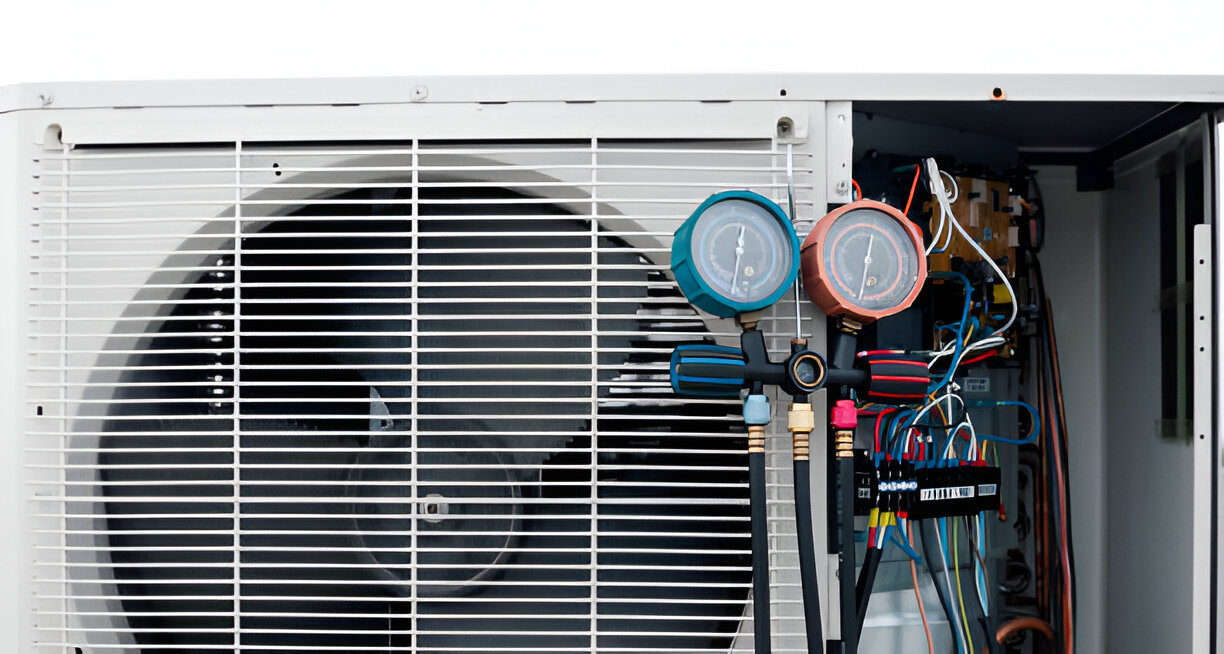
Why a tune up matters for New Caney homes
- Maintain energy efficiency: A properly adjusted heat pump consumes less electricity during long cooling seasons in southeast Texas, lowering monthly bills.
- Improve comfort: Clearing restricted airflow and correcting refrigerant charge helps eliminate hot spots, short cycling, and weak heating performance during cold nights.
- Prevent emergency repairs: Humidity and debris increase the risk of coil icing, condensate backups, and motor strain — tune ups reduce those risks.
- Preserve warranty and equipment life: Most manufacturers recommend regular maintenance; documented tune ups help keep warranties valid and extend the unit’s useful life.
Common heat pump issues in New Caney, TX
- Dirty outdoor coils and blocked condenser fins from yard debris and grass clippings
- Reduced airflow caused by clogged air filters, evaporator coil buildup, or duct restrictions
- Refrigerant undercharge or slow leaks reducing heating and cooling capacity
- Electrical problems: loose connections, failing capacitors, and worn contactors
- Thermostat or control issues producing incorrect setpoints or short cycling
- Condensate drain clogs causing water damage or safety switches to shut the unit off
- Reversing valve or defrost cycle problems leading to poor winter performance or icing
What a professional Heat Pump Tune Up includes
A thorough tune up is diagnostic and corrective. Typical tasks performed and the reason they matter:
- Visual inspection of indoor and outdoor units
- Check for physical damage, animal nests, and obstructed airflow that degrade performance.
- Cleaning of condenser and evaporator coils
- Removes dirt and pollen that act as insulation and reduce heat transfer, restoring system efficiency.
- Checking and adjusting refrigerant levels
- Measure pressures and calculate superheat/subcooling to verify proper charge; improper charge can cause reduced capacity and compressor stress.
- Tightening and inspecting electrical connections
- Loose connections and failing components (capacitors, contactors) are common failure points that can cause intermittent operation or fires.
- Testing compressor and fan motor amperage and voltages
- Identifies motors drawing excessive current or running inefficiently before they fail.
- Testing safety controls and thermostats
- Ensures correct call for heat/cool, proper sequencing, and that safety switches like float and high-pressure cutouts operate.
- Evaluating airflow and filter condition
- Measure temperature split and airflow to confirm adequate delivery to living spaces; recommend filter replacement when needed.
- Inspecting and clearing condensate drains and pans
- Prevents water overflow and microbial growth that can trigger safety switches or indoor air quality problems.
- Checking reversing valve and defrost operation
- Verifies reliable heating operation in colder periods and prevents prolonged ice buildup on the outdoor coil.
- Recording performance metrics and compiling a maintenance report
- Documented readings (temperatures, pressures, amperage, voltage, airflow observations) plus recommended next steps for repairs or efficiency upgrades.
How diagnostics translate to repairs and recommendations
During a tune up your technician will explain which issues are immediate safety or reliability concerns and which are performance optimizations. Typical outcomes include:
- Cleaned coils and improved airflow — often restores cooling capacity and reduces run times immediately.
- Refrigerant leak detection and repair recommendation — if a leak is present, adding refrigerant is only a temporary fix; finding and repairing the leak is required to restore proper operation and comply with refrigerant handling rules.
- Electrical component replacement — worn capacitors or contactors are replaced to prevent motor damage or no-start conditions.
- Drain line clearing or float switch replacement — resolves shutdowns caused by condensate backups and reduces moisture-related problems indoors.
- Thermostat recalibration or replacement recommendation — ensures accurate control and avoids unnecessary cycling.
- Performance-based suggestions — duct sealing, filter upgrades, or a system evaluation if the unit is undersized or near end of life.
Technicians will differentiate between maintenance items included in the tune up and repair work that should be completed soon to avoid breakdowns. The maintenance report outlines findings, prioritized recommendations, and estimated benefits of each repair (efficiency, comfort, reliability).
Signs your heat pump needs a tune up now
- Noticeably higher energy bills during cooling or heating seasons
- Uneven temperatures between rooms or persistent hot/cold spots
- Unit runs constantly without reaching set temperature
- Strange sounds (clanking, squealing, buzzing) or burning odors
- Ice buildup on the outdoor coil during heating mode
- Frequent short cycling or repeated resets of breakers
- Visible leakage or puddling around the indoor unit
Routine schedule and best practices for New Caney households
- Annual tune up is recommended as a minimum; in humid Gulf Coast conditions, pre-summer inspection and pre-winter checks are advisable to prepare for peak cooling demand and occasional cold spells.
- Replace or clean filters every 1–3 months depending on household conditions (pets, construction, pollen).
- Keep outdoor unit area clear of vegetation, lawn debris, and stored items to maintain proper airflow.
- Document maintenance visits to preserve warranty coverage and create a performance history that helps with future diagnostics.
A focused heat pump tune up in New Caney, TX addresses the specific stresses local climate and property conditions place on systems. By combining coil cleaning, refrigerant and electrical checks, airflow measurements, and a clear maintenance report with prioritized recommendations, homeowners get restored comfort, improved efficiency, and reduced risk of mid-season failures.
Maintenance Plan You Can Rely On
Basic Care
Perfect for newer systems or budget-conscious homeowners wanting essential protection.
$149/year

Annual comprehensive system inspection
Filter replacement (standard filters included)
15% discount on repairs
Priority scheduling within 48 hours
Premium Protection
Ideal for homes with systems 5+ years old or with moderate usage patterns.
$249/year

Bi-annual system inspections (spring & fall)
Filter replacement (premium filters included)
25% discount on all repairs
Priority scheduling within 24 hours
Free diagnostic fees ($89 value)
Elite Coverage
Best for older systems, luxury homes, or properties with critical climate control needs.
$349/year
Quarterly system inspections
All filters and minor parts included
30% discount on major repairs
Same-day emergency service
Extended 2-year warranty on repairs
Annual system efficiency optimization
Basic Care
Perfect for newer systems or budget-conscious homeowners wanting essential protection.
$149/year
Annual comprehensive system inspection
Filter replacement (standard filters included)
15% discount on repairs
Priority scheduling within 48 hours
Premium Protection
Ideal for homes with systems 5+ years old or with moderate usage patterns.
$249/year
Bi-annual system inspections (spring & fall)
Filter replacement (premium filters included)
25% discount on all repairs
Priority scheduling within 24 hours
Free diagnostic fees ($89 value)
Elite Coverage
Best for older systems, luxury homes, or properties with critical climate control needs.
$349/year
Quarterly system inspections
All filters and minor parts included
30% discount on major repairs
Same-day emergency service
Extended 2-year warranty on repairs
Annual system efficiency optimization
Hear What Our Satisfied Clients Have To Say