
Heat Pump Repair in New Caney, TX
Heat pump repair in New Caney, TX. Schedule diagnostics and emergency repair today to restore comfort quickly and long-term reliability.
Scroll down to discover more

Heat Pump Repair in New Caney, TX
When your heat pump struggles, it affects comfort, energy bills, and the safety of your home. In New Caney, TX, where hot, humid summers and occasional winter cold snaps place extra demand on heating and cooling systems, timely and accurate heat pump repair from Stat Air Care Air Conditioning & Heating is critical.
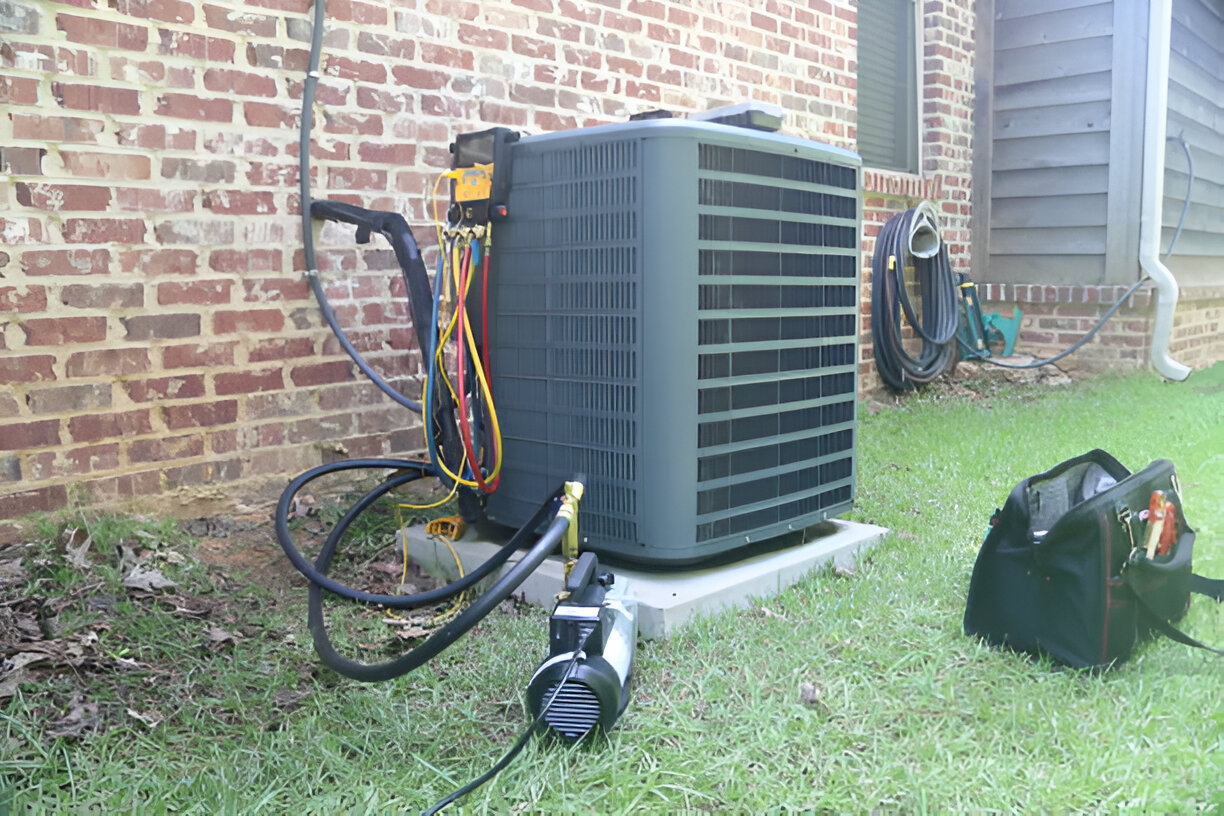
Why heat pump repair matters in New Caney, TX
New Caney homes face long cooling seasons and high humidity. These conditions increase run times and accelerate wear on motors, compressors, and electrical components. Humidity and pollen can clog coils and filters, reducing efficiency and leading to premature failures. Addressing issues quickly restores comfort and prevents higher energy use and more extensive damage later.
Common heat pump failure symptoms in New Caney, TX
- Weak or inconsistent airflow: Reduced supply airflow from vents or uneven temperatures across rooms.
- Insufficient heating or cooling: Unit runs but does not reach set temperature.
- Frequent short cycling: System turns on and off repeatedly, increasing wear.
- Unusual noises: Grinding, rattling, hissing, or loud clanks coming from indoor or outdoor units.
- Ice buildup or frost on coils: Frost on outdoor coil during heating mode or excessive ice accumulation.
- Higher than normal utility bills: Sudden spike in energy use without change in habits.
- System won’t start or intermittent operation: No response to thermostat or random shutdowns.
- Visible refrigerant oil or leak signs: Oily residue near fittings or hissing sounds indicating refrigerant loss.
Diagnostic procedures technicians use
A reliable repair begins with a systematic diagnosis to identify root causes rather than just symptoms. Typical steps include:
- History and interview: Review recent performance, thermostat settings, and when symptoms began.
- Visual inspection: Check outdoor unit, coil fins, fan, and electrical connections for damage or corrosion.
- Airflow assessment: Inspect filters, return ducts, blower motor, and evaporator coil for obstructions.
- Electrical testing: Measure voltage, current draw, contactor function, and safety switches.
- Refrigerant evaluation: Check pressure readings and superheat/subcooling to determine charge status and leak indicators.
- Component function checks: Test compressor startup, reversing valve operation, defrost control, and thermostatic response.
- Leak detection: Use electronic detectors or dye to locate refrigerant leaks when pressures indicate loss.
These diagnostics ensure repairs target the failing component and prevent repeat visits.
Component-level troubleshooting and common fixes
- Compressor issues
Symptoms: Unit hums but fails to start, high amp draw, or tripped breakers.
Troubleshooting: Verify proper voltage, check start/run capacitors and relays, measure compressor windings.
Typical repairs: Replace start components, reset overload protection, or replace compressor if mechanically failed. Compressor replacement is complex and requires refrigerant recovery, proper brazing, and system evacuation. - Reversing valve problems
Symptoms: Unit stays in one mode (heating or cooling), slow mode change, or noisy valve.
Troubleshooting: Test solenoid operation and verify valve shift with pressure readings.
Typical repairs: Replace reversing valve solenoid assembly or service valve if internal sticking occurs. - Controls and electrical faults
Symptoms: Intermittent operation, no control response, or error codes.
Troubleshooting: Scan control board codes, test thermostat wiring and sensors, verify transformer output and relays.
Typical repairs: Replace failed control boards, faulty sensors, or repair damaged wiring harnesses. - Refrigerant leaks
Symptoms: Low pressures, ice on evaporator, poor cooling/heating, and oily residue.
Troubleshooting: Pressurize system, use leak detectors, inspect joints and coils.
Typical repairs: Repair or replace leaking components (line sets, fittings, coils), evacuate and recharge refrigerant to factory specifications, and perform leak test to confirm integrity.
Emergency repair response
Heat pump failures can happen at the worst times. Emergency repair response prioritizes safety hazards (electrical burning smells, gas appliance interaction, or complete loss of heat during cold weather). Rapid on-site assessment focuses on stabilizing the system: isolating electrical faults, restoring safe operation modes, or providing temporary heating/cooling options while permanent repairs are planned. Response times depend on parts availability and severity; many urgent issues are diagnosable and serviceable the same day.
Parts replacement options and quality considerations
When replacement is necessary, parts fall into two categories:
- OEM parts: Original equipment manufacturer components that maintain factory specifications and warranty compatibility.
- Aftermarket quality parts: High-quality alternatives that can match or exceed OEM performance for certain components.
Choosing the right option depends on system age, cost-effectiveness, and long-term plans for the unit. Replacing major components like compressors or reversing valves often prompts evaluation of overall system life and efficiency before proceeding.
Estimated repair timelines and cost factors
Typical repair timelines:
- Minor repairs (capacitors, contactors, sensors): often completed the same day.
- Moderate repairs (refrigerant leak repair, motor replacement): usually completed within 1 to 3 days depending on parts.
- Major repairs (compressor or reversing valve replacement): can take several days due to refrigerant handling, vacuuming, testing, and parts sourcing.
Cost is influenced by parts required, labor complexity, refrigerant type and quantity, and system accessibility. Older systems may require additional diagnostic time and retrofitting. Technicians provide detailed assessments of necessary repairs and explain options before proceeding.
Technician qualifications and safety practices
Qualified technicians for heat pump repair in New Caney, TX should have:
- State or local HVAC licensing and proof of training.
- EPA refrigerant handling certification for legal and safe refrigerant recovery and charging.
- Experience with heat pump systems, including variable-speed equipment, inverter-driven compressors, and modern control boards.
- Proper safety practices: lockout-tagout, pressure containment, and correct brazing techniques when joining refrigerant lines.
Technicians also document findings and explain recommended fixes in clear, non-technical terms so homeowners understand priorities.
Warranty and follow-up checks
Reputable repairs include warranty coverage on parts and labor for a defined period to protect against premature failure. After major repairs, follow-up checks verify system performance: pressure and temperature validation, electrical tests, and a final inspection of connections and controls. Routine maintenance is recommended after repair to preserve reliability.
Preventive maintenance tips for New Caney homeowners
- Replace or clean filters every 1 to 3 months depending on use and pollen levels.
- Keep outdoor unit clear of debris, foliage, and grass clippings to maintain airflow.
- Schedule annual tune-ups before heavy cooling season and heating season transitions.
- Monitor for unusual noises, higher utility bills, or uneven temperatures and address issues early.
- Ensure proper thermostat settings and consider programmable or smart thermostats for improved efficiency.
Regular maintenance and timely repairs help heat pumps withstand New Caney’s climate demands, extend equipment life, and maintain comfortable, energy-efficient homes.
Maintenance Plan You Can Rely On
Basic Care
Perfect for newer systems or budget-conscious homeowners wanting essential protection.
$149/year

Annual comprehensive system inspection
Filter replacement (standard filters included)
15% discount on repairs
Priority scheduling within 48 hours
Premium Protection
Ideal for homes with systems 5+ years old or with moderate usage patterns.
$249/year

Bi-annual system inspections (spring & fall)
Filter replacement (premium filters included)
25% discount on all repairs
Priority scheduling within 24 hours
Free diagnostic fees ($89 value)
Elite Coverage
Best for older systems, luxury homes, or properties with critical climate control needs.
$349/year
Quarterly system inspections
All filters and minor parts included
30% discount on major repairs
Same-day emergency service
Extended 2-year warranty on repairs
Annual system efficiency optimization
Basic Care
Perfect for newer systems or budget-conscious homeowners wanting essential protection.
$149/year
Annual comprehensive system inspection
Filter replacement (standard filters included)
15% discount on repairs
Priority scheduling within 48 hours
Premium Protection
Ideal for homes with systems 5+ years old or with moderate usage patterns.
$249/year
Bi-annual system inspections (spring & fall)
Filter replacement (premium filters included)
25% discount on all repairs
Priority scheduling within 24 hours
Free diagnostic fees ($89 value)
Elite Coverage
Best for older systems, luxury homes, or properties with critical climate control needs.
$349/year
Quarterly system inspections
All filters and minor parts included
30% discount on major repairs
Same-day emergency service
Extended 2-year warranty on repairs
Annual system efficiency optimization
Hear What Our Satisfied Clients Have To Say