
Heat Pump Installation in New Caney, TX
Heat pump installation in New Caney, TX ensures efficient cooling and heating. Learn more about expert installation today.
Scroll down to discover more

Heat Pump Installation in New Caney, TX
A properly installed heat pump from Stat Air Care Air Conditioning & Heating provides reliable year-round comfort while cutting energy costs compared with aging systems. For homeowners in New Caney, TX, professional heat pump installation addresses the specific demands of a hot, humid climate and occasional cold snaps.
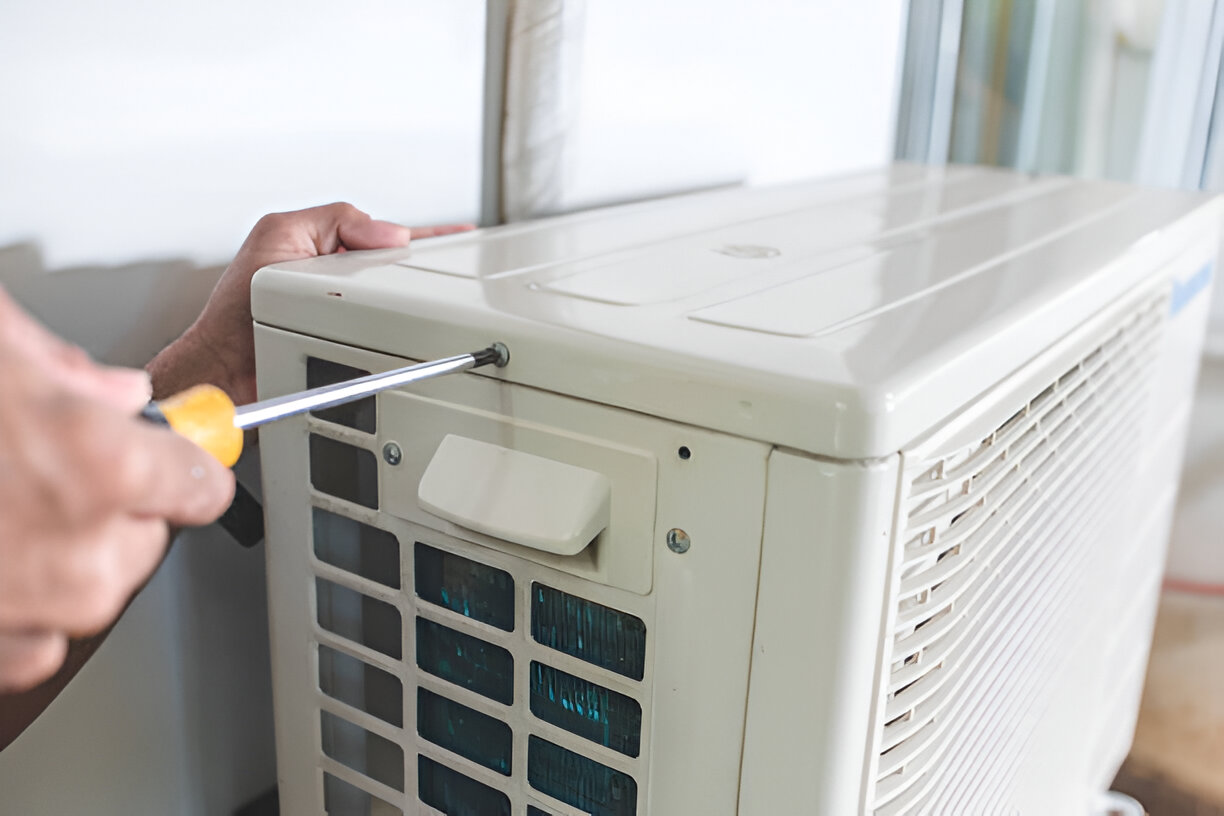
Why a heat pump makes sense in New Caney, TX
- Heat pumps deliver efficient cooling during long, humid summers and provide effective heating during mild winters.
- Modern inverter-driven and variable-speed heat pumps offer better humidity control and smoother temperature swings than older systems.
- Properly sized and installed systems reduce short-cycling that worsens indoor humidity and energy bills—especially important in New Caney’s climate.
- Heat pumps pair well with energy-smart thermostats and home insulation improvements common in local efficiency upgrades.
Common heat pump issues in New Caney, TX homes
- Oversized or undersized equipment causing short cycling or insufficient comfort.
- Inadequate ductwork or leaky ducts in attic spaces leading to poor airflow and higher cooling loads.
- Poor outdoor unit placement where hot airflow, sun exposure, or flood-prone locations reduce performance.
- Improper refrigerant charge or airflow from rushed installs, leading to inefficiency and premature failure.
- Neglected permitting and inspections, which can lead to code issues during resale or insurance claims after storms.
What a professional installation includes
A complete heat pump installation covers assessment, equipment selection, installation, testing, and homeowner education. Key elements include:
Initial site assessment and load calculations
- Detailed walk-through of your home to evaluate insulation, window orientation, attic conditions, duct layout, and existing electrical panel capacity.
- Manual J load calculation (or equivalent) to determine accurate heating and cooling loads based on square footage, construction, shading, and occupancy. This ensures correct system sizing and prevents performance problems common in New Caney homes exposed to intense summer heat.
System sizing and equipment options
- Presentation of equipment types: air-source split systems, ductless mini-splits for additions or problem rooms, packaged units for specific homes, and hybrid (dual fuel) systems where a gas furnace exists.
- Efficiency options explained in plain terms: SEER (cooling efficiency), HSPF or HSPF2 (heating efficiency), and COP (performance at specific temperatures). Modern high-efficiency models and ENERGY STAR-rated units reduce operating costs and control humidity.
- Recommendations for variable-speed compressors and multi-stage systems to improve comfort and dehumidification in humid summers.
Ductwork, airflow, and electrical considerations
- Duct evaluation: sealing, insulation, and balancing to deliver correct CFM (cubic feet per minute) to each room. In many New Caney homes, attic duct sealing and insulation are critical to avoid energy loss.
- Return air placement and grille sizing to prevent pressure imbalances and ensure even comfort.
- Electrical work: verifying breaker size, service capacity, and proper disconnects. Heat pump installations often require dedicated circuits and correctly sized wiring to meet code and ensure safe operation.
- Outdoor unit siting: solid, level pad elevated where needed to avoid standing water, positioned for airflow and protected from direct sun and landscaping obstructions.
Installation steps and best practices
- Removal of existing equipment and careful preparation of the installation area.
- Secure mounting of outdoor unit and precision refrigeration work: brazing, vacuuming lines, and charging to manufacturer specifications.
- Connection of controls, thermostat wiring, and integration with any existing HVAC components.
- Duct modifications, insulation upgrades, and sealing with industry-standard materials to prevent leaks and improve efficiency.
- Compliance with local building codes and utility interconnection requirements where applicable.
Commissioning, testing, and documentation
- Refrigerant leak checks, precise refrigerant charge verification, and airflow measurements to confirm design CFM and static pressure.
- Electrical testing for correct voltages, currents, and safety device operation.
- Performance verification: measuring supply and return temperatures, verifying heating and cooling capacity, and logging baseline performance for future reference.
- Preparing permit-ready documentation including equipment specifications, load calculations, and installation notes for municipal inspections.
Homeowner walkthrough and education
- Explanation of thermostat settings, recommended temperature ranges for comfort and efficiency, and humidity management tips for New Caney’s climate.
- Demonstration of filter access and replacement intervals, basic troubleshooting, and how to read error codes.
- Guidance on warranty registration, manufacturer limits, and what maintenance steps preserve coverage.
Permit handling and code compliance
Permits and inspections protect homeowners and ensure installations meet Montgomery County and Texas building codes. A professional installation includes:
- Submitting permit applications and coordinating inspections with local authorities.
- Ensuring electrical and mechanical work follows current code requirements and that energy efficiency standards are documented.
- Maintaining clear records you can use for insurance, resale, or warranty claims.
Warranty and maintenance recommendations
- Understand manufacturer warranty coverage for components and compressor, and ask about labor warranty on installation work. Keep all warranty documents and registers completed promptly.
- Schedule annual or bi-annual tune-ups: cooling season check in spring and a heating check if you rely on the heat pump during cold snaps. Tune-ups typically include refrigerant checks, airflow verification, safety control tests, and condenser coil cleaning.
- Replace air filters every 1 to 3 months depending on filter type and household factors like pets. Consider MERV-rated filters that balance protection with airflow.
- Periodic duct inspections and sealing to preserve efficiency and indoor air quality.
- Consider a service plan to maintain performance and extend equipment life.
Benefits of doing it right
A professionally performed heat pump installation in New Caney, TX provides predictable comfort, lower energy bills, improved humidity control, and fewer emergency repairs. Proper sizing, ductwork, and commissioning tailored to local climate conditions protect your investment and ensure the system performs efficiently for years.
If you are comparing options for a heat pump replacement or new installation, focus on verified load calculations, quality ductwork, correct refrigerant charging, and clear documentation for permits and warranties. These elements distinguish a reliable installation from one that creates recurring problems.
Maintenance Plan You Can Rely On
Basic Care
Perfect for newer systems or budget-conscious homeowners wanting essential protection.
$149/year

Annual comprehensive system inspection
Filter replacement (standard filters included)
15% discount on repairs
Priority scheduling within 48 hours
Premium Protection
Ideal for homes with systems 5+ years old or with moderate usage patterns.
$249/year

Bi-annual system inspections (spring & fall)
Filter replacement (premium filters included)
25% discount on all repairs
Priority scheduling within 24 hours
Free diagnostic fees ($89 value)
Elite Coverage
Best for older systems, luxury homes, or properties with critical climate control needs.
$349/year
Quarterly system inspections
All filters and minor parts included
30% discount on major repairs
Same-day emergency service
Extended 2-year warranty on repairs
Annual system efficiency optimization
Basic Care
Perfect for newer systems or budget-conscious homeowners wanting essential protection.
$149/year
Annual comprehensive system inspection
Filter replacement (standard filters included)
15% discount on repairs
Priority scheduling within 48 hours
Premium Protection
Ideal for homes with systems 5+ years old or with moderate usage patterns.
$249/year
Bi-annual system inspections (spring & fall)
Filter replacement (premium filters included)
25% discount on all repairs
Priority scheduling within 24 hours
Free diagnostic fees ($89 value)
Elite Coverage
Best for older systems, luxury homes, or properties with critical climate control needs.
$349/year
Quarterly system inspections
All filters and minor parts included
30% discount on major repairs
Same-day emergency service
Extended 2-year warranty on repairs
Annual system efficiency optimization
Hear What Our Satisfied Clients Have To Say