
Heating Inspection in Willis, TX
Heating inspection service in Willis, TX ensures safe, efficient heating. Learn more and schedule a professional inspection for homes and businesses.
Scroll down to discover more

A thorough heating inspection in Willis, TX by Stat Air Care Air Conditioning & Heating protects your family, your employees, and your property by combining safety checks, performance testing, and energy assessments into one clear report. Even though East Texas winters are mild compared with northern regions, occasional cold snaps and long seasons of humidity make it critical to confirm that your heating system is safe, efficient, and ready to operate reliably when needed. A professional inspection identifies hidden problems before they lead to breakdowns, unsafe conditions, or expensive emergency repairs.
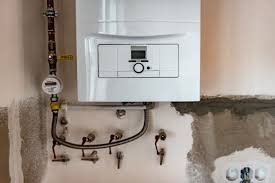
Who needs a heating inspection in Willis, TX?
- Homeowners preparing for winter or who notice performance problems
- Property managers and landlords maintaining rental units
- Business owners with rooftop or commercial HVAC equipment
- Home sellers and buyers needing documented system condition
- Anyone with an older system, frequent cycling, strange odors, or utility bill spikes
Common heating inspection issues in Willis homes and businesses
- Inefficient heat pump operation or failing backup heat during cold snaps
- Dirty or clogged air filters restricting airflow and reducing heat output
- Duct leaks and inadequate insulation causing uneven heating and higher energy use
- Faulty thermostats or control calibration errors
- Gas furnace problems: delayed ignition, burner issues, or poor combustion
- Cracked heat exchangers or improper venting that increase carbon monoxide risk
- Corrosion or condensate drainage problems on heat pump or furnace components
- Short cycling, electrical faults, or worn components that indicate larger failures
What a professional heating inspection covers
A complete heating inspection in Willis, TX includes safety and performance evaluations plus written documentation of findings and recommendations:
- Safety and performance evaluation of the entire heating system
- Carbon monoxide testing in and around the appliance and living spaces
- Venting checks for proper draft, flue condition, and termination points
- Efficiency assessment including temperature rise and basic efficiency indicators
- Visual inspection of burners, heat exchanger, controls, and wiring
- Airflow and duct inspection to identify leaks, blockages, and insulation gaps
- Thermostat calibration and zone control verification
- Written inspection report with recommended repairs or upgrades
- Suitability assessment for repair versus replacement based on age, condition, and expected operating costs
- Inspection availability for both homeowners and businesses, including multi-zone and rooftop commercial systems
Inspection process: what to expect
- Initial walk-through to note visible issues, age of equipment, and system history.
- Visual safety inspection of combustion areas, burners, heat exchanger, and venting.
- Operational testing: start cycles, measure temperature rise, observe cycling behavior.
- Carbon monoxide and gas leak testing in appliance area and living or occupied spaces.
- Airflow checks at registers and basic duct leakage assessment.
- Electrical and control verification: wiring, fuses, breakers, and thermostat functionality.
- Documentation of findings, prioritized recommendations, and a clear suitability assessment for replacement if needed.
Typical residential inspections take about 45 to 90 minutes depending on system complexity; commercial systems can take longer.
Repair solutions and upgrade recommendations
Inspections often lead to actionable solutions tailored to the issue and budget:
- Minor repairs: filter replacement, thermostat recalibration, ignition cleaning, lubricating motors, tightening electrical connections
- Safety repairs: correcting vent termination, sealing combustion air openings, replacing damaged heat exchangers, repairing flue connections
- Efficiency upgrades: programmable or smart thermostats, sealing and insulating ducts, upgrading to higher efficiency equipment, adding zoning where appropriate
- Replacement considerations: when a unit is near or beyond expected life (typically 10 to 15 years for many systems), has recurring major failures, or when efficiency gains make replacement more cost effective than repeated repairsIn Willis, choosing a heat pump upgrade is often advantageous because dual-function systems provide efficient heating and cooling year-round, which suits the local climate.
Why timely heating inspections matter in Willis, TX
- Safety: early detection of carbon monoxide and venting problems prevents hazardous conditions.
- Reliability: inspections reduce the risk of system failure during unexpected cold snaps.
- Energy savings: fixing inefficiencies and sealing ducts lowers energy bills, especially when heating cycles run longer than expected.
- Prolonged equipment life: preventive maintenance and small repairs delay costly replacements.
- Documentation: written reports support real estate transactions, warranty claims, and business compliance requirements.
Given Willis area humidity, inspections also catch condensate and corrosion issues that can accelerate component wear.
Maintenance tips to extend system life
- Change or clean filters regularly, especially during shoulder seasons when systems run intermittently.
- Schedule a professional inspection annually before the start of the heating season.
- Keep vents and returns unobstructed and ensure attic and crawlspace insulation is adequate.
- Use a programmable thermostat to reduce unnecessary runtime and limit wear.
- Inspect outdoor equipment for debris, vegetation, and proper airflow after storms or heavy pollen seasons.
- Address small repairs promptly to prevent escalation into major failures.
FAQs
Q: How often should I schedule a heating inspection?
A: Most homes and small businesses benefit from an annual inspection, ideally before the heating season; older systems or units with known issues may need more frequent checks.
Q: Will an inspection include carbon monoxide testing?
A: Yes. A proper heating inspection includes carbon monoxide and venting checks around the appliance and in adjacent living or occupied spaces.
Q: Do inspections provide a written report with recommended repairs?
A: Yes. Inspections come with a written report detailing findings, prioritized repair recommendations, and a suitability assessment for replacement.
Q: Can a heating inspection determine if I should repair or replace my system?
A: Yes. The inspection evaluates age, condition, expected remaining life, efficiency, and repair costs to recommend repair versus replacement.
Q: Are inspections available for commercial systems in Willis, TX?
A: Yes. Commercial and multi-zone systems are assessed with additional attention to rooftop units, larger duct networks, and building code or compliance needs.
Maintenance Plan You Can Rely On
Basic Care
Perfect for newer systems or budget-conscious homeowners wanting essential protection.
$149/year

Annual comprehensive system inspection
Filter replacement (standard filters included)
15% discount on repairs
Priority scheduling within 48 hours
Premium Protection
Ideal for homes with systems 5+ years old or with moderate usage patterns.
$249/year

Bi-annual system inspections (spring & fall)
Filter replacement (premium filters included)
25% discount on all repairs
Priority scheduling within 24 hours
Free diagnostic fees ($89 value)
Elite Coverage
Best for older systems, luxury homes, or properties with critical climate control needs.
$349/year
Quarterly system inspections
All filters and minor parts included
30% discount on major repairs
Same-day emergency service
Extended 2-year warranty on repairs
Annual system efficiency optimization
Basic Care
Perfect for newer systems or budget-conscious homeowners wanting essential protection.
$149/year
Annual comprehensive system inspection
Filter replacement (standard filters included)
15% discount on repairs
Priority scheduling within 48 hours
Premium Protection
Ideal for homes with systems 5+ years old or with moderate usage patterns.
$249/year
Bi-annual system inspections (spring & fall)
Filter replacement (premium filters included)
25% discount on all repairs
Priority scheduling within 24 hours
Free diagnostic fees ($89 value)
Elite Coverage
Best for older systems, luxury homes, or properties with critical climate control needs.
$349/year
Quarterly system inspections
All filters and minor parts included
30% discount on major repairs
Same-day emergency service
Extended 2-year warranty on repairs
Annual system efficiency optimization
Hear What Our Satisfied Clients Have To Say