
Heating Replacement in Willis, TX
Heating replacement in Willis, TX helps you choose, install, and maintain a new system for improved comfort and efficiency. Learn more today.
Scroll down to discover more

Replacing a home heating system is a major decision. In Willis, TX, where winters are generally mild but occasional cold snaps can stress older equipment, choosing the right replacement from Stat Air Care Air Conditioning & Heating ensures reliable comfort, better efficiency, and long-term savings.
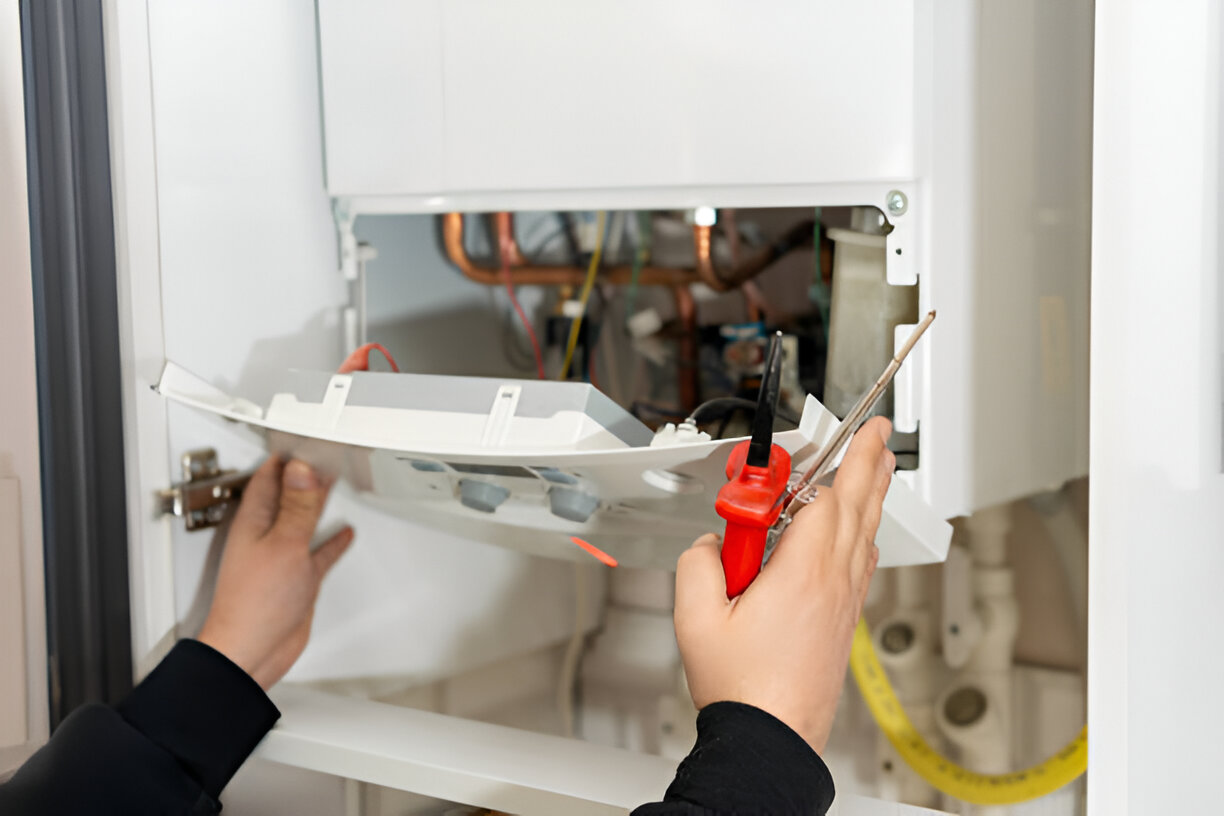
How to know your heating system needs replacement
Homeowners in Willis often delay replacement because winters are short, but signs that replacement is warranted include:
- Frequent repairs or rising repair frequency over several seasons
- Inconsistent temperatures between rooms or long run cycles that never reach set temperature
- Noticeable drop in efficiency, reflected by higher utility bills or excessive runtime
- System age beyond typical service life, especially when paired with other issues
- Safety concerns such as rusted heat exchangers, gas leaks, or carbon monoxide alarms tied to the unit
- Parts becoming obsolete or difficult to source for older models
If you are experiencing any combination of these, replacement can restore dependable heating and reduce ongoing maintenance headaches.
Common replacement options in Willis, TX
Willis homes commonly use natural gas furnaces, electric heat pumps, and hybrid systems. Each has local advantages:
- Gas furnaces
- Best for cold snaps and quicker warm-up
- Good option where natural gas is available
- Look for high AFUE ratings for better efficiency
- Heat pumps (air-source or ductless mini-splits)
- Extremely efficient for Willis’ mild winters and provide cooling in summer
- Modern cold-climate heat pumps perform well even on colder days
- Provide year-round comfort and improved dehumidification control
- Hybrid or dual-fuel systems
- Combine a heat pump with a gas furnace to optimize efficiency and comfort across seasons
When comparing options, consider fuel availability, home insulation, ductwork condition, and long-term operating cost rather than initial purchase alone.
Diagnostic and planning process
A thorough replacement process typically includes:
- Full system inspection and safety checks to identify hidden problems
- Heating load calculation (Manual J) to size equipment correctly for your home
- Duct evaluation for leaks, insulation needs, and airflow balancing
- Assessment of electrical and gas service to confirm compatibility
- Recommendation of system features that match your comfort goals and budget
Accurate sizing and a complete inspection avoid common pitfalls like oversized units, short cycling, and poor humidity control.
What to compare when selecting a new system
Focus on features that affect comfort and operating cost:
- Efficiency ratings: AFUE for furnaces, SEER and HSPF for heat pumps, explained simply as how effectively the unit converts energy into heat or cooling
- Single-stage vs multi-stage vs modulating operation for steadier indoor temps and quieter operation
- Variable-speed blowers for improved airflow and energy savings
- Matched system components (coil, condenser, furnace) to ensure optimum performance
- Smart thermostats and zoning options for targeted comfort and savings
- Manufacturer warranties and local parts availability
Choosing the right mix of features for your home will yield better comfort and lower operating costs in Willis’ climate.
Removal and disposal of old equipment
Proper removal includes:
- Safe disconnection of power and fuel lines
- Recovery and recycling of refrigerant according to regulations
- Removal of the old unit and responsible disposal or recycling of materials
- Closing or capping gas lines and securing permits when required
Licensed technicians handle environmental and safety protocols, ensuring your old equipment is disposed of properly and legally.
Expected timelines and financial considerations
Typical replacement timelines vary by project complexity:
- Simple like-for-like replacements can often be completed within a day
- Replacements that require duct modifications, electrical upgrades, or gas line work generally take multiple days
- Permit approvals and supply lead times can extend schedules, especially during seasonal demand
Costs depend on system type, efficiency level, necessary modifications (ductwork, electrical, gas), and warranty choices. Many homeowners offset upfront expense through local utility rebates, manufacturer incentives, and financing programs. Warranties vary; many manufacturers offer multi-year parts and compressor coverage while installers may provide workmanship warranties. Verify what warranties require for registration and routine maintenance to remain valid.
Post-replacement support and maintenance
Quality post-installation care maximizes your investment:
- Startup and commissioning to verify proper airflow, refrigerant charge, and controls
- Walkthrough to explain operation, filter changes, and thermostat settings
- Recommendations for a maintenance schedule and available service plans
- Assistance with warranty registration and documentation for future service
Regular annual tune-ups and timely filter changes keep systems running efficiently and protect warranty coverage.
Benefits of upgrading in Willis, TX
Upgrading to a modern heating system delivers:
- Improved year-round comfort with better temperature balance and humidity control
- Lower energy usage and predictable operating costs through higher efficiency
- Greater reliability and reduced emergency repairs during cold snaps
- Quieter operation and enhanced indoor air quality with upgraded filtration
- Potential increase in home value and appeal to future buyers
Maintenance tips to extend life and performance
- Change or clean filters according to manufacturer recommendations
- Schedule annual professional maintenance before heating season
- Keep outdoor units clear of debris and ensure proper airflow around equipment
- Use a programmable or smart thermostat to avoid unnecessary runtime
- Address duct leaks or insulation gaps to improve overall system efficiency
FAQ
Q: How long does a typical heating replacement take in a Willis home?
A: Timeline depends on scope; straightforward replacements may be completed in a day, while projects involving ductwork, electrical upgrades, or permits can take several days. Seasonal demand and parts availability can also affect scheduling.
Q: Will a heat pump work well in Willis, TX winters?
A: Yes. Willis’ mild winters make heat pumps an efficient choice. Modern heat pumps maintain good performance during occasional cold periods and also provide cooling and dehumidification in summer.
Q: What should I ask about warranties and rebates?
A: Ask about manufacturer parts and compressor warranties, installer workmanship warranties, and any registration requirements. Inquire about local utility or manufacturer rebates, and whether the system meets criteria for those incentives.
Q: Do I need a new duct system when replacing my heater?
A: Not always. A duct inspection during the diagnostic process will determine if repairs, sealing, or replacement are needed. Properly sized and sealed ducts are essential for a new system to perform as intended.
Maintenance Plan You Can Rely On
Basic Care
Perfect for newer systems or budget-conscious homeowners wanting essential protection.
$149/year

Annual comprehensive system inspection
Filter replacement (standard filters included)
15% discount on repairs
Priority scheduling within 48 hours
Premium Protection
Ideal for homes with systems 5+ years old or with moderate usage patterns.
$249/year

Bi-annual system inspections (spring & fall)
Filter replacement (premium filters included)
25% discount on all repairs
Priority scheduling within 24 hours
Free diagnostic fees ($89 value)
Elite Coverage
Best for older systems, luxury homes, or properties with critical climate control needs.
$349/year
Quarterly system inspections
All filters and minor parts included
30% discount on major repairs
Same-day emergency service
Extended 2-year warranty on repairs
Annual system efficiency optimization
Basic Care
Perfect for newer systems or budget-conscious homeowners wanting essential protection.
$149/year
Annual comprehensive system inspection
Filter replacement (standard filters included)
15% discount on repairs
Priority scheduling within 48 hours
Premium Protection
Ideal for homes with systems 5+ years old or with moderate usage patterns.
$249/year
Bi-annual system inspections (spring & fall)
Filter replacement (premium filters included)
25% discount on all repairs
Priority scheduling within 24 hours
Free diagnostic fees ($89 value)
Elite Coverage
Best for older systems, luxury homes, or properties with critical climate control needs.
$349/year
Quarterly system inspections
All filters and minor parts included
30% discount on major repairs
Same-day emergency service
Extended 2-year warranty on repairs
Annual system efficiency optimization
Hear What Our Satisfied Clients Have To Say