
Heating Installation in Willis, TX
Heating installation Willis, TX: Professional service from consultation to checks, ensuring efficient, code-compliant setups and comfort.
Scroll down to discover more

Replacing or installing a new heating system in Willis, TX with Stat Air Care Air Conditioning & Heating is a smart investment in year-round comfort and energy savings. Even though East Texas winters are generally mild, cold snaps and high humidity can make an inefficient system feel inadequate. Proper heating installation ensures your home stays comfortable during the coolest months, runs efficiently when you do need heat, and meets local code and permit requirements.
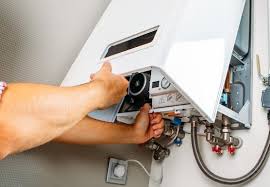
Why a professional heating installation matters in Willis, TX
- Right-sized equipment prevents short cycling, uneven temperatures, and wasted energy. Oversized or undersized systems are common causes of poor comfort.
- Proper refrigerant and airflow setup improves efficiency and reduces wear, important in humid Texas conditions where moisture affects heat exchange.
- Code compliance and safety are critical when installing gas furnaces, heat pumps, or ductwork changes. Willis and Montgomery County require permits and inspections for many heating projects.
- Long-term performance is established at installation. A correct setup protects warranties and reduces the likelihood of premature failures.
Common heating system types for Willis, TX homes
- Split heat pumps (air-source heat pumps): Widely used in the region for both heating and cooling. Modern high-efficiency models perform well through most East Texas winters.
- Dual-fuel systems: Combine a heat pump with a gas furnace to optimize efficiency during cold snaps.
- High-efficiency gas furnaces: For homes on natural gas or propane, condensing furnaces offer strong heating capacity and high AFUE ratings.
- Ductless mini-split heat pumps: Ideal for room additions, older homes without ductwork, or targeted zone heating.
- Boilers or hydronic systems: Less common in the area but used in specific home setups.
Initial consultation and load calculations
- On-site consultation: A technician inspects the home layout, insulation levels, window types, existing ductwork, and any unique heat loss areas such as sunrooms or basements.
- Manual J load calculation: This industry-standard calculation determines the precise heating demand for your home based on square footage, orientation, insulation, and local climate conditions. Accurate load calculations are essential to selecting the correct system size.
- Ductwork evaluation: The condition, sizing, and leakage of existing ducts are assessed. Sealing, insulation, or resizing may be recommended to ensure efficient air delivery.
Guidance on selecting energy-efficient models
- Compare seasonal efficiency ratings: Look at HSPF and SEER for heat pumps and AFUE for furnaces. Higher ratings mean lower operating costs over time.
- Variable-speed compressors and ECM blowers: These components adjust output to match demand, enhance comfort, and reduce energy use—beneficial for Willis homes with variable temperature needs.
- Consider local fuel availability: If natural gas is available, a high-efficiency furnace or dual-fuel setup may be appropriate. If not, modern heat pumps offer efficient electric heating.
- Match features to lifestyle: Zoning, smart thermostats, and air filtration options can improve comfort and indoor air quality, especially during pollen season and humid months.
Professional installation steps
- Permits and scheduling: Obtain required permits with local authorities and schedule inspections. This step ensures code compliance and protects warranties.
- Site preparation: Remove old equipment, protect flooring and landscaping, and prepare electrical and gas connections as needed.
- Equipment placement and mounting: Install indoor and outdoor units on stable, code-compliant supports with correct clearances for airflow and service access.
- System hookup: Connect refrigerant lines, gas piping, condensate drains, and electrical feeds. Charge refrigerant to manufacturer specifications and perform pressure tests.
- Duct modifications and sealing: Repair or modify ducts, seal joints with mastic or foil tape, and insulate exposed ducts to reduce losses.
- Controls integration: Install and configure thermostats, zoning controls, and any smart features for precise temperature management.
- Initial start-up and calibration: Verify airflow, gas pressures, electrical loads, and refrigerant charge. Calibrate controls and confirm safe operation.
Permit and code considerations in Willis
- Permits are typically required for new heating installations, fuel conversions, or major ductwork changes. Local building departments inspect work for safety and code compliance.
- Gas connections, combustion air clearances, venting, and electrical connections must meet current standards. Documentation of load calculations and equipment specifications is often requested during inspections.
- Proper permitting protects homeowners by ensuring the work is reviewed and inspected by local officials.
Timeline expectations
- Typical single-family heating installations take between one and three days, depending on system complexity. Simple replacements using existing ductwork are on the shorter end.
- Projects involving duct replacement, zoning, or major electrical or gas work may extend to several days or a week.
- Permit processing and inspection scheduling can add time before final approval. Planning for permitting early in the project minimizes delays.
Warranty and post-installation testing
- Modern HVAC equipment comes with manufacturer warranties on compressors, heat exchangers, and major components. Warranty coverage often depends on proper installation and timely registration.
- Post-installation testing includes:
- Airflow and static pressure checks
- Refrigerant charge verification
- Gas pressure and leak testing for combustion systems
- Thermostat calibration and zoning verification
- Safety control tests and carbon monoxide checks where applicable
- Documenting startup settings and test results preserves warranty eligibility and provides a baseline for future maintenance.
Financing and budgeting options
- Financing is commonly available through HVAC lenders and home improvement finance programs. Available options may include low-interest terms or flexible monthly payments to spread the cost of higher-efficiency equipment.
- Consider total lifecycle cost: a higher-efficiency unit often reduces monthly utility costs enough to offset a portion of the upfront investment over time.
- Ask about potential local incentives or utility rebates for high-efficiency equipment. These can improve the return on investment for new installations.
Long-term benefits and maintenance tips
- Improved comfort and consistent temperatures, especially during unpredictable cold snaps in Willis.
- Lower energy bills with properly sized, efficient systems.
- Extended equipment life when installed correctly and maintained regularly.
- Basic maintenance recommendations:
- Change filters every 1 to 3 months depending on use and indoor air quality.
- Schedule annual or biannual tune-ups before the heating and cooling seasons to maintain efficiency and catch issues early.
- Keep outdoor unit clear of debris and ensure adequate airflow around the condenser.
FAQs
Q: How do I know whether a heat pump or a furnace is right for my Willis home?
A: Evaluate local fuel access, your typical winter temperatures, and efficiency goals. Heat pumps are efficient for most East Texas homes, while furnaces or dual-fuel systems may be preferable when natural gas is available or when you want supplemental heat during extreme cold.
Q: What is a Manual J load calculation and why is it necessary?
A: A Manual J load calculation measures your home specific heating and cooling needs based on size, insulation, windows, and climate. It ensures the system is properly sized to avoid inefficiency and comfort problems.
Q: Will I need a permit for heating installation in Willis, TX?
A: Most installations, equipment replacements that change capacity or fuel type, and significant ductwork modifications require permits and inspections through local or county building departments. Permits ensure the work meets safety and code standards.
Q: How long after installation will the system be fully operational?
A: Basic replacements are often completed in one day, while complex installs with ductwork changes or electrical upgrades can take several days. Permit and inspection timing can add to the overall schedule.
Q: What steps confirm the new system is operating correctly after installation?
A: Post-installation checks include refrigerant charge verification, airflow measurement, gas pressure testing, thermostat calibration, and safety control tests. Documentation of these tests supports warranty coverage and future maintenance planning.
Maintenance Plan You Can Rely On
Basic Care
Perfect for newer systems or budget-conscious homeowners wanting essential protection.
$149/year

Annual comprehensive system inspection
Filter replacement (standard filters included)
15% discount on repairs
Priority scheduling within 48 hours
Premium Protection
Ideal for homes with systems 5+ years old or with moderate usage patterns.
$249/year

Bi-annual system inspections (spring & fall)
Filter replacement (premium filters included)
25% discount on all repairs
Priority scheduling within 24 hours
Free diagnostic fees ($89 value)
Elite Coverage
Best for older systems, luxury homes, or properties with critical climate control needs.
$349/year
Quarterly system inspections
All filters and minor parts included
30% discount on major repairs
Same-day emergency service
Extended 2-year warranty on repairs
Annual system efficiency optimization
Basic Care
Perfect for newer systems or budget-conscious homeowners wanting essential protection.
$149/year
Annual comprehensive system inspection
Filter replacement (standard filters included)
15% discount on repairs
Priority scheduling within 48 hours
Premium Protection
Ideal for homes with systems 5+ years old or with moderate usage patterns.
$249/year
Bi-annual system inspections (spring & fall)
Filter replacement (premium filters included)
25% discount on all repairs
Priority scheduling within 24 hours
Free diagnostic fees ($89 value)
Elite Coverage
Best for older systems, luxury homes, or properties with critical climate control needs.
$349/year
Quarterly system inspections
All filters and minor parts included
30% discount on major repairs
Same-day emergency service
Extended 2-year warranty on repairs
Annual system efficiency optimization
Hear What Our Satisfied Clients Have To Say