
Heating Repair in Willis, TX
Discover common heating issues in Willis, TX homes and how technicians diagnose and repair them. Get emergency services, OEM parts, and warranty details.
Scroll down to discover more

Keeping your home warm, safe, and energy efficient during cool fronts is essential for Willis, TX homeowners. Stat Air Care Air Conditioning & Heating focuses on diagnosing the root causes of heat loss, restoring reliable operation, and protecting your family from safety hazards like carbon monoxide, whether your system is a gas furnace, electric furnace, or heat pump.
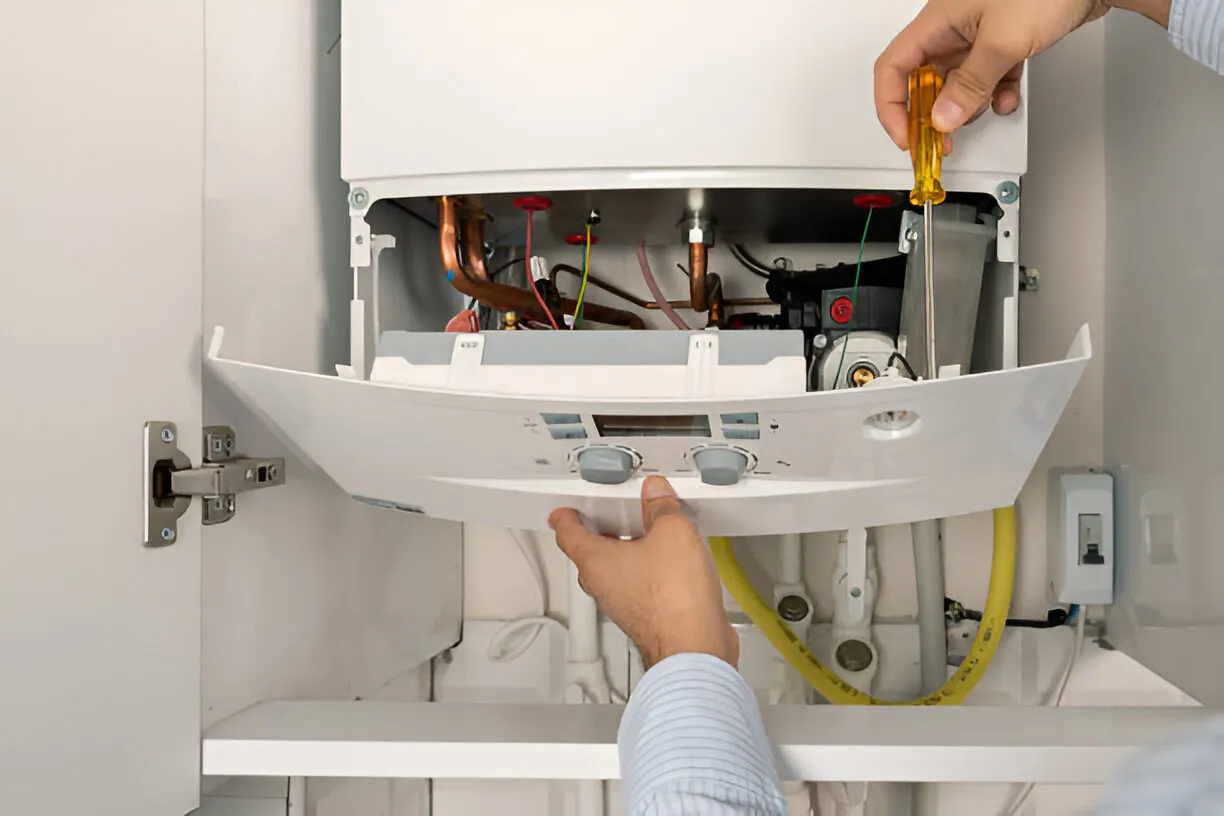
Common heating problems in Willis, TX homes
Willis experiences mild winters with occasional cold snaps that can expose weaknesses in aging or poorly maintained systems. Frequent local issues include:
- No heat or intermittent heat - often caused by thermostat faults, ignition failure, or power issues.
- Short cycling - heater turns on and off quickly due to improper airflow, dirty filters, or a failing control board.
- Uneven heating or cold rooms - duct leaks, blocked registers, or failing blower motors reduce airflow.
- Pilot light or ignition problems - common on older gas furnaces; can be caused by dirty burners or faulty flame sensors.
- Heat pump performance loss - low refrigerant or failing components reduce heat output during milder winters.
- Unusual noises or smells - worn bearings, loose panels, or electrical problems need immediate inspection.
- Rising utility bills - inefficiency from clogged filters, failing heat exchangers, or aging equipment.
How technicians diagnose heating failures
A consistent, safety-focused diagnostic process helps pinpoint problems efficiently and avoid unnecessary parts replacement.
- Intake and history - technician gathers symptoms, system age, recent service, and any error codes from the thermostat or control board.
- Safety checks - verify power, check for gas leaks, test carbon monoxide detectors, and confirm safe working conditions.
- Controls and thermostat - confirm settings, calibrate or test thermostat operation, and inspect wiring.
- Visual and mechanical inspection - examine burners, flame pattern, heat exchanger condition, blower motor, belts, and air handler.
- Electrical testing - measure voltages, motor amperage, capacitor function, and control board diagnostics.
- System-specific tests - heat pumps receive refrigerant and reversing valve checks; gas furnaces get combustion and venting assessments.
- Documentation and estimate - findings are explained in plain language with transparent repair options and expected outcomes.
Technicians carry diagnostic tools and commonly used parts to speed repairs, and they follow industry best practices for safety and reliability.
Typical repairs and solutions
Repairs focus on restoring safe, efficient operation while minimizing disruption to your home.
- Thermostat replacement or recalibration to restore accurate temperature control.
- Ignition component replacement, flame sensor cleaning, or pilot assembly repair for gas furnaces.
- Blower motor repair or replacement, belt changes, and blower wheel cleaning to improve airflow.
- Control board and relay replacement to resolve erratic operation or failure to start.
- Heat exchanger assessment and, if cracked, replacement due to safety concerns.
- Duct sealing and register repair for better airflow and even heating.
- Heat pump refrigerant recharge or compressor and reversing valve repairs for low heat output.
- Filter replacement and system cleaning to improve efficiency and reduce breakdown risk.
Most repairs use OEM-quality components when available to ensure compatibility and preserve system performance.
Emergency and same-day heating repair options in Willis, TX
Same-day and emergency heating repair options are structured to prioritize safety and homes with vulnerable occupants. Emergency service typically includes an immediate safety assessment, temporary measures to maintain warmth, and prioritized scheduling for replacement parts or longer repairs. Technicians perform carbon monoxide testing and shut down unsafe systems if needed. You can expect clear documentation of safety findings, temporary remedies applied, and an estimate for final repair or replacement.
OEM-quality parts and warranty policies
Using OEM-quality parts helps maintain equipment efficiency and reduces the chance of repeated failures. Benefits include manufacturer fit and function, preserved performance, and compatibility with control systems. Warranty policies vary by part and service. Typical coverage includes parts warranty for OEM components and a limited labor warranty for repairs performed. Technicians provide details on warranties, including what is covered, duration, and any recommended maintenance to keep warranties valid.
Temporary measures before a technician arrives
When service is scheduled but delayed, these steps help keep your household safe and warmer:
- Verify the thermostat is set correctly and replace batteries if needed.
- Check and replace a dirty air filter to restore airflow and avoid short cycling.
- Reset breakers or switches at the furnace power switch if the system is unresponsive.
- Open registers in rooms you use and close unused doors to concentrate heat.
- Use space heaters rated for indoor use with clearances and supervision; avoid using ovens or unvented heaters for home heating.
- Ensure carbon monoxide detectors are functioning and have fresh batteries.
- If you smell gas, evacuate the home and notify emergency services; do not operate electrical switches or appliances.
These measures are temporary; a technician should inspect the system before relying on it long term.
How scheduling and repair logistics work
To schedule a repair, provide the system type, brand and model if known, system age, a description of symptoms, and any error codes displayed. Scheduling systems typically offer standard appointments and options for same-day or emergency service during cold snaps. After scheduling, you will receive an appointment window, and the technician will arrive prepared with diagnostic tools and common OEM-quality parts. Upon arrival, the technician will confirm the problem, present repair options and estimates, and proceed with repairs once a scope is agreed upon. Completed work is documented, and warranty details are provided.
Why timely heating repair matters in Willis, TX
Prompt heating repair improves safety by addressing combustion and carbon monoxide risks, reduces utility costs by restoring efficiency, and prevents larger failures during sudden cold weather. Regular, timely repairs extend equipment life and maintain comfortable, even heating in Willis homes where occasional cold fronts can quickly make a malfunctioning system intolerable. Addressing problems early also reduces the risk of emergency replacements and unplanned disruption.
Q: How soon can a technician arrive for an emergency heating repair in Willis, TX?
A: Response time varies with demand and weather conditions. Emergency service prioritizes safety concerns and homes with vulnerable occupants. Expect a safety assessment and temporary measures if immediate repair requires additional parts.
Q: Do you repair heat pumps as well as gas furnaces?
A: Yes. Technicians diagnose and repair heat pumps, including refrigerant issues, compressors, reversing valves, and components that affect heating performance during mild winter conditions.
Q: Will using OEM parts make a big difference?
A: OEM-quality parts ensure compatibility, maintain system efficiency, and typically carry parts warranties. They reduce the chance of repeat failures compared to incompatible aftermarket parts.
Q: What should I do if I smell gas in my home?
A: Evacuate immediately and contact emergency services. Do not switch electrical devices on or off, and avoid using phones inside the home. A technician will inspect the system only after the area is declared safe.
Q: Is it better to repair or replace an older furnace?
A: The decision depends on repair cost versus remaining equipment life and efficiency loss. Technicians evaluate system age, the severity of issues, repair cost, and energy savings potential to recommend the most cost-effective choice.
Q: Are repairs covered by warranty?
A: Warranty coverage depends on the parts used and the service agreement. OEM parts typically include a parts warranty, and many services include a limited labor warranty. Details are provided with the repair documentation.
Maintenance Plan You Can Rely On
Basic Care
Perfect for newer systems or budget-conscious homeowners wanting essential protection.
$149/year

Annual comprehensive system inspection
Filter replacement (standard filters included)
15% discount on repairs
Priority scheduling within 48 hours
Premium Protection
Ideal for homes with systems 5+ years old or with moderate usage patterns.
$249/year

Bi-annual system inspections (spring & fall)
Filter replacement (premium filters included)
25% discount on all repairs
Priority scheduling within 24 hours
Free diagnostic fees ($89 value)
Elite Coverage
Best for older systems, luxury homes, or properties with critical climate control needs.
$349/year
Quarterly system inspections
All filters and minor parts included
30% discount on major repairs
Same-day emergency service
Extended 2-year warranty on repairs
Annual system efficiency optimization
Basic Care
Perfect for newer systems or budget-conscious homeowners wanting essential protection.
$149/year
Annual comprehensive system inspection
Filter replacement (standard filters included)
15% discount on repairs
Priority scheduling within 48 hours
Premium Protection
Ideal for homes with systems 5+ years old or with moderate usage patterns.
$249/year
Bi-annual system inspections (spring & fall)
Filter replacement (premium filters included)
25% discount on all repairs
Priority scheduling within 24 hours
Free diagnostic fees ($89 value)
Elite Coverage
Best for older systems, luxury homes, or properties with critical climate control needs.
$349/year
Quarterly system inspections
All filters and minor parts included
30% discount on major repairs
Same-day emergency service
Extended 2-year warranty on repairs
Annual system efficiency optimization
Hear What Our Satisfied Clients Have To Say