
Mini Split Inspection in Splendora, TX
Mini-Split inspection in Splendora, TX delivers safety checks, efficiency testing, and clear repair guidance. Schedule your service today.
Scroll down to discover more

An experienced, comprehensive mini-split inspection by Stat Air Care Air Conditioning & Heating protects comfort, indoor air quality, and equipment life in Splendora homes. With hot, humid Texas summers and seasonal pollen from the piney woods, ductless systems face higher cooling loads, condensate issues, and filter clogging. A focused inspection identifies safety hazards, refrigerant leaks, electrical faults, and performance shortfalls so owners can make informed repair or upgrade decisions.
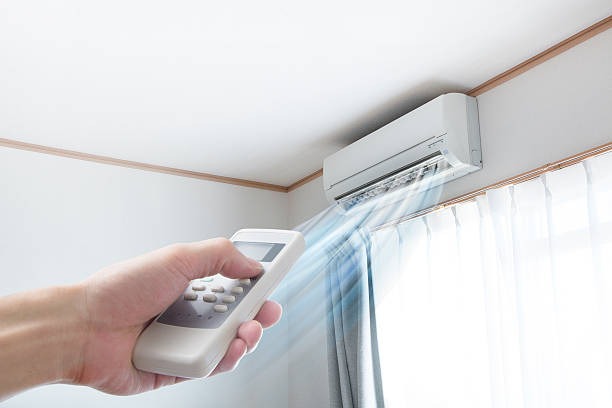
Why a mini-split inspection matters in Splendora, TX
- Splendora climate: high humidity increases condensate and mold risk; insects and pine pollen can clog filters and coils faster than in drier areas.
- Energy impact: poorly performing mini-splits run longer to reach setpoints, increasing electric bills during long summer stretches.
- Real estate needs: buyers and sellers need objective, written inspection reports for transactions that document system condition and recommended actions.
- Longevity: timely detection of refrigerant leaks or electrical problems prevents compressor damage and costly replacements.
Common mini-split issues in Splendora homes
- Refrigerant leaks and low charge causing reduced cooling capacity and higher runtime.
- Clogged filters or dirty indoor coils from pollen and dust, reducing airflow and efficiency.
- Blocked or poorly pitched condensate drains that lead to water damage, mold, or indoor humidity problems.
- Electrical component degradation: failing capacitors, contactors, loose connections, or incorrect breaker sizing.
- Inverter drive faults or error codes affecting compressor speed and system responsiveness.
- Improper refrigerant line insulation causing sweat, corrosion, or heat gain in hot months.
- Mounting or outdoor unit debris problems from nearby vegetation attracting leaves, pine needles, and insects.
What a comprehensive mini-split inspection includes
- Visual system assessment: indoor heads, outdoor condensing unit, mounting hardware, line-set insulation, and remote/controls.
- Safety and electrical tests: verify proper breaker and disconnect, ground continuity, check fuses, measure voltage and amperage, test capacitors and contactors, and inspect wiring for overheating or corrosion.
- Refrigerant leak detection: use electronic leak detectors, pressure checks, and visual inspection of joints and schrader valves; note signs of oil traces or frost patterns.
- Airflow and temperature differential testing: measure supply and return air temperatures and calculate delta T across the evaporator to assess cooling performance. Typical cooling delta T for ductless systems is in the 15 to 20 F range, though manufacturer specs vary.
- Indoor coil and drain inspection: inspect and test condensate pan, drain line flow, and condensate pump operation where applicable. Check for standing water and microbial growth.
- Compressor and fan operation: observe start-up current, listen for abnormal noises, verify fan speeds and outdoor coil condition.
- Control and sensor checks: verify communication between indoor heads and outdoor unit, remote functions, thermostat calibration, and sensor readings.
- Written inspection report: detailed findings, photographs, measured values, prioritized recommendations for repairs or upgrades, and suggested maintenance schedule.
Diagnostic approach and tools used
- Digital multimeter for voltage, amperage, and continuity testing.
- Electronic refrigerant leak detectors and manifold gauges for pressure and charge verification.
- Infrared thermometer or probe sensors to record supply and return temperatures and line temperatures.
- Inspection camera or flashlight for hard-to-see areas, and moisture meter for suspected water intrusion.
- Visual documentation: photos of problem areas, electrical panels, and serial/model numbers for record keeping.
Typical repair and upgrade recommendations
- Refrigerant leak repair and recharge if pressure and leak tests confirm loss. Modern mini-splits commonly use R410A or R32; older systems may need different handling.
- Coil cleaning and filter replacement to restore airflow and efficiency. Frequent cleanings may be recommended in pollen-heavy seasons.
- Condensate line cleaning or re-pitching and replacement of failed condensate pumps to prevent water damage and mold growth.
- Electrical repairs such as replacing failing capacitors, tightening connections, correcting breaker sizing, or replacing corroded wiring.
- Insulation upgrades on refrigerant lines and sealing of indoor head mounts to reduce heat gain and moisture.
- Control upgrades: sensor recalibration, remote replacement, or smart control integration for more precise scheduling and efficiency.
- Recommendations for inverter system maintenance or phased replacement when compressors show declining performance or frequent faults.
Inspection options for real estate transactions and preventative care
- Transaction inspection package: concise, prioritized report tailored to buyers or sellers that highlights safety items, performance limits, and any immediate repair needs. Includes photos and measurement data useful for negotiations.
- Preventative maintenance inspection: a deeper seasonal check designed to catch developing problems before they cause system failure. Recommended frequency for Splendora is at least once per year, ideally before the peak cooling season; humidity and pollen seasons may justify biannual checks.
- Pre-listing and pre-move-in inspections: document system condition and outline cost-effective improvements to support listing disclosure or buyer assurance.
Benefits of timely inspections and routine maintenance
- Lower utility bills through restored efficiency and correct refrigerant charge.
- Reduced risk of unexpected breakdowns during extreme heat.
- Improved indoor air quality by addressing mold, stagnant condensate, and dirty filters—particularly important in humid Splendora conditions.
- Extended equipment life and better resale value for properties.
- Clear documentation for real estate transactions and insurance records.
Maintenance tips for Splendora homeowners
- Replace or clean filters every 1 to 3 months during high pollen or heavy use periods.
- Keep outdoor units clear of vegetation, pine needles, and debris to maintain airflow.
- Check condensate lines for flow and keep indoor head drain pans clean to avoid microbial growth.
- Schedule inspections before the hottest months and after any unusually wet season to catch humidity-related problems.
Q: How long does a full mini-split inspection typically take?
A: Most comprehensive inspections take 60 to 90 minutes per system depending on accessibility and whether leak testing or multi-point diagnostics are required.
Q: Will the inspection find small refrigerant leaks?
A: Yes. Inspectors use electronic leak detection, pressure tests, and visual checks to locate refrigerant loss, though very small leaks may require follow-up testing after dye introduction or extended monitoring.
Q: How often should I have a mini-split inspected in Splendora, TX?
A: Annual inspections are a baseline, with biannual checks recommended for homes with heavy pollen exposure, high runtime, or moisture problems.
Q: What will the written inspection report include?
A: A typical report lists system identification, measured performance values (temperatures, voltages, pressures), observed safety issues, photos, prioritized repair recommendations, and projected component life where applicable.
Q: Can an inspection determine if a mini-split needs replacement versus repair?
A: Yes. Inspectors evaluate repair costs, remaining component life, efficiency, and performance to recommend repair, targeted component replacement, or full system upgrade when it is more cost effective.
Maintenance Plan You Can Rely On
Basic Care
Perfect for newer systems or budget-conscious homeowners wanting essential protection.
$149/year

Annual comprehensive system inspection
Filter replacement (standard filters included)
15% discount on repairs
Priority scheduling within 48 hours
Premium Protection
Ideal for homes with systems 5+ years old or with moderate usage patterns.
$249/year

Bi-annual system inspections (spring & fall)
Filter replacement (premium filters included)
25% discount on all repairs
Priority scheduling within 24 hours
Free diagnostic fees ($89 value)
Elite Coverage
Best for older systems, luxury homes, or properties with critical climate control needs.
$349/year
Quarterly system inspections
All filters and minor parts included
30% discount on major repairs
Same-day emergency service
Extended 2-year warranty on repairs
Annual system efficiency optimization
Basic Care
Perfect for newer systems or budget-conscious homeowners wanting essential protection.
$149/year
Annual comprehensive system inspection
Filter replacement (standard filters included)
15% discount on repairs
Priority scheduling within 48 hours
Premium Protection
Ideal for homes with systems 5+ years old or with moderate usage patterns.
$249/year
Bi-annual system inspections (spring & fall)
Filter replacement (premium filters included)
25% discount on all repairs
Priority scheduling within 24 hours
Free diagnostic fees ($89 value)
Elite Coverage
Best for older systems, luxury homes, or properties with critical climate control needs.
$349/year
Quarterly system inspections
All filters and minor parts included
30% discount on major repairs
Same-day emergency service
Extended 2-year warranty on repairs
Annual system efficiency optimization
Hear What Our Satisfied Clients Have To Say