
Mini Split Installation in New Caney, TX
Mini-split installation in New Caney, TX offers efficient, room-by-room cooling and heating. Learn more about options.
Scroll down to discover more

Mini-split installation in New Caney, TX by Stat Air Care Air Conditioning & Heating is an efficient, flexible solution for cooling and heating individual rooms, additions, and spaces where extending or installing ductwork is impractical. In the hot, humid Montgomery County summers and the occasional winter chill, properly installed mini-splits deliver targeted comfort, better humidity control, and lower operating costs compared with window units or oversized central systems.
Why choose a mini-split for New Caney homes and businesses
- Zoned comfort: control temperature room by room to reduce energy waste in rarely used areas.
- Humidity management: modern mini-splits help remove humidity during humid East Texas summers, improving comfort and indoor air quality.
- Minimal disruption: no ductwork means faster installations and less remodeling in older New Caney houses or small commercial fit-outs.
- Versatility: ideal for additions, garages converted to living space, sunrooms, and apartments where central systems are not feasible.
Common mini-split projects and issues we address in New Caney
- New installations for single rooms, multi-zone systems, and mixed-use spaces.
- Replacement of inefficient window units or baseboard heating with a ductless solution.
- Sizing mistakes that lead to short cycling or inadequate dehumidification in humid climates.
- Poor condensate routing that causes water damage during heavy summertime humidity.
- Incorrect electrical supply or lack of a dedicated circuit for the outdoor condensing unit.
- Outdoor unit placement problems that affect airflow and performance during storms and high temperatures.
Site assessment and load/sizing calculations
A proper installation begins with a site assessment in your New Caney property. The technician will:
- Inspect the room(s) for orientation, insulation, window area, ceiling height, and typical occupancy.
- Perform load and sizing calculations using industry-standard methods to select the correct capacity. Correct sizing prevents short cycling, improves humidity control, and increases equipment life.
- Discuss zone layout and indoor unit styles (wall-mounted, floor-mounted, cassette) to match aesthetics and airflow requirements.
- Evaluate outdoor unit placement for airflow, sun exposure, clearance, and storm resilience common to the New Caney area.
Indoor and outdoor unit selection
Choosing the right components is critical:
- Indoor unit types: wall-mounted units are the most common for New Caney homes; low-profile floor or ceiling cassettes are available for unique spaces.
- Inverter-driven compressors offer better temperature control and efficiency, which is especially beneficial for prolonged Texas cooling seasons.
- Multi-zone outdoor units allow multiple indoor heads to operate on a single outdoor condenser for whole-home or multi-room coverage.
- Manufacturer specifications determine required line set length and electrical characteristics; adherence ensures warranty protection and optimal performance.
Step-by-step installation process
Final planning and permitting
- Confirm selected unit locations, routing paths for the refrigerant lines, condensate drain, and electrical conduit. Obtain any required local permits.
Mounting indoor units
- Install mounting plates or brackets on properly reinforced wall studs or ceiling framing. Ensure level and adequate clearance for airflow and filter access.
Outdoor unit placement
- Position the condensing unit on a level pad or vibration isolators, with sufficient clearance for airflow and servicing. Consider raised mounts for flood resilience and anchoring for high wind events.
Refrigerant line and drain routing
- Run insulated refrigerant lines, condensate drain tubing, and control wiring through a single neat access chase or wall penetration. Use proper flashing and sealing for exterior wall penetrations to prevent moisture intrusion.
Electrical connections
- Install a dedicated disconnect and circuit sized per manufacturer specs. Ensure proper grounding and bonding. All electrical work should comply with local code and be performed by a licensed professional.
Evacuation and refrigerant charging
- Evacuate the lineset to remove moisture and non-condensables, then charge the system following manufacturer instructions. Correct charge ensures efficiency and long equipment life.
System startup and configuration
- Power up outdoor and indoor units, verify refrigerant pressures and temperatures, balance airflow, and configure zone settings or controllers.
Code, safety, and compliance considerations in New Caney
- Permits: Local building codes may require permits for HVAC installation and significant electrical changes. Proper permitting ensures code compliance and avoids issues at resale.
- Certified handling: Refrigerant must be handled by technicians certified in EPA refrigerant regulations. This protects the environment and keeps warranties valid.
- Electrical code: Dedicated circuits, disconnects, and grounding must meet NEC and local amendments adopted by Montgomery County or the City of New Caney.
- Condensate disposal: Drain routing must meet local code - routed to approved indoor drains or permitted exterior discharge locations to prevent nuisance or damage.
- Structural and weatherproofing: Wall penetrations must be properly flashed and sealed to resist heavy rains and humidity typical of the region.
Post-installation testing and commissioning
A thorough commissioning ensures reliable performance:
- Leak checks and pressure verification to confirm system integrity.
- Evacuation verification and correct refrigerant charge per manufacturer tables for operating conditions.
- Electrical load checks to ensure the system draws expected amperage and the breaker and wiring are correct.
- Airflow measurement and temperature split checks to confirm cooling capacity and balance.
- Verification of condensate flow and secondary protection in case of a clogged drain.
Homeowner orientation and warranty information
After commissioning, homeowners receive a clear orientation:
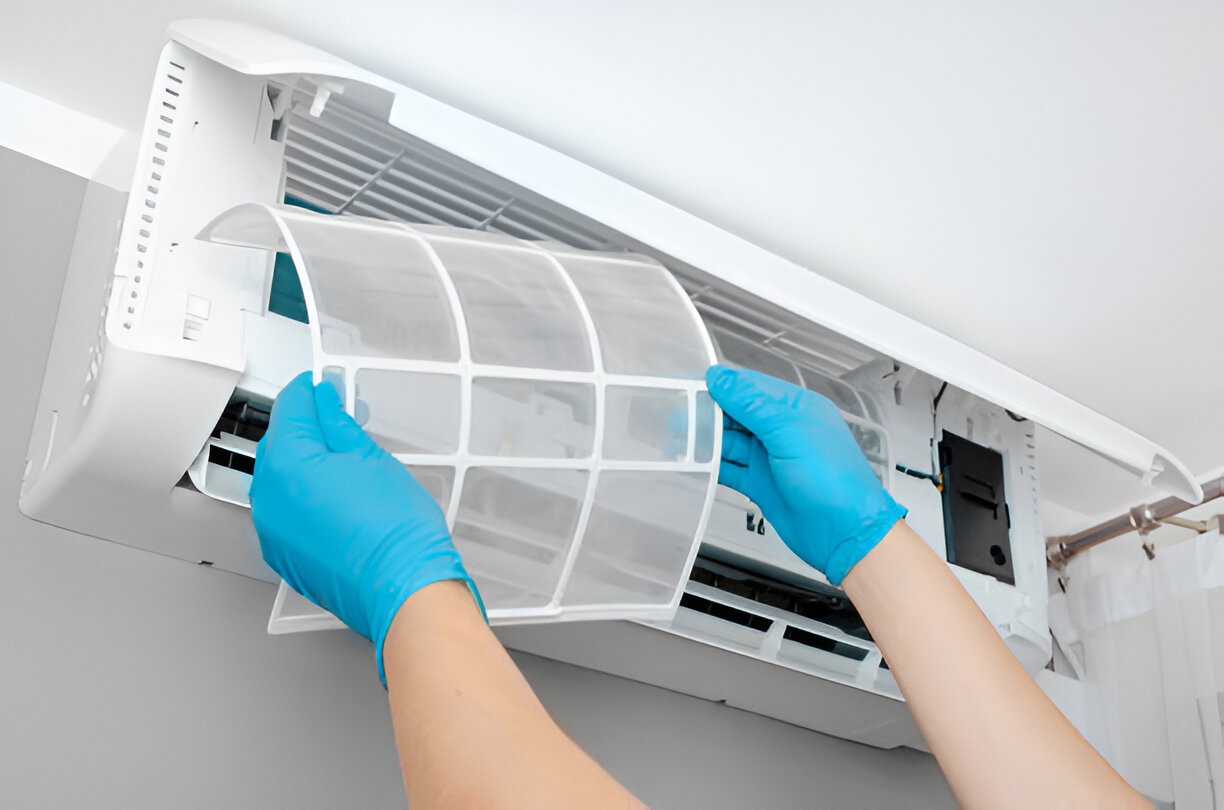
- Location of filters, how to remove and clean or replace them, and recommended cleaning frequency for New Caney humidity levels.
- How to operate remotes, thermostats, or smartphone apps for zone control.
- Explanation of basic troubleshooting steps and what to expect in normal operation.
- Documentation of model numbers, serials, warranty terms, and any required registration steps; instructions on scheduling routine maintenance to preserve warranty coverage.
Maintenance tips and long-term benefits
- Schedule annual tune-ups to maintain efficiency and catch issues early.
- Keep outdoor unit clear of debris, vegetation, and direct sunlight where possible to preserve performance during peak summer heat.
- Clean or replace filters every 1 to 3 months depending on use and indoor air conditions common to New Caney homes.
- Properly installed mini-splits deliver consistent comfort, lower utility costs through zoning and inverter technology, and improved humidity control that protects your home during humid Texas months.
Q: How long does a typical mini-split installation take?
A: Most single-zone installations can be completed in a day; multi-zone systems take longer depending on line runs, wall access, and complexity.
Q: Will I need a permit for mini-split installation in New Caney?
A: Many installations require a permit and must meet local electrical and building codes; your installer should handle permit requirements.
Q: How do I know what size mini-split I need?
A: A proper site assessment and load calculation account for room size, insulation, windows, and occupancy to determine the correct capacity.
Q: Can a mini-split handle both cooling and heating in New Caney?
A: Yes, many mini-splits provide efficient heating and cooling, offering year-round comfort suitable for New Caney climate variations.
Q: What routine maintenance is required to keep the warranty valid?
A: Regular filter cleaning, annual professional inspections, and keeping records of service typically help maintain warranty coverage.
Maintenance Plan You Can Rely On
Basic Care
Perfect for newer systems or budget-conscious homeowners wanting essential protection.
$149/year

Annual comprehensive system inspection
Filter replacement (standard filters included)
15% discount on repairs
Priority scheduling within 48 hours
Premium Protection
Ideal for homes with systems 5+ years old or with moderate usage patterns.
$249/year

Bi-annual system inspections (spring & fall)
Filter replacement (premium filters included)
25% discount on all repairs
Priority scheduling within 24 hours
Free diagnostic fees ($89 value)
Elite Coverage
Best for older systems, luxury homes, or properties with critical climate control needs.
$349/year
Quarterly system inspections
All filters and minor parts included
30% discount on major repairs
Same-day emergency service
Extended 2-year warranty on repairs
Annual system efficiency optimization
Basic Care
Perfect for newer systems or budget-conscious homeowners wanting essential protection.
$149/year
Annual comprehensive system inspection
Filter replacement (standard filters included)
15% discount on repairs
Priority scheduling within 48 hours
Premium Protection
Ideal for homes with systems 5+ years old or with moderate usage patterns.
$249/year
Bi-annual system inspections (spring & fall)
Filter replacement (premium filters included)
25% discount on all repairs
Priority scheduling within 24 hours
Free diagnostic fees ($89 value)
Elite Coverage
Best for older systems, luxury homes, or properties with critical climate control needs.
$349/year
Quarterly system inspections
All filters and minor parts included
30% discount on major repairs
Same-day emergency service
Extended 2-year warranty on repairs
Annual system efficiency optimization
Hear What Our Satisfied Clients Have To Say