
Mini Split Repair in New Caney, TX
Mini-split repair in New Caney, TX: fast diagnostics, refrigerant, electrical, and airflow fixes. Schedule service for reliable comfort today.
Scroll down to discover more

A malfunctioning mini-split disrupts comfort and raises energy bills fast, especially in New Caney where hot, humid summers and seasonal storms put extra strain on cooling systems. Stat Air Care Air Conditioning & Heating specializes in restoring these systems to peak performance quickly and efficiently.
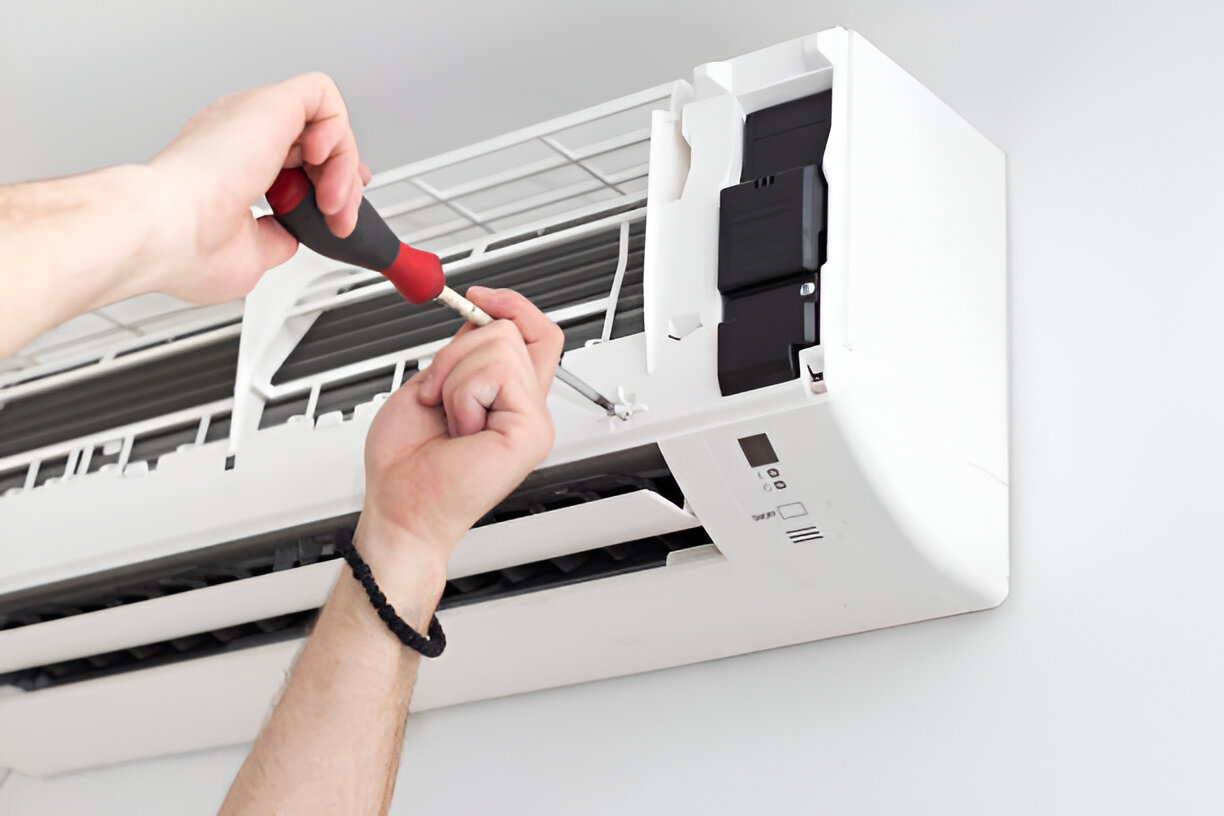
Common mini-split issues in New Caney homes
- Compressor or inverter faults – Symptoms include the outdoor unit not running, frequent on-off cycling, error codes on the indoor display, or poor cooling performance. Heat and humidity in New Caney increase compressor workload, accelerating wear.
- Refrigerant leaks – Low refrigerant causes weak cooling, ice buildup on the evaporator, and higher run times. Leaks often occur at brazed joints, service ports, or condenser fins.
- Electrical faults – Blown fuses, tripped breakers, damaged capacitors, or failed control boards produce intermittent operation or complete failure. Storm-related power fluctuations in the Houston metro area can stress electrical components.
- Airflow problems – Dirty filters, blocked condensate drains, or failing fans reduce airflow and comfort. Dust, pollen, and construction activity in growing New Caney neighborhoods make filtration and airflow maintenance more important.
- Sensor and control issues – Faulty thermostats or temperature sensors can cause short cycling or incorrect temperature readings.
Diagnostic procedures: how problems are found
Technicians use a stepwise diagnostic approach to isolate the root cause before recommending repairs:
- Visual inspection of indoor and outdoor units for physical damage, oil stains, frost, and debris.
- Review of system error codes and controller history.
- Electrical testing of voltage, current, capacitors, and control board signals.
- Refrigerant pressure checks with gauges to identify undercharge or overcharge conditions.
- Leak detection using electronic detectors, UV dye, or soap tests at joints and fittings.
- Airflow checks including filter condition, blower motor amp draw, and static pressure measurements.
- Performance test under load to confirm temperature splits and cycling behavior.
This systematic process reduces unnecessary parts replacement and pinpoints the correct repair for lasting results.
Typical repair procedures and parts replacement options
- Compressor or inverter repair
- Minor inverter board faults may be repaired by replacing specific components or the inverter module. Severe compressor mechanical failure usually requires compressor replacement or full outdoor unit replacement if the system is older.
- Options: inverter board swap, compressor replacement, or outdoor condenser assembly replacement.
- Refrigerant leak repair
- Locate and repair the leak (brazing or replacing damaged lines), evacuate and test the system for hold pressure, then recharge to manufacturer-specified refrigerant weight.
- Options: brazing small leaks, replacing sections of line set, changing driers/filters to remove moisture, and performing a vacuum test.
- Electrical faults
- Replace failed capacitors, relays, contactors, fuses, or control boards. Tighten and resecure wiring; add surge protection if repeated storm-related damage is evident.
- Options: individual component replacements or replacement of complete control module assemblies.
- Airflow and condensate repairs
- Clean or replace filters, clear condensate drains, repair or replace blower motors, and clean evaporator coils to restore proper airflow and prevent water damage.
- Options: filter upgrades, condensate pump replacement, motor or fan blade replacement.
- Sensor and control fixes
- Calibrate or replace faulty room sensors, remote controllers, or communication cables.
Estimated timelines for repairs
- Diagnostics and basic fixes (filter, condensate clear, capacitor swap): same day to 24 hours.
- Refrigerant leak location and repair with evacuation and recharge: 1 to 2 days depending on leak complexity and parts.
- Compressor or major electrical component replacement: 1 to 3 days depending on part availability and whether brazing or refrigerant recovery permits are required.
- Full outdoor unit replacement or multi-zone system work: 2 to 4 days, including testing and commissioning.
Timelines can extend when specific OEM parts must be ordered or after severe weather when local demand increases.
What affects repair cost
Instead of flat prices, repair cost depends on:
- Age and model of the mini-split and whether OEM parts are required.
- Type of repair: routine maintenance vs refrigerant recovery and brazing vs major component replacement.
- Accessibility of the unit (ground-level vs high wall vs rooftop).
- Number of zones involved and whether additional indoor units are affected.
- Local permitting or refrigerant handling requirements.
- Seasonal demand for HVAC services in New Caney, which can affect technician availability and parts lead times.
Providing a clear diagnosis first ensures repairs are necessary and cost-effective; replacing only failed components when appropriate preserves system value.
Warranty coverage on repairs
- Manufacturer warranties typically cover compressors, heat exchangers, and parts for a set period. Coverage varies by brand and registration status.
- Aftermarket parts often carry separate parts-only warranties; labor warranties for repairs are commonly offered for a fixed period after service.
- Warranty voidance risks include using non-approved refrigerants, improper brazing, or DIY interventions.
- Always verify original system warranty terms and keep service records and receipts to support future claims.
Emergency repair response in New Caney, TX
New Caney homeowners face heat spikes and occasional storms that can cause sudden failures. Emergency response considerations:
- Priority dispatch for systems posing health risks (e.g., no cooling during extreme heat).
- Rapid diagnosis to determine whether a temporary repair can restore operation until full parts arrive.
- Availability of common replacement parts for quick turnaround (filters, capacitors, contactors, driers).
- Weekend and evening service needs increase during heat waves and after storms; expect longer lead times during peak season.
Maintenance and prevention tips
- Replace or clean filters every 1 to 3 months during high-use periods to maintain airflow and efficiency.
- Schedule annual tune-ups before peak summer to check refrigerant charge, electrical connections, and drain lines.
- Keep outdoor units clear of vegetation and debris and protect systems from direct sun where feasible to reduce load.
- Install surge protection to reduce risk of control board and inverter damage during storms.
Timely repairs and regular maintenance extend equipment life, improve energy efficiency, and preserve indoor comfort for New Caney homes.
FAQs
Q: How soon can a diagnostic visit be completed for a malfunctioning mini-split?
A: Basic diagnostics and minor fixes can often be completed the same day; more involved issues that require parts or refrigerant work typically take 1 to 2 days.
Q: Will my manufacturer warranty cover compressor or inverter replacement?
A: Coverage depends on the original manufacturer warranty terms and registration. Compressors often have longer warranties than electronic components; retain service records and proof of purchase for claims.
Q: Can a refrigerant leak be repaired without replacing the compressor?
A: Yes. If the compressor is still sound, technicians locate and repair the leak, replace the drier, evacuate, and recharge the system. Compressor replacement is only necessary if mechanical failure exists.
Q: Are emergency mini-split repairs available during heat waves and after storms in New Caney?
A: Emergency response is commonly available for systems that affect health and safety, but response times can be longer during peak demand or widespread storm impacts.
Maintenance Plan You Can Rely On
Basic Care
Perfect for newer systems or budget-conscious homeowners wanting essential protection.
$149/year

Annual comprehensive system inspection
Filter replacement (standard filters included)
15% discount on repairs
Priority scheduling within 48 hours
Premium Protection
Ideal for homes with systems 5+ years old or with moderate usage patterns.
$249/year

Bi-annual system inspections (spring & fall)
Filter replacement (premium filters included)
25% discount on all repairs
Priority scheduling within 24 hours
Free diagnostic fees ($89 value)
Elite Coverage
Best for older systems, luxury homes, or properties with critical climate control needs.
$349/year
Quarterly system inspections
All filters and minor parts included
30% discount on major repairs
Same-day emergency service
Extended 2-year warranty on repairs
Annual system efficiency optimization
Basic Care
Perfect for newer systems or budget-conscious homeowners wanting essential protection.
$149/year
Annual comprehensive system inspection
Filter replacement (standard filters included)
15% discount on repairs
Priority scheduling within 48 hours
Premium Protection
Ideal for homes with systems 5+ years old or with moderate usage patterns.
$249/year
Bi-annual system inspections (spring & fall)
Filter replacement (premium filters included)
25% discount on all repairs
Priority scheduling within 24 hours
Free diagnostic fees ($89 value)
Elite Coverage
Best for older systems, luxury homes, or properties with critical climate control needs.
$349/year
Quarterly system inspections
All filters and minor parts included
30% discount on major repairs
Same-day emergency service
Extended 2-year warranty on repairs
Annual system efficiency optimization
Hear What Our Satisfied Clients Have To Say