
Mini Split Tune-up in New Caney, TX
Discover common mini-split problems in New Caney, TX, and learn how regular tune-ups can enhance performance, efficiency, and indoor air quality.
Scroll down to discover more

A professional mini-split tune-up from Stat Air Care Air Conditioning & Heating in New Caney, TX restores efficiency, reduces energy costs, and prevents inconvenient breakdowns during the hottest months. Homes in New Caney face long, hot summers with high humidity and seasonal pollen that accelerate coil fouling, clog filters, and strain ductless systems. A focused tune-up by Stat Air Care Air Conditioning & Heating addresses electrical, refrigerant, airflow, and control issues so your mini-split delivers reliable cooling and consistent comfort when you need it most.
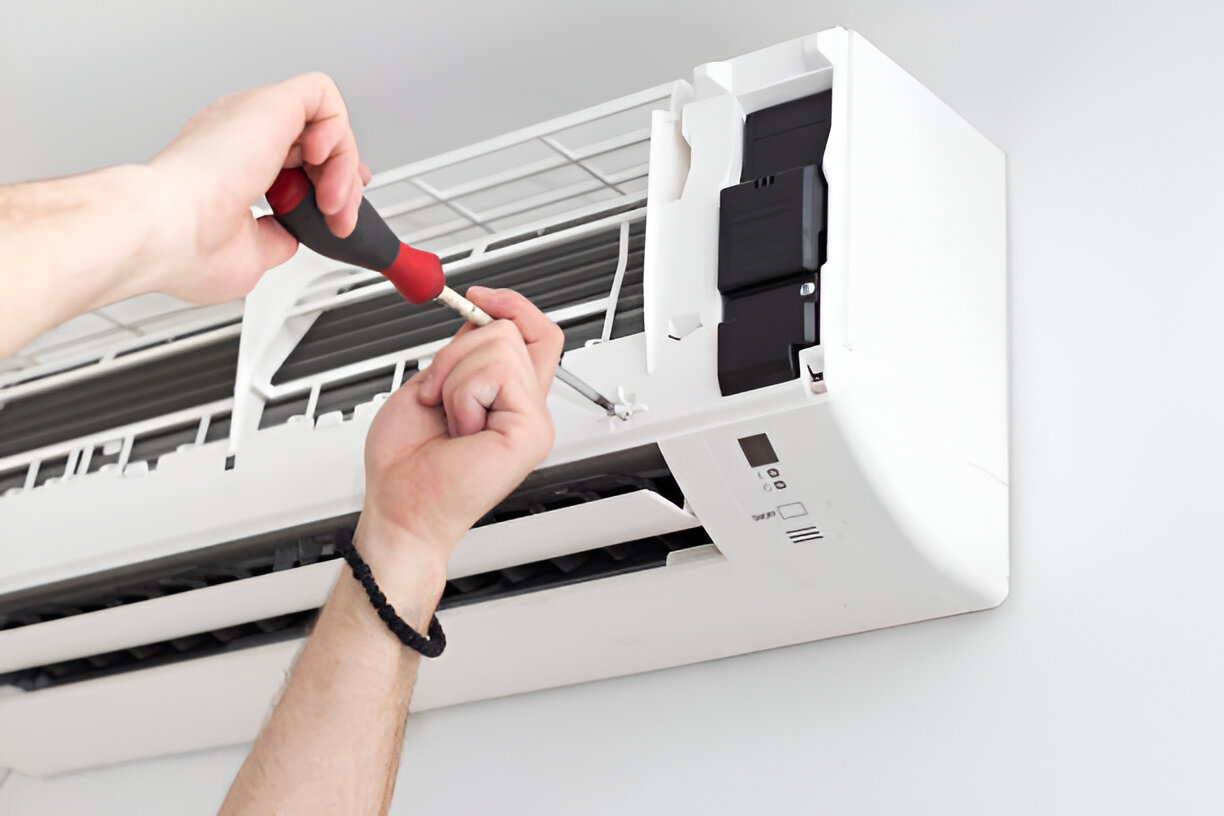
Common mini-split issues in New Caney, TX homes
- Reduced cooling capacity and longer run times. High outdoor temperatures and dirty coils reduce heat transfer and make the compressor work harder.
- Rising energy bills. When components are out of specification or filters are clogged, the system draws more power to maintain set temperatures.
- Short cycling or frequent on/off cycles. This often indicates control or refrigerant issues and increases wear on the compressor.
- Excess humidity or condensation problems. Humidity in East Texas can overwhelm a poorly maintained system, leading to dripping indoor units or mold growth.
- Unusual noises or vibration. Loose mounting hardware, failing fan motors, or electrical issues produce rattles, hums, and squeaks.
- Musty or stale indoor air. Dirty filters and coils allow dust, pollen, and microbial growth to circulate inside the home.
What a mini-split tune-up includes
A comprehensive mini-split tune-up in New Caney, TX covers the critical systems that affect performance, safety, and longevity. Typical tune-up tasks include:
- Electrical component inspection: Check contactors, relays, wiring connections, breakers, and capacitors for wear, corrosion, and proper operation.
- Indoor and outdoor coil cleaning: Remove pollen, dust, and grime from evaporator and condenser coils to restore proper heat exchange.
- Filter cleaning or replacement: Clean reusable filters or recommend replacement of disposable filters to improve airflow and indoor air quality.
- Refrigerant pressure checks: Measure pressures and temperatures to verify proper refrigerant charge and identify potential leaks.
- Control calibration: Verify thermostat/remote accuracy, control board settings, and communication between indoor and outdoor units.
- Airflow and blower inspection: Measure airflow, inspect fan blades and motors, and adjust fan speeds for balanced delivery.
- Drain and condensate checks: Clear condensate lines, inspect drain pans, and verify condensate pump operation where applicable.
- Line set insulation and mounting checks: Inspect refrigerant lines for proper insulation and secure mounting to prevent heat gain and damage.
- Safety checks: Test safety switches, high/low pressure cutouts, and electrical safety devices to reduce risk of failure.
- Service checklist documentation: Provide a written checklist of findings and recommended next steps for repairs or replacements.
Diagnostic process: how technicians identify issues
- Visual and electrical inspection of indoor and outdoor units for obvious wear, corrosion, or damage.
- Measure voltage and amperage on compressors and motors to confirm electrical health.
- Test refrigerant pressures, calculate superheat and subcooling, and compare to manufacturer specifications.
- Assess airflow by inspecting filters, blower operation, and static pressure where accessible.
- Run system through cooling and defrost cycles to observe control operation and repeatability.
- Inspect condensate flow and check for signs of microbial growth or drainage obstructions.
- Compile findings into a service checklist with prioritized recommendations.
Repairs and solutions commonly performed during tune-ups
- Tightening or replacing electrical connections and worn terminals.
- Replacing capacitors, contactors, or failed fan motors as needed.
- Cleaning coils with appropriate noncorrosive cleaners and rinsing to restore heat transfer.
- Repairing refrigerant leaks and recharging systems only after leak repair and pressure confirmation.
- Replacing damaged insulation on line sets and securing loose mounting hardware.
- Clearing or repairing condensate lines and replacing clogged drain pans or pumps.
- Reprogramming or calibrating controls and remotes for correct set points and response.
Note: Refrigerant recharges require proper leak detection and repair first. A healthy refrigerant charge is essential for efficiency, but topping off without fixing leaks will only create recurring problems.
Service checklist and recommended frequency
For New Caney homes, recommended tune-up frequency depends on usage and local conditions:
- Minimum: Annual tune-up to maintain warranty and baseline performance.
- Recommended: Biannual tune-ups (spring and fall) for homes that run systems heavily or face seasonal pollen and high humidity.
Standard tune-up checklist items: - Inspect and tighten electrical connections
- Clean indoor evaporator coil and outdoor condenser coil
- Clean or replace air filters
- Check refrigerant pressures and calculate superheat/subcooling
- Inspect and test fan motors and blowers
- Verify thermostat and control calibrations
- Clear condensate drain and inspect drain pan or pump
- Inspect line set insulation and mounting hardware
- Test safety controls and electrical protections
- Document findings and recommended repairs
Benefits of regular mini-split tune-ups in New Caney, TX
- Restores rated efficiency to lower energy bills during long cooling seasons.
- Extends equipment life and reduces the likelihood of expensive emergency repairs.
- Improves indoor air quality by removing accumulated pollen, dust, and mold from coils and filters.
- Enhances comfort consistency and humidity control in a humid East Texas climate.
- Preserves manufacturer warranties by maintaining recommended service intervals.
Preventive tips for homeowners in New Caney
- Schedule tune-ups before the peak summer months to avoid service backlogs and ensure peak performance.
- Keep outdoor heads clear of leaves, grass clippings, and vegetation to maintain airflow.
- Replace or clean filters more often during spring pollen season.
- Ensure line-set insulation is intact to reduce heat gain and improve efficiency in direct sunlight.
- Monitor for early warning signs like increased noise, short cycling, or higher energy use and address them promptly.
Q: How often should I have a mini-split tune-up in New Caney, TX?
A: At minimum once per year, but biannual service in spring and fall is recommended due to high summer use and seasonal pollen.
Q: Will a tune-up fix a refrigerant leak?
A: A tune-up includes leak detection; refrigerant will only be recharged after leaks are repaired and pressures verified.
Q: Can cleaning coils and filters lower my electric bill?
A: Yes. Clean coils and properly functioning filters restore heat transfer and airflow, which reduces runtime and energy consumption.
Q: How long does a typical tune-up take?
A: Most tune-ups take between one and two hours depending on system condition and any repairs required.
Q: Are tune-ups necessary for single-zone and multi-zone mini-splits?
A: Yes. Both single-zone and multi-zone ductless systems benefit from the same inspections and maintenance tasks.
Q: Will maintenance affect my warranty?
A: Regular documented maintenance typically helps preserve manufacturer warranties; follow the manufacturer schedules and keep service records.
Maintenance Plan You Can Rely On
Basic Care
Perfect for newer systems or budget-conscious homeowners wanting essential protection.
$149/year

Annual comprehensive system inspection
Filter replacement (standard filters included)
15% discount on repairs
Priority scheduling within 48 hours
Premium Protection
Ideal for homes with systems 5+ years old or with moderate usage patterns.
$249/year

Bi-annual system inspections (spring & fall)
Filter replacement (premium filters included)
25% discount on all repairs
Priority scheduling within 24 hours
Free diagnostic fees ($89 value)
Elite Coverage
Best for older systems, luxury homes, or properties with critical climate control needs.
$349/year
Quarterly system inspections
All filters and minor parts included
30% discount on major repairs
Same-day emergency service
Extended 2-year warranty on repairs
Annual system efficiency optimization
Basic Care
Perfect for newer systems or budget-conscious homeowners wanting essential protection.
$149/year
Annual comprehensive system inspection
Filter replacement (standard filters included)
15% discount on repairs
Priority scheduling within 48 hours
Premium Protection
Ideal for homes with systems 5+ years old or with moderate usage patterns.
$249/year
Bi-annual system inspections (spring & fall)
Filter replacement (premium filters included)
25% discount on all repairs
Priority scheduling within 24 hours
Free diagnostic fees ($89 value)
Elite Coverage
Best for older systems, luxury homes, or properties with critical climate control needs.
$349/year
Quarterly system inspections
All filters and minor parts included
30% discount on major repairs
Same-day emergency service
Extended 2-year warranty on repairs
Annual system efficiency optimization
Hear What Our Satisfied Clients Have To Say