
Mini Split Service in New Caney, TX
Mini-split service in New Caney, TX offers routine maintenance, diagnostics, and timely repairs to boost efficiency and comfort. Schedule service today.
Scroll down to discover more

Mini-split Service in New Caney, TX from Stat Air Care Air Conditioning & Heating is essential for reliable cooling and year-round comfort in local homes and businesses. New Caney’s hot, humid summers and seasonal pollen put extra stress on ductless mini-split systems. Routine servicing, accurate diagnostics, and timely repairs keep your system running efficiently, reduce energy costs, and prevent small issues from becoming costly failures.
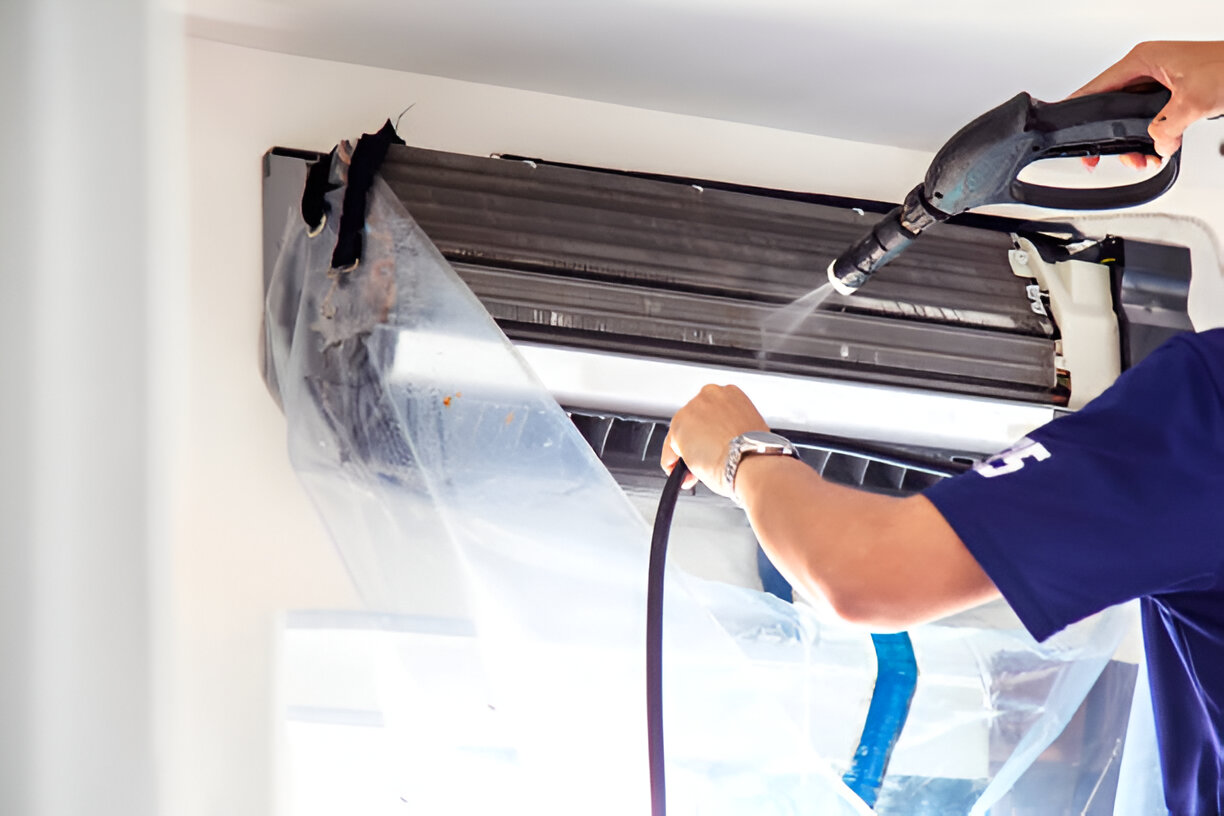
What our Mini-split Services Cover
We provide comprehensive mini-split service options for residential and commercial clients in New Caney, TX, including:
- Routine maintenance and seasonal tune-ups designed to optimize performance for Texas heat
- System diagnostics to identify airflow, refrigerant, electrical, and control issues
- Filter cleaning and replacement to improve indoor air quality and efficiency
- Evaporator and condenser coil cleaning to restore heat exchange capacity
- Refrigerant checks and leak detection with EPA-compliant handling and documentation
- Fan motor, capacitor, and blower inspections and adjustments
- Thermostat and controller calibration, including remote and smart controls
- Drain line and condensate pan cleaning to prevent overflow and mold growth
- Service agreements offering scheduled maintenance, priority scheduling, and documented service history
- Warranty-backed workmanship and quality OEM or equivalent replacement parts
Common Mini-split Issues in New Caney, TX
Local climate and usage patterns create predictable problems that service technicians see regularly:
- Reduced cooling capacity: Dirty coils and clogged filters reduce airflow and cooling output during peak summer months.
- Refrigerant leaks: High runtime in hot weather can expose weak fittings or seals, leading to decreased efficiency and icy evaporator coils.
- Frequent cycling or short cycling: Electrical issues, improper refrigerant charge, or thermostat faults cause systems to start and stop too often.
- Frozen evaporator coils: Restricted airflow combined with low refrigerant often causes icing, common when systems run continuously in high heat.
- Condensate problems: High humidity can overwhelm drainage, causing overflow, water damage, or mold in indoor units.
- Excessive noise or vibration: Fan imbalance, loose mounting, or failing motors create disruptive noise in homes and small businesses.
- Sensor or control failures: Remote controllers and wall-mounted thermostats can drift out of calibration or fail, affecting comfort and efficiency.
Diagnostic Process: What to Expect
A thorough diagnostic visit follows a systematic approach to pinpoint issues and recommend fixes:
- Visual and audible inspection of indoor and outdoor units for leaks, corrosion, and abnormal sounds.
- Airflow measurements and temperature split testing to evaluate performance under load.
- Filter and coil examination with targeted cleaning or documentation for replacement.
- Refrigerant pressure readings using gauges and leak detection tools; inspection for oil stains or dye if present.
- Electrical testing of capacitors, contactors, fuses, and wiring for safe, reliable operation.
- Thermostat and control verification, including signal testing for wall controllers and remotes.
- Condensate drain and pan inspection to check slope, blockages, and presence of microbial growth.
- Final performance test with system run-time verification and a written summary of findings and recommended next steps.
This diagnostic framework minimizes guesswork and ensures repairs address root causes rather than symptoms.
Repairs and Solutions
Repair strategies focus on restoring efficiency and durability while using quality parts:
- Filter and coil service: Professional cleaning restores heat transfer and airflow; heavily corroded or damaged coils are replaced with quality components.
- Refrigerant service: Technicians repair leaks, evacuate and recharge systems to manufacturer specifications, and provide proper refrigerant handling documentation.
- Electrical repairs: Replace worn capacitors, contactors, fan motors, and thermostats with parts matched to the unit to prevent repeat failures.
- Drainage fixes: Clear or replace drain lines, treat condensate pans, and install secondary safety measures where recurring moisture is a concern.
- Component replacement: Compressors, PCB boards, or indoor blowers are replaced only when necessary, with an emphasis on warranty-backed parts and workmanship.
All repairs follow manufacturer guidelines and local code requirements to keep systems safe and reliable.
Service Agreements and Scheduling for New Caney Properties
Service agreements remove uncertainty and protect equipment against high-demand months:
- Planned seasonal maintenance schedules tailored for New Caney’s climate, typically with spring or early-summer tune-ups to prepare for peak cooling season
- Priority scheduling for agreement holders to reduce downtime during hot spells
- Clear service records and inspection reports that support warranty claims and help property managers plan capital expenses
- Options for residential homeowners and commercial property managers, including multi-unit service coordination
Regular maintenance through a service agreement is a proven way to reduce emergency repairs and improve long-term system efficiency.
Why Timely Mini-split Service Matters in New Caney
Timely service matters more in New Caney than in milder climates because:
- High humidity increases the risk of condensate-related problems and indoor air quality issues
- Continuous summer demand accelerates wear on compressors and electrical components
- Preventive care maintains comfort, lowers utility bills, and reduces the risk of system failure during extreme heat
- For commercial properties, reliable HVAC performance supports business continuity and occupant comfort
Investing in routine service preserves system value and reduces total cost of ownership.
Maintenance Tips for Homeowners and Property Managers
Simple, regular actions can complement professional service:
- Check and clean or replace filters monthly during heavy-use seasons
- Keep outdoor units clear of vegetation, debris, and storage items that restrict airflow
- Monitor drain lines for slow drainage or standing water and schedule cleaning if needed
- Use programmable or smart controllers to limit unnecessary runtime
- Keep a record of service visits, refrigerant charges, and part replacements for warranty support
These steps help sustain performance between professional visits.
FAQs
Q: How often should a mini-split in New Caney be serviced?
A: Service at least once a year for moderate use; twice a year is recommended in New Caney due to high summer humidity and heavy cooling demand.
Q: Will cleaning my filters myself be enough?
A: Routine filter cleaning helps, but professional coil cleaning, refrigerant checks, and electrical inspections are required to fully maintain efficiency and prevent hidden problems.
Q: What indicates a refrigerant leak?
A: Symptoms include reduced cooling, frosting on the evaporator, hissing sounds, and higher than normal run times; diagnostics are needed to confirm and repair leaks.
Q: Can mini-splits handle New Caney humidity?
A: Yes. Properly sized and maintained mini-splits control humidity effectively; neglect or undersizing reduces dehumidification performance.
Q: Are replacement parts covered by warranty?
A: Quality parts paired with documented professional installation often carry manufacturer or supplier warranties; keep service records to support claims.
Maintenance Plan You Can Rely On
Basic Care
Perfect for newer systems or budget-conscious homeowners wanting essential protection.
$149/year

Annual comprehensive system inspection
Filter replacement (standard filters included)
15% discount on repairs
Priority scheduling within 48 hours
Premium Protection
Ideal for homes with systems 5+ years old or with moderate usage patterns.
$249/year

Bi-annual system inspections (spring & fall)
Filter replacement (premium filters included)
25% discount on all repairs
Priority scheduling within 24 hours
Free diagnostic fees ($89 value)
Elite Coverage
Best for older systems, luxury homes, or properties with critical climate control needs.
$349/year
Quarterly system inspections
All filters and minor parts included
30% discount on major repairs
Same-day emergency service
Extended 2-year warranty on repairs
Annual system efficiency optimization
Basic Care
Perfect for newer systems or budget-conscious homeowners wanting essential protection.
$149/year
Annual comprehensive system inspection
Filter replacement (standard filters included)
15% discount on repairs
Priority scheduling within 48 hours
Premium Protection
Ideal for homes with systems 5+ years old or with moderate usage patterns.
$249/year
Bi-annual system inspections (spring & fall)
Filter replacement (premium filters included)
25% discount on all repairs
Priority scheduling within 24 hours
Free diagnostic fees ($89 value)
Elite Coverage
Best for older systems, luxury homes, or properties with critical climate control needs.
$349/year
Quarterly system inspections
All filters and minor parts included
30% discount on major repairs
Same-day emergency service
Extended 2-year warranty on repairs
Annual system efficiency optimization
Hear What Our Satisfied Clients Have To Say