
AC Repair in Spring, TX
Air Conditioning Repair in Spring, TX delivers fast, reliable service to restore comfort, improve efficiency, and reduce future breakdowns. Call now.
Scroll down to discover more

Stat Air Care Air Conditioning & Heating: Air Conditioning Repair in Spring, TX
When your air conditioner struggles during Spring, TX summers, comfort and indoor air quality quickly become urgent concerns. Stat Air Care Air Conditioning & Heating provides Air Conditioning Repair in Spring, TX that focuses on restoring cooling performance, preventing recurring failures, and protecting your home from humidity-related issues common to the Houston area.
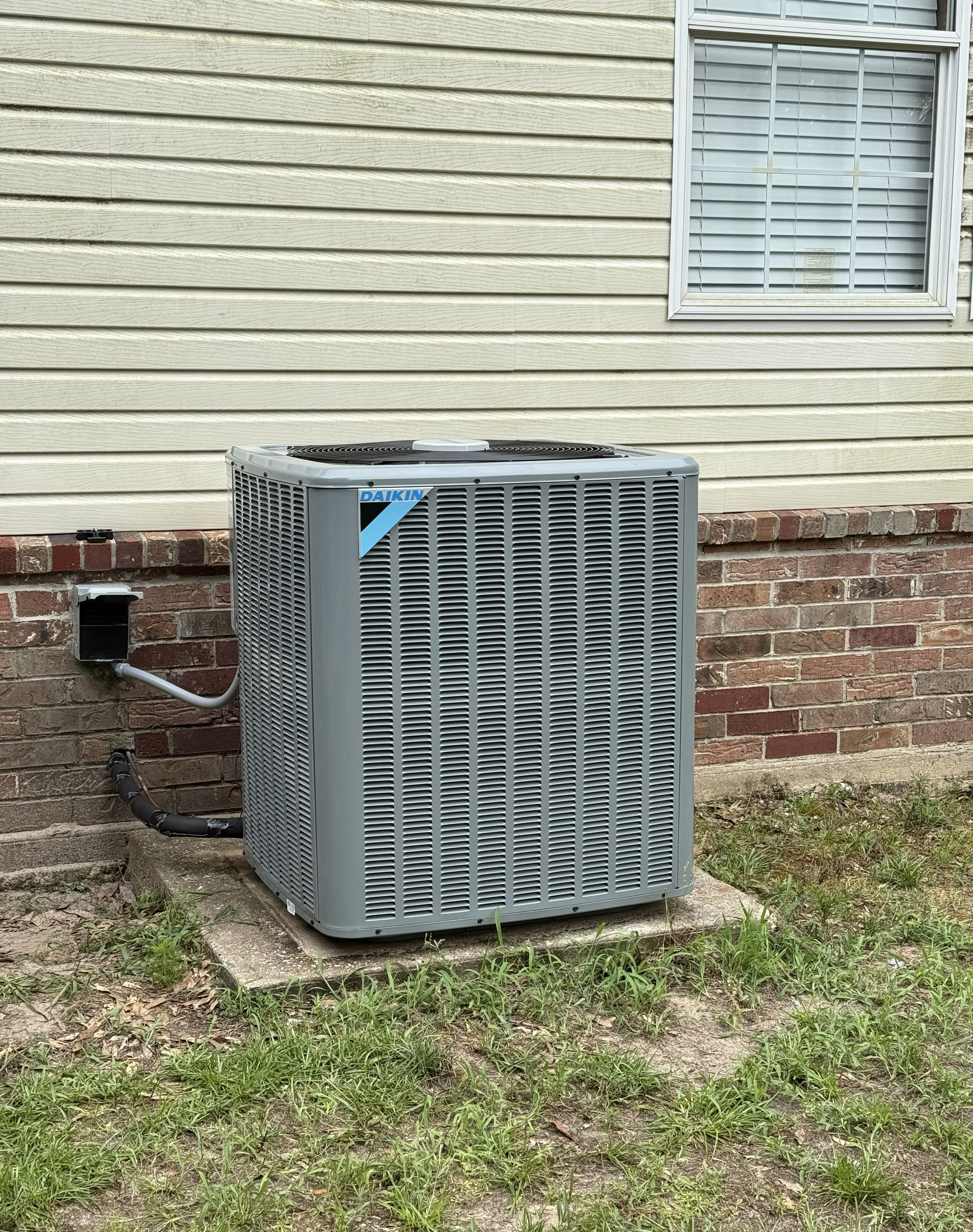
Why timely AC repair matters in Spring, TX
Spring, TX experiences long, hot, and humid cooling seasons. High humidity increases system load and encourages coil corrosion, clogged drains, and mold growth inside ductwork. Small problems left unchecked often escalate into compressor failures or refrigerant leaks, which are more expensive and disruptive to repair. Prompt diagnosis and repair preserve system efficiency, lower energy costs, and keep indoor humidity and allergens under control.
Common AC repair issues in Spring, TX homes
Homeowners in Spring frequently encounter these AC problems:
- Insufficient cooling or warm air — often caused by low refrigerant, failing compressors, clogged coils, or blocked airflow.
- Short cycling — unit turns on and off rapidly due to thermostat issues, refrigerant problems, or electrical faults.
- Noisy operation — rattles, grinding, or squealing point to failing fan motors, loose components, or worn bearings.
- Unit not starting — electrical failures, blown fuses, bad capacitors, or failed control boards are typical causes.
- Frozen evaporator coil — restricted airflow from dirty filters or blower issues combined with refrigerant imbalance.
- Water leaks or overflowing drains — high humidity and clogged condensate lines lead to water backup and potential water damage.
- High humidity indoors — even when temperature seems okay, failing balance between cooling and dehumidification can be the root cause.
- Unpleasant odors and poor air quality — mold or bacterial growth on coils and inside ductwork due to moisture.
Diagnostic procedures: what a professional will check
A thorough diagnostic process ensures accurate repair recommendations. Typical steps include:
- System walkthrough and homeowner interview to confirm symptoms and any recent changes.
- Visual inspection of the outdoor condenser and indoor air handler for debris, corrosion, and physical damage.
- Thermostat and control checks to verify settings, calibration, and wiring.
- Electrical testing of capacitors, contactors, relays, and control boards to detect failure points.
- Refrigerant pressure measurement to identify leaks or improper charge.
- Airflow and duct assessment including filter condition, blower motor function, and register balance.
- Evaporator and condenser coil inspection for dirt, corrosion, or ice buildup.
- Drain line and condensate system evaluation to prevent overflow and microbial growth.
- Leak detection when refrigerant loss is suspected.
Technicians document findings and explain whether repair, partial component replacement, or total system replacement is the most cost-effective and durable solution.
Emergency and same-day repair options
Because Spring weather can escalate indoor heat quickly, many repairs are triaged for same-day response when safety or comfort is at risk. Typical emergency and same-day services include:
- Restart and temporary fixes to restore cooling while parts are sourced
- Replacement of commonly failing parts kept on service vehicles, such as capacitors, contactors, and fan motors
- Rapid diagnosis and securing of systems that pose electrical or water-damage risks
- Prioritizing repairs that prevent further component damage, such as addressing refrigerant leaks or a failing compressor before it causes major system failure
Same-day availability depends on parts inventory and the complexity of the repair. When parts are special-order, technicians provide clear expectations about timing and interim measures to keep the home safe.
Typical parts and labor explanations
Common parts involved in AC repairs in Spring, TX include:
- Capacitors and contactors — frequent causes of failure that are quick to replace.
- Fan motors and blower assemblies — wear leads to reduced airflow and noisy operation.
- Compressors and refrigerant components — major repairs that often determine whether replacement is more economical than repair.
- Evaporator and condenser coils — cleaning or replacement when badly corroded or damaged.
- Thermostats and control boards — essential for system control and diagnostics.
- Drain pumps and condensate pans — replaced when clogged, rusted, or leaking.
Labor typically includes diagnostic time, removal and installation of parts, system testing, and cleanup. Simple repairs (capacitor, contactor, filter change) often take under two hours; more involved jobs like coil or compressor replacement can take most of a day or may require scheduling depending on parts. Labor also covers refrigerant handling that follows environmental regulations and leak repair procedures.
Transparent estimates and repair decision guidance
A trustworthy repair process includes clear, itemized estimates that separate parts, labor, and any diagnostic or disposal fees. Estimates should show:
- The specific problem and how it was identified
- Recommended repairs and optional alternatives with pros and cons
- Expected lifespan and warranty on parts and labor
- Timeline for completion and any interim solutions proposed
For major failures, technicians will explain the cost-benefit of repair versus full system replacement, factoring in age, efficiency, and ongoing performance. Transparency ensures homeowners in Spring can make informed choices that align with comfort needs and budget.
Typical repair timelines
- Diagnostic visit: 30 to 90 minutes depending on system complexity.
- Minor repairs (electrical parts, filters, thermostats): same-day, often under 2 hours.
- Moderate repairs (motors, coils, drain line work): half to full day.
- Major repairs (compressor, major refrigerant work, system retrofits): half day to multiple days if parts must be ordered or permits are required.
Severe weather or supply chain delays can extend timelines; good estimates will set realistic expectations.
Preventive tips to reduce future breakdowns in Spring, TX
Preventive maintenance is especially valuable in Spring’s warm, humid climate. Practical steps include:
- Schedule seasonal tune-ups before the cooling season to catch problems early.
- Replace filters regularly — every 1 to 3 months depending on use and indoor air quality.
- Keep the outdoor unit clear of leaves, pollen, and yard debris to maintain airflow.
- Inspect and clear condensate drains to prevent clogs and mold growth.
- Install a surge protector or consider one for the outdoor unit to protect electronics during storms.
- Use a programmable or smart thermostat to reduce runtime and wear during extreme heat.
- Seal and insulate ducts to maintain efficient airflow and reduce strain.
- Monitor energy use and comfort — sudden spikes in energy bills or uneven cooling are early warning signs.
Benefits of prompt, professional repair
Addressing AC issues quickly in Spring, TX preserves comfort, reduces utility costs, and extends equipment life. Effective repairs restore proper dehumidification, reduce mold and allergens, and prevent costly secondary damage to other system components. Clear diagnostics and itemized estimates empower homeowners to choose durable, efficient solutions tailored to local climate demands and household needs.
This overview of Air Conditioning Repair in Spring, TX is meant to help you understand what to expect from diagnosis through repair and how to protect your system against the region’s climate stresses.
Maintenance Plan You Can Rely On
Basic Care
Perfect for newer systems or budget-conscious homeowners wanting essential protection.
$149/year

Annual comprehensive system inspection
Filter replacement (standard filters included)
15% discount on repairs
Priority scheduling within 48 hours
Premium Protection
Ideal for homes with systems 5+ years old or with moderate usage patterns.
$249/year

Bi-annual system inspections (spring & fall)
Filter replacement (premium filters included)
25% discount on all repairs
Priority scheduling within 24 hours
Free diagnostic fees ($89 value)
Elite Coverage
Best for older systems, luxury homes, or properties with critical climate control needs.
$349/year
Quarterly system inspections
All filters and minor parts included
30% discount on major repairs
Same-day emergency service
Extended 2-year warranty on repairs
Annual system efficiency optimization
Basic Care
Perfect for newer systems or budget-conscious homeowners wanting essential protection.
$149/year
Annual comprehensive system inspection
Filter replacement (standard filters included)
15% discount on repairs
Priority scheduling within 48 hours
Premium Protection
Ideal for homes with systems 5+ years old or with moderate usage patterns.
$249/year
Bi-annual system inspections (spring & fall)
Filter replacement (premium filters included)
25% discount on all repairs
Priority scheduling within 24 hours
Free diagnostic fees ($89 value)
Elite Coverage
Best for older systems, luxury homes, or properties with critical climate control needs.
$349/year
Quarterly system inspections
All filters and minor parts included
30% discount on major repairs
Same-day emergency service
Extended 2-year warranty on repairs
Annual system efficiency optimization
Hear What Our Satisfied Clients Have To Say