
AC Tune-Up in Spring, TX
Spring TX air conditioning tune ups improve efficiency and prevent breakdowns; schedule now for reliable cooling and cleaner indoor air.
Scroll down to discover more

Air Conditioning Tune Up in Spring, TX
Keeping your air conditioning performing reliably through Spring, TX summers starts with a thorough tune up from Stat Air Care Air Conditioning & Heating. In a humid subtropical climate where temperatures climb quickly and pollen and humidity stress systems, a seasonal AC tune up addresses efficiency, prevents breakdowns, and improves indoor comfort.
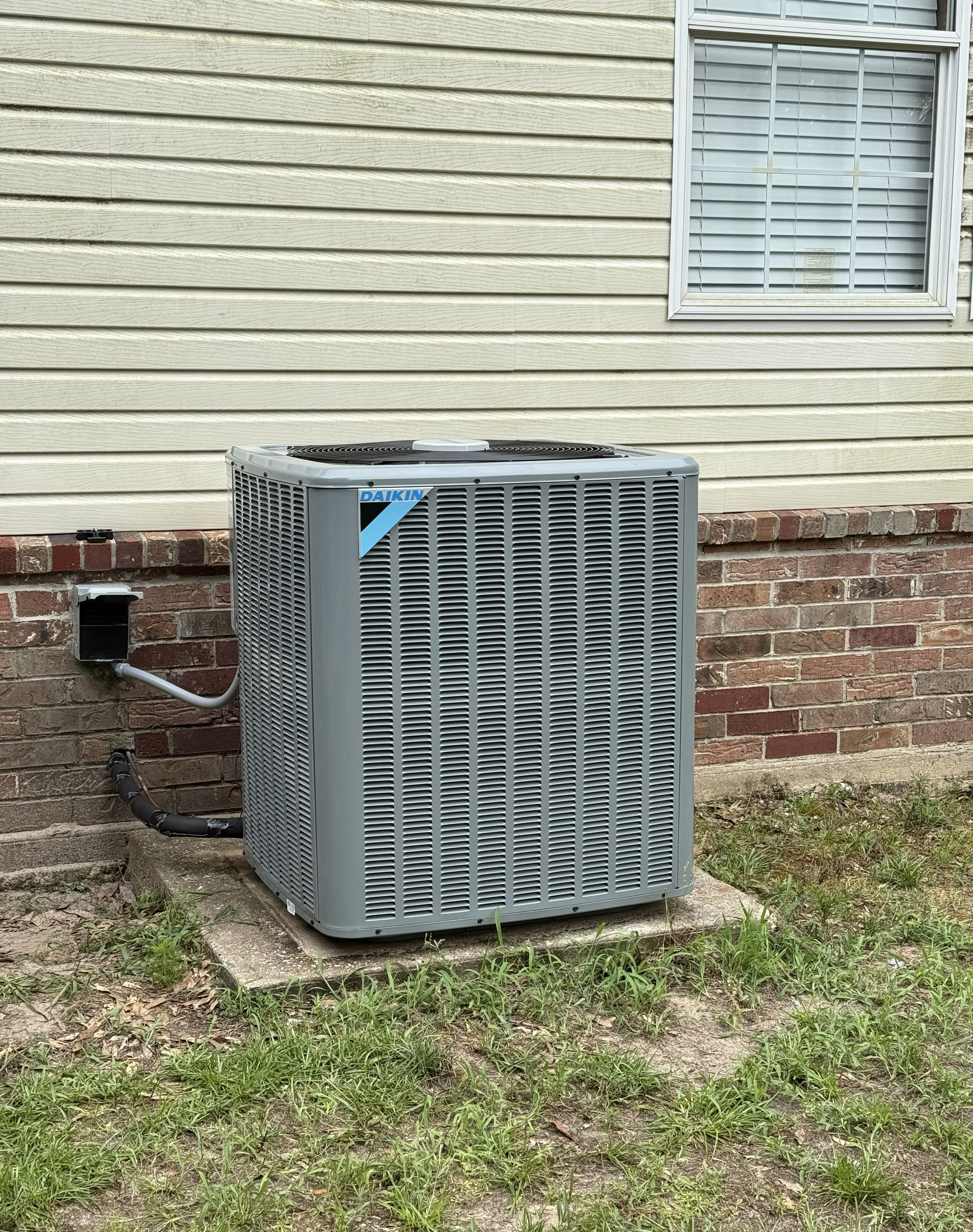
Common air conditioning issues in Spring, TX homes
Spring homeowners frequently see problems that stem from heavy seasonal use and local environmental factors:
- Reduced cooling capacity or uneven cooling — often from clogged filters, dirty coils, or imbalanced airflow.
- Higher energy bills — caused by dirty components, low refrigerant, or failing electrical parts.
- Short cycling or frequent on/off cycles — can indicate thermostat or refrigerant issues.
- Frozen evaporator coils — often due to restricted airflow or low refrigerant.
- Strange noises or vibrations — loose components, failing bearings, or debris in the outdoor unit.
- Drain clogs and indoor humidity problems — common with high pollen and moisture levels.
- Corrosion and condenser damage — humidity and seasonal debris accelerate wear on outdoor units.
Understanding these local risks helps prioritize tune up tasks that keep systems reliable during peak demand.
What an air conditioning tune up includes
A professional tune up is a systematic inspection, cleaning, and adjustment process focused on reliability and efficiency. A typical checklist includes:
- Filter inspection and replacement — check for clogging and recommend replacement frequency based on usage and indoor air quality.
- Coil evaluation and cleaning — inspect evaporator and condenser coils for dirt and biological growth; clean to restore heat transfer.
- Blower and air handler inspection — clean blower wheel, check motor operation, and verify proper airflow.
- Electrical system check — tighten connections, test capacitors, contactors, relays, and safety controls for safe operation.
- Refrigerant level check — measure pressures and temperatures to verify correct refrigerant charge and look for leaks.
- Condensate drain and pan inspection — clear blockages, treat for microbial growth, and ensure proper drainage.
- Thermostat calibration — verify setpoint accuracy and sensor operation.
- Outdoor unit clearance — remove debris, trim vegetation, and ensure proper airflow around the condenser.
Each item is tested and logged so you understand current system health and any recommended follow-ups.
Cleaning and adjustment procedures
During the tune up, technicians perform targeted cleaning and mechanical adjustments that restore efficiency:
- Coil cleaning — gentle chemical or steam cleaning to remove grime without damaging fins.
- Condenser fin straightening — fin combing to restore airflow and improve heat dissipation.
- Evaporator and blower cleaning — remove dust buildup that restricts airflow and reduces cooling.
- Drain line flushing — mechanical or chemical clearing of clogs that cause overflow and humidity issues.
- Lubrication and belt adjustment — extend motor and fan life and eliminate squeaks or slippage.
- Tightening and securing — vibration-prone panels, mounting bolts, and electrical connections are secured.
These steps reduce load on the compressor, lower energy use, and help systems meet design performance.
Performance optimization steps
Beyond cleaning, tune ups include diagnostic adjustments that improve comfort and efficiency:
- System airflow balancing — measure static pressure and adjust fans, vents, and dampers.
- Refrigerant charge correction — bring refrigerant to manufacturer specifications to restore capacity.
- Capacitor and contactor testing — replace weak components before they cause failures.
- Duct inspection recommendations — identify leaks or insulation gaps that waste cooled air.
- Thermostat programming — optimize temperature schedules for comfort and savings.
- Electrical load verification — ensure safe power draw and reduce risk of motor or compressor damage.
These actions help your system cool consistently while using less energy during Spring to summer transitions.
Benefits of regular tune-ups in Spring, TX
Scheduling seasonal tune ups delivers measurable advantages for homeowners in this region:
- Lower utility bills — cleaner, correctly charged systems use less electricity.
- Fewer emergency repairs — early detection of worn parts prevents mid-summer failures.
- Improved indoor air quality — cleaner filters and coils reduce pollen, dust, and microbial growth.
- Extended equipment life — proactive maintenance reduces stress on major components.
- Better humidity control — optimized cooling and drainage reduce indoor moisture problems.
- Warranty and insurance compliance — many warranties require routine maintenance documentation.
Regular tune ups are an investment that reduces long-term ownership costs and improves comfort.
Recommended schedule and signs you need a tune up
For Spring, TX homes, timing and frequency depend on system type and usage:
- Annual professional tune up — recommended in early spring (March–April) before heavy cooling demand.
- Biannual service — consider twice yearly for older equipment, high-use systems, or homes with severe indoor air quality needs (spring and early fall).
- Filter checks — inspect monthly and replace every 1–3 months depending on filter type, pets, or pollen levels.
- Immediate service triggers — unusual noises, spikes in energy use, poor airflow, thermostat inconsistency, or visible leaks.
Scheduling before the first heatwave reduces the chance of downtime when you need cooling most.
Typical diagnostic process and what to expect during a visit
A standard tune up visit follows a reliable, safety-first workflow:
- Initial system assessment — technician reviews complaints, checks system age and maintenance history.
- Visual and operational inspection — run the system, listen for issues, and observe performance.
- Checklist testing — measure pressures, temperatures, amperage, static pressure, and airflow.
- Cleaning and adjustments — perform the cleaning and mechanical steps needed to restore function.
- Final verification and report — confirm improved performance and provide a summary of findings, recommended repairs, and estimated timelines if additional work is needed.
Most residential tune ups take between 45 minutes and 90 minutes depending on system condition and size.
How to schedule a tune up (what the process typically looks like)
Booking a professional tune up generally follows straightforward steps that help you prepare:
- Choose an available appointment window that fits your schedule; many providers offer same-week or multi-day windows in spring.
- Provide basic information: system make/model, age, symptoms observed, and any access notes (locked gates, pets, preferred entry).
- Be prepared with recent maintenance records if available; this helps technicians identify patterns or prior work.
- Confirm the appointment window and any arrival expectations; technicians often provide a time window and checklist of what they will inspect.
- On service day, ensure clear access to indoor and outdoor units and a functioning thermostat to verify system performance.
This neutral outline helps you understand the typical booking flow and how to prepare for a productive maintenance visit.
Maintenance Plan You Can Rely On
Basic Care
Perfect for newer systems or budget-conscious homeowners wanting essential protection.
$149/year

Annual comprehensive system inspection
Filter replacement (standard filters included)
15% discount on repairs
Priority scheduling within 48 hours
Premium Protection
Ideal for homes with systems 5+ years old or with moderate usage patterns.
$249/year

Bi-annual system inspections (spring & fall)
Filter replacement (premium filters included)
25% discount on all repairs
Priority scheduling within 24 hours
Free diagnostic fees ($89 value)
Elite Coverage
Best for older systems, luxury homes, or properties with critical climate control needs.
$349/year
Quarterly system inspections
All filters and minor parts included
30% discount on major repairs
Same-day emergency service
Extended 2-year warranty on repairs
Annual system efficiency optimization
Basic Care
Perfect for newer systems or budget-conscious homeowners wanting essential protection.
$149/year
Annual comprehensive system inspection
Filter replacement (standard filters included)
15% discount on repairs
Priority scheduling within 48 hours
Premium Protection
Ideal for homes with systems 5+ years old or with moderate usage patterns.
$249/year
Bi-annual system inspections (spring & fall)
Filter replacement (premium filters included)
25% discount on all repairs
Priority scheduling within 24 hours
Free diagnostic fees ($89 value)
Elite Coverage
Best for older systems, luxury homes, or properties with critical climate control needs.
$349/year
Quarterly system inspections
All filters and minor parts included
30% discount on major repairs
Same-day emergency service
Extended 2-year warranty on repairs
Annual system efficiency optimization
Hear What Our Satisfied Clients Have To Say