
AC Replacement in Spring, TX
Air Conditioning Replacement Spring, TX: Learn signs, compare options, and schedule installation for energy savings and comfort today.
Scroll down to discover more

Air Conditioning Replacement in Spring, TX
Replacing an air conditioning system with Stat Air Care Air Conditioning & Heating is one of the most impactful upgrades you can make for comfort, indoor air quality, and energy bills in Spring, TX. With long, hot, humid summers and heavy use of cooling systems, many Spring-area homes face accelerated wear on older equipment.
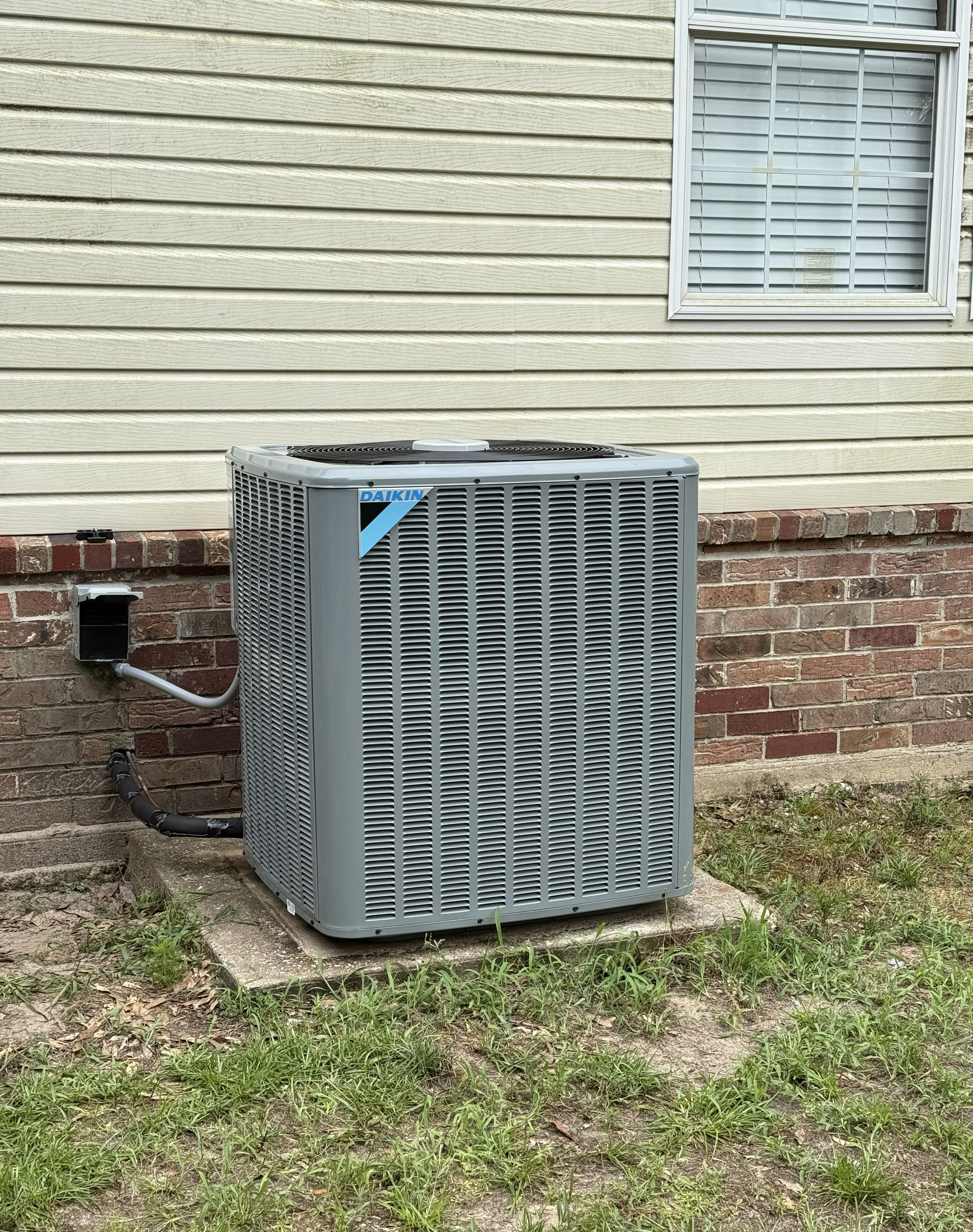
Why replacement matters in Spring, TX
Spring’s climate — prolonged heat, high humidity, and frequent summer thunderstorms — forces AC systems to run long cycles. Systems that are undersized, poorly maintained, or more than 10–15 years old often perform poorly in this environment, costing you comfort and higher utility bills. Replacing an aging or failing system restores reliable cooling, better humidity control, and can reduce stress on your home’s ductwork and electrical service.
Common signs it’s time to replace your AC
- System age over 10–15 years: Older units lose efficiency and use outdated refrigerants and components.
- Rising repair frequency and costs: Repeated compressor, coil, or refrigerant issues indicate declining reliability.
- Poor cooling performance: Uneven temperatures, longer run times, or inability to maintain set temperatures in hot weather.
- Rising energy bills with similar usage: Lower efficiency means higher electricity use during Spring’s long cooling season.
- Excessive humidity or indoor air quality issues: Older systems often struggle to dehumidify effectively.
- Noisy operation or visible corrosion/leaks: Structural wear and refrigerant leaks are signs a replacement will be more cost-effective than repair.
Replacement options and how to choose
Choosing the right replacement depends on your home layout, duct system, budget, and comfort priorities. Common options include:
- Full central AC system (air handler + outdoor condenser)
- Best for homes with existing duct systems in good condition.
- Offers whole-house cooling and balanced dehumidification.
- Available in a range of efficiency ratings for long-term energy savings.
- Heat pumps
- Provide both cooling and heating; increasingly efficient and reliable.
- Good choice if you want a single system for year-round comfort.
- Modern heat pumps perform well in most Texas winters and provide strong humidity control.
- Ductless mini-splits
- Ideal for additions, converted spaces, or homes without ducts.
- Allow zoning and precise temperature control room-by-room.
- Can be paired with existing systems for hybrid solutions.
- Partial replacements and retrofit options
- Replacing only the outdoor condensing unit can be viable if the indoor equipment is in good condition and compatible.
- Often a short-term cost-saving measure, but full system replacement yields the best efficiency and warranty protection long-term.
Key selection considerations: accurate sizing (load calculation), matching indoor and outdoor components, efficiency ratings (look for high SEER and ENERGY STAR models), warranty coverage, and compatibility with existing ductwork.
The diagnostic and planning process
A professional replacement begins with a thorough home assessment:
- Load calculation (Manual J) to determine the correct system size for your home and Spring’s climate.
- Duct inspection to check for leaks, insulation issues, or undersized runs that compromise performance.
- Electrical evaluation to confirm your service can support modern equipment and determine if panel upgrades are needed.
- System recommendations outlining options with efficiency, lifecycle, and comfort tradeoffs.
These steps ensure the new system delivers the expected efficiency and reliability in Spring’s summers.
Removal, disposal, and environmental compliance
Removing an old system involves more than taking out an old unit:
- Refrigerant recovery must be performed by certified technicians to comply with federal environmental regulations.
- Proper disposal or recycling of coils, compressors, and associated components follows local and state guidelines.
- Duct sealing and minor repairs are often addressed at this stage to maximize the performance of the new system.
Certified technicians will provide documentation of refrigerant recovery and disposal as required.
Installation process and timeline
A typical replacement project follows these phases:
- Consultation and selection (1–7 days): finalize system choice after load calculations.
- Permit and equipment ordering (1–21 days): permits may be required by local jurisdictions; equipment lead times vary by model.
- On-site installation (1–3 days for most single-family homes): removal of old equipment, installation of new outdoor and indoor units, ductwork adjustments, refrigerant charging, and electrical connections.
- Startup, balancing, and walkthrough (same day as installation): system is tested for proper airflow, refrigerant charge, thermostat programming, and homeowner orientation.
Timeline will vary based on permit processing, product availability, extent of ductwork repairs, and electrical upgrades if needed.
Energy savings and cost-benefit analysis
Upgrading to a modern, high-efficiency system delivers three main financial benefits:
- Lower monthly energy bills from improved SEER/efficiency and tighter system performance.
- Reduced repair costs because new equipment is under warranty and built with contemporary components.
- Improved resale value and marketability as HVAC condition is a key factor in home sales in the area.
Savings depend on the starting efficiency of your old unit, your home’s insulation and duct condition, thermostat settings, and local electricity rates. Choosing energy-efficient equipment, ensuring proper sizing, and addressing duct leaks are the most reliable ways to maximize return on investment over the system’s life.
Incentives and rebates in the Spring area
Spring homeowners may qualify for various incentives that reduce upfront costs:
- Federal tax credits and energy-efficiency incentives for qualifying high-efficiency systems (subject to current federal program rules).
- Local utility rebates and programs offered intermittently by energy providers and regional efficiency programs; availability can change, so checking with your local utility or energy efficiency office is recommended.
- Manufacturer incentives and extended warranties on qualifying models that further improve value.
Technicians can document equipment specifications and efficiency levels needed to support rebate or tax credit applications.
Long-term benefits and maintenance advice
A properly selected and installed replacement system brings:
- More consistent comfort and humidity control during Spring’s challenging summers.
- Improved indoor air quality with modern filtration and better airflow management.
- Peace of mind from updated refrigerants and compliance with current environmental and safety standards.
To protect performance and warranty: schedule regular professional maintenance, keep outdoor units clear of debris, change filters routinely, and monitor for unusual noises or increased energy use.
Maintenance Plan You Can Rely On
Basic Care
Perfect for newer systems or budget-conscious homeowners wanting essential protection.
$149/year

Annual comprehensive system inspection
Filter replacement (standard filters included)
15% discount on repairs
Priority scheduling within 48 hours
Premium Protection
Ideal for homes with systems 5+ years old or with moderate usage patterns.
$249/year

Bi-annual system inspections (spring & fall)
Filter replacement (premium filters included)
25% discount on all repairs
Priority scheduling within 24 hours
Free diagnostic fees ($89 value)
Elite Coverage
Best for older systems, luxury homes, or properties with critical climate control needs.
$349/year
Quarterly system inspections
All filters and minor parts included
30% discount on major repairs
Same-day emergency service
Extended 2-year warranty on repairs
Annual system efficiency optimization
Basic Care
Perfect for newer systems or budget-conscious homeowners wanting essential protection.
$149/year
Annual comprehensive system inspection
Filter replacement (standard filters included)
15% discount on repairs
Priority scheduling within 48 hours
Premium Protection
Ideal for homes with systems 5+ years old or with moderate usage patterns.
$249/year
Bi-annual system inspections (spring & fall)
Filter replacement (premium filters included)
25% discount on all repairs
Priority scheduling within 24 hours
Free diagnostic fees ($89 value)
Elite Coverage
Best for older systems, luxury homes, or properties with critical climate control needs.
$349/year
Quarterly system inspections
All filters and minor parts included
30% discount on major repairs
Same-day emergency service
Extended 2-year warranty on repairs
Annual system efficiency optimization
Hear What Our Satisfied Clients Have To Say