
AC Service in Spring, TX
Air conditioning service in Spring, TX to improve comfort, efficiency, and indoor air quality. Schedule your diagnostic visit today.
Scroll down to discover more

Air Conditioning Service in Spring, TX
A reliably performing air conditioning system is essential in Spring, TX where hot, humid summers and frequent pollen mean your home’s comfort and indoor air quality are constantly challenged. Professional Air Conditioning Service in Spring, TX from Stat Air Care Air Conditioning & Heating addresses those challenges before they become emergency repairs, lowers operating costs, and helps extend the life of your system. We address the issues homeowners face, what a comprehensive service visit includes, common repairs and solutions, and practical maintenance advice tailored to Spring area conditions.
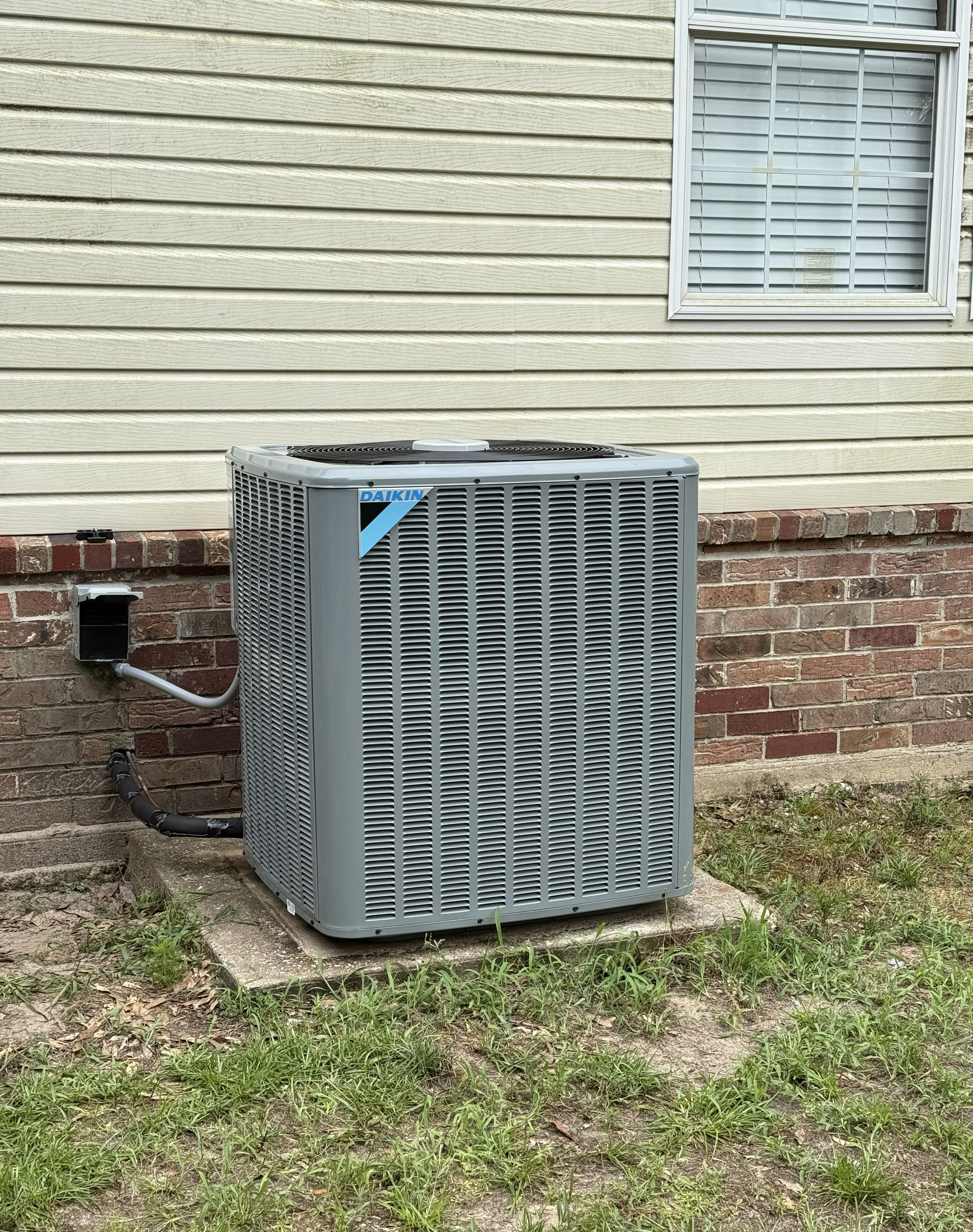
Common air conditioning issues in Spring, TX
Spring homes experience a set of recurring AC problems driven by heat, humidity, and seasonal allergens. Recognizing these early helps prioritize service.
- Inadequate cooling or slow recovery after peak heat — often caused by low refrigerant, dirty coils, restricted airflow, or failing compressors.
- Short cycling or frequent on/off cycles — commonly due to oversized equipment, thermostat faults, or electrical problems.
- High energy bills despite normal operation — usually from dirty filters/coils, failing motors, or refrigerant imbalance.
- Frozen evaporator coils or condensate drain clogs — high humidity and poor airflow contribute to freezing and water backups.
- Noisy operation or vibration — worn bearings, loose panels, or failing fan motors create noise and can indicate imminent failure.
- Corrosion and outdoor unit degradation — coastal-influenced humidity and seasonal storms accelerate wear on outdoor components.
- Poor indoor air quality and excess dust — pollen and high humidity require regular filtration and coil cleanings to maintain air quality.
What our Air Conditioning Service includes
A thorough AC service focuses on diagnosis, preventive care, and reliable minor repairs to restore performance and efficiency.
- System diagnostics: full electrical and operational inspection, thermostat verification, safety control checks, and refrigerant level evaluation.
- Routine service tasks: filter replacement or advise on filter grade, evaporator and condenser coil cleaning, condensate drain cleaning, blower wheel cleaning, and lubrication of moving parts where applicable.
- Performance testing: measuring temperature split, airflow, amperage draw on motors, and static pressures to confirm efficient operation.
- Minor repairs onsite: replacing capacitors, contactors, relays, fan motors, thermostats, minor refrigerant top-offs if compliant, and clearing drain lines.
- Documentation: written condition report explaining findings, recommended repairs or replacement options, and estimated life expectancy based on system age and wear.
- Warranty coverage: parts and labor warranty options are typically available and can be explained after diagnosis; manufacturer warranties usually remain in effect when original installation and maintenance records are up to date.
- Service plan options: seasonal tune-ups, priority scheduling, and discounted parts and labor for enrolled systems help prevent urgent breakdowns.
How a typical service visit works
A consistent, methodical approach ensures nothing is overlooked during a visit.
- Arrival and equipment identification: confirm system model, age, and service history.
- Visual inspection: check cabinet, coils, refrigerant lines, and drain line for obvious issues.
- Electrical and control testing: verify voltage, current draw, capacitors, contactors, and safety switches.
- Airflow and duct quick-check: measure supply and return flow and inspect for major obstructions.
- Refrigerant and performance check: assess refrigerant levels and temperature split to determine efficiency.
- Preventive maintenance tasks: clean or replace filters, clean coils, and clear condensate lines.
- Findings and recommendations: provide a plain-language report with repair options or replacement recommendations and note any warranty or service plan implications.
Typical repairs and when replacement is recommended
Many common failures are fixed quickly, but sometimes replacement is the best long-term investment.
- Common repairs: capacitor and contactor replacement, fan motor repair, thermostat replacement, condensate drain repairs, and minor refrigerant service. These often restore reliable service when systems are otherwise sound.
- When to consider replacement: systems older than 10 to 15 years with recurring major repairs, significant compressor failure, or poor efficiency compared to modern units. Replacement is often the most cost-effective choice when repair costs approach the value of a new system or when frequent downtime is affecting comfort.
Service plans and what they cover
Service plans are designed to reduce the chance of emergency breakdowns and to lower lifetime operating costs.
- Basic maintenance plan: seasonal inspection and standard tune-up to keep manufacturer warranties compliant.
- Comprehensive plan: biannual service, priority scheduling during peak season, discounted diagnostic fees, and parts discounts.
- Premium plan: includes parts and labor discounts, extended labor warranty for covered repairs, and automated reminders to stay on a maintenance schedule.
Enrollment typically requires periodic visits and documentation of service to protect warranty status and improve resale value.
Pricing and warranty guidance
Costs for air conditioning service vary depending on system type, accessibility, age, and the extent of repairs. Accurate pricing usually follows a diagnostic assessment so you receive a clear, itemized estimate instead of guesswork. Warranties come in many forms: manufacturer warranties on major components, parts warranties from suppliers, and labor warranties offered by service providers. Keep service records and maintenance receipts to preserve manufacturer coverage and to make the most of extended warranty options.
Why timely AC service matters in Spring, TX
Regular service reduces the likelihood of breakdowns during the hottest months, improves efficiency to lower energy bills, and maintains better indoor air quality in a region where pollen and humidity are persistent. Preventive care also preserves system lifespan and maintains performance when you need it most.
Quick maintenance tips for Spring, TX homes
- Replace or clean filters monthly during heavy-use seasons to maintain airflow and filtration.
- Keep the outdoor unit clear of debris, grass clippings, and plant growth to ensure proper airflow.
- Shade the outdoor unit when possible without restricting airflow to reduce heat stress.
- Check that supply registers and returns are not blocked by furniture or curtains.
- Ensure condensate drains are flowing to prevent water damage and mold growth in humid months.
- Track service dates and keep records to protect warranties and make informed replacement decisions.
Air Conditioning Service in Spring, TX protects comfort, lowers operating costs, and keeps indoor air healthier for your family. A professional diagnostic-first approach combined with routine preventive care is the most reliable way to avoid summertime interruptions and get the best value from your HVAC equipment.
Maintenance Plan You Can Rely On
Basic Care
Perfect for newer systems or budget-conscious homeowners wanting essential protection.
$149/year

Annual comprehensive system inspection
Filter replacement (standard filters included)
15% discount on repairs
Priority scheduling within 48 hours
Premium Protection
Ideal for homes with systems 5+ years old or with moderate usage patterns.
$249/year

Bi-annual system inspections (spring & fall)
Filter replacement (premium filters included)
25% discount on all repairs
Priority scheduling within 24 hours
Free diagnostic fees ($89 value)
Elite Coverage
Best for older systems, luxury homes, or properties with critical climate control needs.
$349/year
Quarterly system inspections
All filters and minor parts included
30% discount on major repairs
Same-day emergency service
Extended 2-year warranty on repairs
Annual system efficiency optimization
Basic Care
Perfect for newer systems or budget-conscious homeowners wanting essential protection.
$149/year
Annual comprehensive system inspection
Filter replacement (standard filters included)
15% discount on repairs
Priority scheduling within 48 hours
Premium Protection
Ideal for homes with systems 5+ years old or with moderate usage patterns.
$249/year
Bi-annual system inspections (spring & fall)
Filter replacement (premium filters included)
25% discount on all repairs
Priority scheduling within 24 hours
Free diagnostic fees ($89 value)
Elite Coverage
Best for older systems, luxury homes, or properties with critical climate control needs.
$349/year
Quarterly system inspections
All filters and minor parts included
30% discount on major repairs
Same-day emergency service
Extended 2-year warranty on repairs
Annual system efficiency optimization
Hear What Our Satisfied Clients Have To Say