
Heating Inspection in New Caney, TX
Heating inspections in New Caney, TX ensure safe, efficient operation with CO testing, detailed reports, and clear repair recommendations. Learn more.
Scroll down to discover more

A professional heating inspection in New Caney, TX by Stat Air Care Air Conditioning & Heating ensures your system runs safely, efficiently, and reliably when you need it. Even though winters in the Houston-area are mild compared with northern climates, cold snaps and high humidity make proper heating performance important for comfort, indoor air quality, and safety. A focused inspection uncovers hidden problems—combustion issues, carbon monoxide risk, inefficient components, or duct leaks—so homeowners and property managers can make informed repair or upgrade decisions before a problem becomes an emergency.
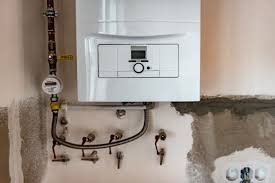
What a complete heating inspection covers
A thorough heating inspection in New Caney, TX includes both safety and performance checks, with documentation you can use for maintenance records or real estate transactions. Core elements include:
- Visual inspection of the heating unit, thermostat, filters, vents, and accessible ductwork
- Safety checks: electrical connections, heat exchanger condition, flame behavior, venting and chimney integrity
- Combustion and carbon monoxide testing using industry-standard meters to verify safe combustion and rule out CO leaks
- Efficiency and performance measurements: airflow, temperature rise across the heat exchanger, and system cycling behavior
- Diagnostic reporting with prioritized recommendations for repairs, maintenance, or upgrades
- Pre-season and pre-sale inspection options with detailed documentation for homeowners and property managers
Common heating problems in New Caney homes
Homes in the New Caney area experience a few patterns that make regular inspections especially valuable:
- Dirty filters and restricted airflow from pollen, dust, and high humidity that reduce efficiency and strain components
- Corrosion or flue problems caused by moisture and occasional heavy rains that affect venting and combustion safety
- Aging heat exchangers or cracked components in older gas furnaces that can lead to safety hazards and CO risk
- Inadequate thermostat calibration or poor zoning that causes uneven heating and higher energy use
- Duct leaks or poorly sealed returns common in older or retrofit duct systems, causing loss of conditioned air and higher operating costs
The inspection process — what you can expect
Inspections are structured to be comprehensive but clear. Typical steps include:
- Initial walkthrough to document equipment type, age, and any visible issues.
- Filter and access panel removal for internal visual checks of the blower, burner assembly, and heat exchanger.
- System startup and observation of ignition sequence, flame pattern, and startup/shutdown cycles.
- Combustion testing and carbon monoxide measurement at the appliance and in living spaces to confirm safe operation.
- Airflow and temperature checks including supply and return temperature differentials to identify airflow restrictions.
- Electrical and safety control checks: verifying proper wiring, control voltages, and safety device operation.
- Inspection of venting, flue piping, and exterior terminations for proper installation and corrosion.
- Written diagnostic report summarizing findings, safety concerns, recommended repairs or upgrades, and estimated priority.
Typical repairs and recommended upgrades
Based on inspection findings, recommended actions often include:
- Filter replacement and routine maintenance to restore airflow and prevent system stress.
- Heat exchanger repair or replacement when cracks or excessive corrosion are detected to eliminate safety risks.
- Flue or vent repair and correction to maintain proper combustion gas removal and reduce CO risk.
- Blower motor servicing or replacement to restore airflow and improve cycle efficiency.
- Duct sealing and insulation to reduce energy loss and balance airflow for consistent comfort.
- Thermostat replacement or recalibration, including smart or programmable thermostats for better control and efficiency.
- Upgrading older furnaces to higher-efficiency models where repair costs and age reduce overall value.
Each recommendation in your inspection report is prioritized so you can address immediate safety issues first, then efficiency and comfort improvements next.
Why timely inspections matter in New Caney
- Safety: Carbon monoxide testing and heat exchanger inspections protect occupants from invisible hazards.
- Lower operating cost: Detecting airflow issues, failing motors, and inefficient components reduces wasted energy during both heating and cooling seasons.
- Extended equipment life: Regular diagnostics and preventive maintenance reduce wear and delay costly replacements.
- Smooth real estate transactions: Pre-sale inspections with documented findings provide transparency for sellers, buyers, and property managers in Montgomery County.
- Local resilience: Inspections before seasonal temperature shifts or before anticipated cold snaps reduce the chance of system failure when technicians are in high demand.
Maintenance tips for New Caney homeowners
- Replace filters at recommended intervals, and check them monthly during heavy-use periods.
- Keep outdoor units and vents clear of debris, vegetation, and nesting materials that can obstruct airflow or venting.
- Schedule inspections before the heating season and after severe weather events that may affect venting or outdoor equipment.
- Seal gaps around duct registers and insulating accessible ducts in unconditioned spaces to reduce energy loss.
- Consider a zone control or smart thermostat if you notice consistent temperature differences between rooms.
Q: How often should I schedule a heating inspection in New Caney, TX?
A: Schedule a professional heating inspection at least once a year, ideally before the heating season. If your system is older, you’ve experienced performance issues, or you’re preparing a property for sale, a pre-season or pre-sale inspection is recommended.
Q: Will a heating inspection detect carbon monoxide leaks?
A: Yes. A complete inspection includes combustion analysis and carbon monoxide testing at the appliance and in living spaces to identify unsafe CO levels and sources.
Q: What documentation will I receive after the inspection?
A: Expect a written diagnostic report that lists inspection findings, safety concerns, measured values (like temperature rise and CO readings), and prioritized repair or upgrade recommendations suitable for homeowners or property managers.
Q: My New Caney home uses a heat pump instead of a furnace. Is the inspection different?
A: The inspection focuses on the heat source in use. For heat pumps, an inspector will evaluate refrigerant levels, reversing valve operation, defrost cycles, and electrical components in addition to airflow and safety checks.
Q: Are duct leaks a common outcome of an inspection and how are they fixed?
A: Yes, duct leaks are common in older or modified systems. Repairs range from sealing gaps and reconnecting ducts to adding insulation or replacing damaged duct sections for improved efficiency and comfort.
Maintenance Plan You Can Rely On
Basic Care
Perfect for newer systems or budget-conscious homeowners wanting essential protection.
$149/year

Annual comprehensive system inspection
Filter replacement (standard filters included)
15% discount on repairs
Priority scheduling within 48 hours
Premium Protection
Ideal for homes with systems 5+ years old or with moderate usage patterns.
$249/year

Bi-annual system inspections (spring & fall)
Filter replacement (premium filters included)
25% discount on all repairs
Priority scheduling within 24 hours
Free diagnostic fees ($89 value)
Elite Coverage
Best for older systems, luxury homes, or properties with critical climate control needs.
$349/year
Quarterly system inspections
All filters and minor parts included
30% discount on major repairs
Same-day emergency service
Extended 2-year warranty on repairs
Annual system efficiency optimization
Basic Care
Perfect for newer systems or budget-conscious homeowners wanting essential protection.
$149/year
Annual comprehensive system inspection
Filter replacement (standard filters included)
15% discount on repairs
Priority scheduling within 48 hours
Premium Protection
Ideal for homes with systems 5+ years old or with moderate usage patterns.
$249/year
Bi-annual system inspections (spring & fall)
Filter replacement (premium filters included)
25% discount on all repairs
Priority scheduling within 24 hours
Free diagnostic fees ($89 value)
Elite Coverage
Best for older systems, luxury homes, or properties with critical climate control needs.
$349/year
Quarterly system inspections
All filters and minor parts included
30% discount on major repairs
Same-day emergency service
Extended 2-year warranty on repairs
Annual system efficiency optimization
Hear What Our Satisfied Clients Have To Say