
Heating Replacement in New Caney, TX
Heating replacement in New Caney, TX: learn when to replace vs repair, explore energy savings, warranties, and the installation process.
Scroll down to discover more

Replacing the heating system in your New Caney, TX home with Stat Air Care Air Conditioning & Heating is one of the most impactful investments you can make for comfort, safety, and long-term energy savings. Even though winters in this part of East Harris County are generally milder than northern climates, cold snaps, high humidity, and rising energy costs mean an inefficient or failing system can create uncomfortable indoor conditions and higher utility bills.
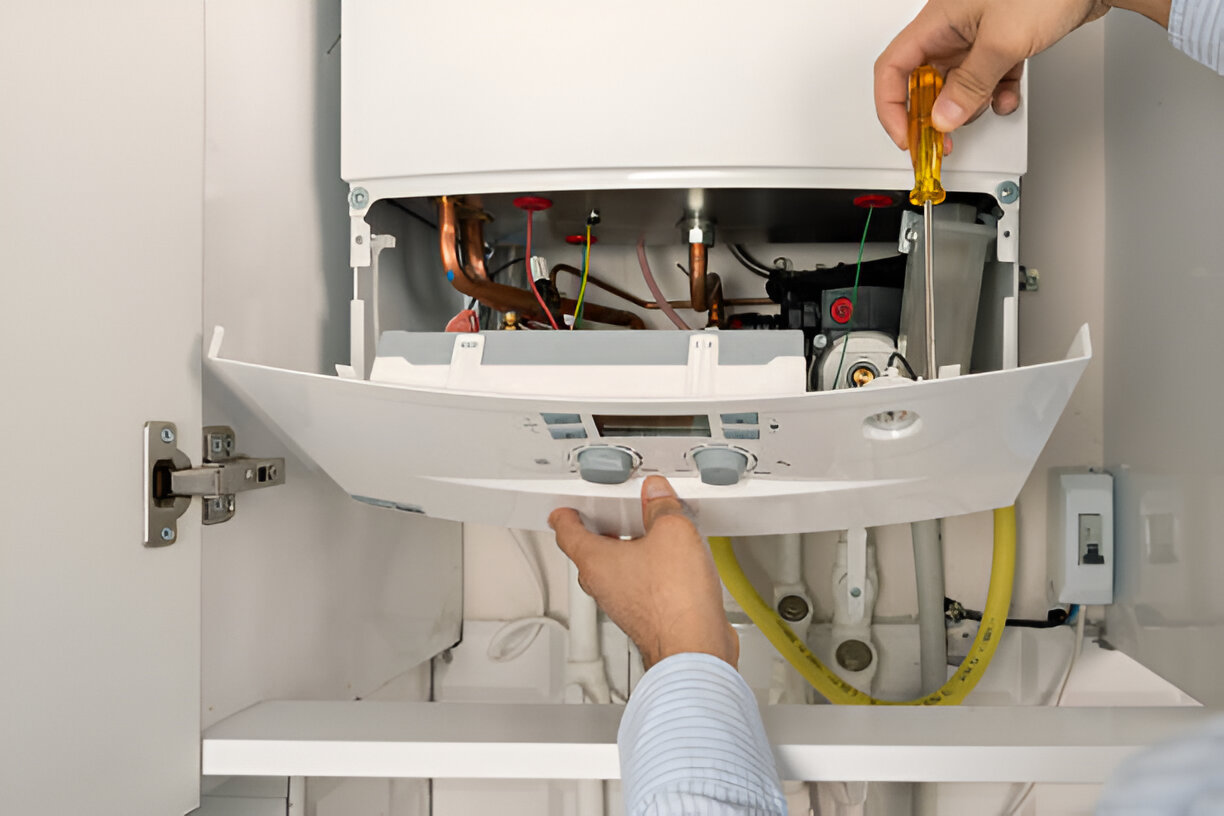
When to Replace vs Repair
Deciding whether to repair or replace hinges on age, performance, safety, and future costs.
Common signs replacement is appropriate:
- System age over 15 years and recurring breakdowns.
- Frequent repairs that approach or exceed the system’s reasonable lifespan.
- Noticeable decline in indoor comfort, uneven heating, or large temperature swings.
- Safety concerns such as cracked heat exchanger or repeated carbon monoxide sensor trips.
- System efficiency is low compared to modern units (higher fuel usage and rising bills).
- Duct problems, refrigerant obsolescence, or a need to convert fuel types.
If your system is relatively new, repairs may be cost-effective. If you are losing comfort, seeing escalating repair bills, or want better efficiency and indoor air quality, replacement typically gives better long-term value.
Common Heating Replacement Options for New Caney Homes
Selecting the right replacement depends on fuel availability, home size, insulation, existing ductwork, and how you use heating and cooling in Houston-area climates.
- High-efficiency gas furnaces (condensing furnaces)
- Pros: High AFUE ratings, dependable during colder periods, good for homes with existing gas lines.
- Cons: Requires proper condensate drainage and adequate venting.
- Heat pumps (air-source and cold-climate variants)
- Pros: Provide both heating and cooling with high year-round efficiency, excellent option in milder New Caney winters.
- Cons: Performance can decline during extreme cold; pairing with supplemental heat may be needed for cold snaps.
- Dual fuel systems
- Pros: Combine heat pump efficiency with gas backup for peak cold, optimizing fuel use across seasons.
- Cons: More complex controls and higher upfront cost.
- Ductless mini-split heat pumps
- Pros: Ideal for additions, room-by-room control, or homes with poor ductwork. High efficiency and zoning.
- Cons: Higher equipment cost per zone; aesthetic considerations for indoor units.
- Variable-speed blowers and modulating burners
- Pros: Improved comfort, quieter operation, and better humidity control — especially helpful in humid East Texas.
- Cons: Higher initial cost, but better long-term comfort and efficiency.
Evaluation and Diagnostic Process
A professional replacement begins with a thorough on-site evaluation tailored to New Caney homes.
Key diagnostic steps:
- Load calculation (Manual J) to size the correct system for your home’s insulation, windows, and orientation.
- Duct inspection for leaks, insulation gaps, and sizing issues that reduce system performance.
- Combustion and safety checks for gas systems, including heat exchanger inspection and flue integrity.
- Electrical and panel review to ensure adequate circuits and safe connections.
- Assessment of ventilation, indoor air quality needs, and thermostat compatibility.
- Review of existing refrigerant lines and whether relocation or upgrades are required.
This evaluation identifies whether the issue is the equipment, ductwork, controls, or a combination.
Installation Workflow and Old Equipment Removal
A clear, step-by-step installation process reduces surprises and ensures reliable performance.
Typical installation workflow:
- Pre-install planning and permitting based on local code.
- Site preparation, including access to the unit location and protection of floors and landscaping.
- Safe disconnect and removal of the old system with documented disposal compliant with Texas regulations.
- Duct and ventilation corrections if needed (sealing, insulation, repairs).
- Installation of new equipment, including secure mounting, venting, refrigerant charging if applicable, and gas or electrical connections.
- System startup, balancing, airflow measurements, and safety testing.
- Thermostat setup, brief homeowner orientation on system operation and maintenance needs.
- Final paperwork, warranty registration, and documentation of performance readings.
Removal and disposal: Old furnaces and heat pumps are drained of refrigerant by certified technicians, disposed of according to environmental regulations, and, when necessary, recycled. Proper disposal is essential to avoid fines and environmental harm.
Expected Energy Savings and Performance
Upgrading to a modern system yields measurable comfort and efficiency improvements.
What to expect:
- Replacing an older 60-80% AFUE furnace with a high-efficiency condensing furnace or a heat pump can reduce fuel use substantially. Actual savings vary with usage patterns, fuel prices, and thermostat settings.
- Heat pumps provide higher seasonal efficiency by moving heat instead of generating it, making them especially effective in New Caney’s moderate winter climate.
- Adding variable-speed blower motors and proper duct sealing improves comfort and can reduce run times and energy waste.
- Proper sizing and correct installation are critical; an oversized or improperly installed system will underperform and reduce potential savings.
Savings estimates depend on current system condition, insulation, and household behavior. Homes that pair replacement with duct sealing, programmable thermostats, and regular maintenance will see the best outcomes.
Warranty and Guarantee Details
Replacement projects typically involve two types of protection: manufacturer warranties and labor guarantees.
- Manufacturer warranties: Cover equipment defects and vary by component. Common durations include multi-year coverage on compressors and heat exchangers, with longer coverage available for registered products.
- Labor guarantees: Installers often provide a workmanship warranty for a set period after installation. This covers issues due to installation errors or system setup.
- Service agreements and maintenance plans: Regular maintenance preserves warranty validity and maximizes efficiency. Annual tune-ups are commonly recommended.
Always register manufacturer warranties and keep installation records. Verify what actions might void warranties, such as using non-approved parts or skipping required maintenance.
Maintenance Advice and Long-Term Value
To protect your new investment and extend equipment life:
- Change filters regularly and maintain good airflow.
- Schedule annual professional tune-ups before the heating season.
- Seal and insulate ducts and attic penetrations to reduce heat loss.
- Use programmable or smart thermostats to lower run-time during absences.
- Monitor for unusual noises, odors, or operational changes and address them promptly.
Replacement delivers improved comfort, lower operating costs, better indoor air quality, and increased home value when chosen and installed correctly for New Caney homes.
Q: How long does a typical heating replacement take?
A: Most full replacements are completed in one to two days depending on system complexity, ductwork repairs, and permitting.
Q: Will a new system lower my energy bills in New Caney?
A: Yes, a properly sized and installed high-efficiency system combined with duct sealing and proper controls can reduce energy consumption, though exact savings vary with system type, climate, and household habits.
Q: Do I need a permit for heating replacement in New Caney, TX?
A: Permitting requirements depend on local code and the scope of work. Replacing like-for-like equipment may need fewer permits than system changes that affect ducts, venting, or electrical systems.
Q: Can I switch from a furnace to a heat pump?
A: Many homes can switch, especially where electric service and space for outdoor units are available. An evaluation will confirm compatibility and performance expectations for New Caney winters.
Q: What warranties should I expect?
A: Expect manufacturer component warranties and a contractor workmanship guarantee. Confirm durations and what maintenance is required to keep warranties valid.
Maintenance Plan You Can Rely On
Basic Care
Perfect for newer systems or budget-conscious homeowners wanting essential protection.
$149/year

Annual comprehensive system inspection
Filter replacement (standard filters included)
15% discount on repairs
Priority scheduling within 48 hours
Premium Protection
Ideal for homes with systems 5+ years old or with moderate usage patterns.
$249/year

Bi-annual system inspections (spring & fall)
Filter replacement (premium filters included)
25% discount on all repairs
Priority scheduling within 24 hours
Free diagnostic fees ($89 value)
Elite Coverage
Best for older systems, luxury homes, or properties with critical climate control needs.
$349/year
Quarterly system inspections
All filters and minor parts included
30% discount on major repairs
Same-day emergency service
Extended 2-year warranty on repairs
Annual system efficiency optimization
Basic Care
Perfect for newer systems or budget-conscious homeowners wanting essential protection.
$149/year
Annual comprehensive system inspection
Filter replacement (standard filters included)
15% discount on repairs
Priority scheduling within 48 hours
Premium Protection
Ideal for homes with systems 5+ years old or with moderate usage patterns.
$249/year
Bi-annual system inspections (spring & fall)
Filter replacement (premium filters included)
25% discount on all repairs
Priority scheduling within 24 hours
Free diagnostic fees ($89 value)
Elite Coverage
Best for older systems, luxury homes, or properties with critical climate control needs.
$349/year
Quarterly system inspections
All filters and minor parts included
30% discount on major repairs
Same-day emergency service
Extended 2-year warranty on repairs
Annual system efficiency optimization
Hear What Our Satisfied Clients Have To Say